




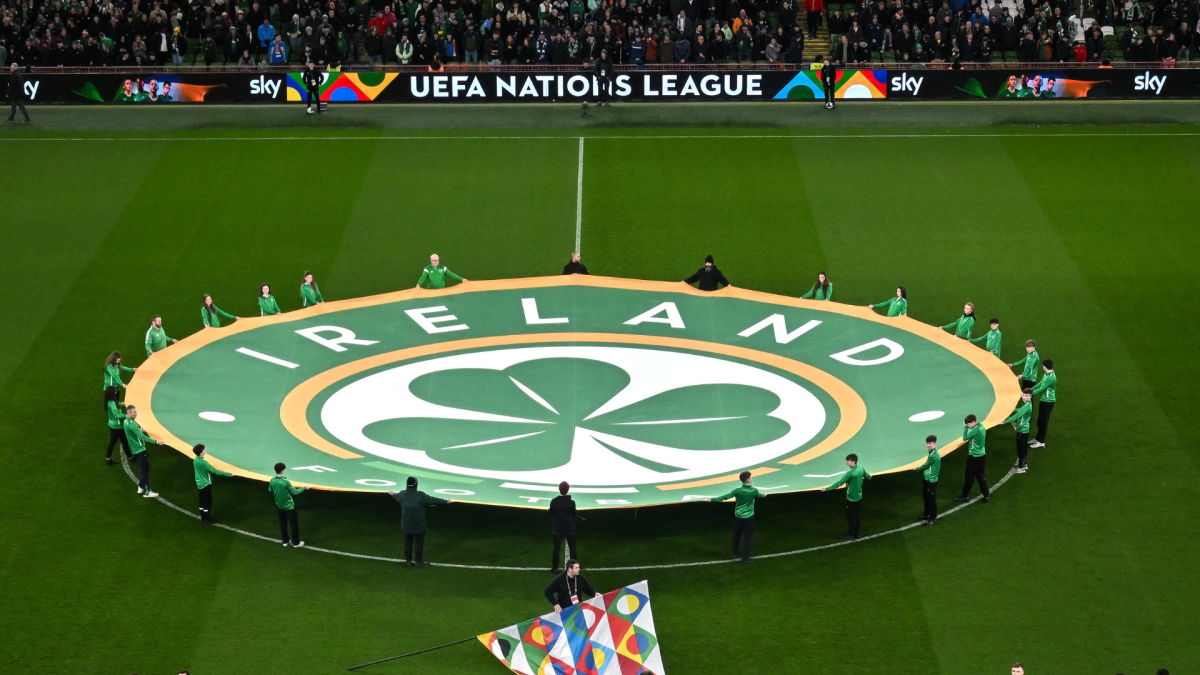
The Republic of Ireland’s national football team has decided not to boycott its UEFA Nations League match against Israel, which is scheduled to take place on Sunday in Debrecen, Hungary. This decision was finalized following a vote taken by the players after a tense morning of discussions regarding participation in the game.
What Happened on Saturday?
On Saturday, the planned press conference and training session for Ireland’s squad were delayed, causing uncertainty about the match’s status. Reports indicated that goalkeeper Gavin Bazunu expressed a desire not to participate, which sparked internal discussions regarding a potential boycott. Following the press conference, Football Association of Ireland (FAI) CEO David Courell announced that a significant majority of the players opted to proceed with the match despite Bazunu’s withdrawal from the roster.
The backdrop to this decision has been politically charged, with Hallgrímsson previously criticizing Israel’s actions in Gaza. He noted that many players were uncomfortable with the match, highlighting a moral dilemma surrounding participation. The Israeli Football Association responded to these statements by strongly criticizing the Irish coach, emphasizing the contributions of Israel to global society.
Political Pressures and Context
The decision not to boycott came amid growing political pressure on Ireland, with over 160 Irish sports figures signing a letter urging the FAI to reconsider its stance. This letter, issued by the Irish Sport for Palestine Group, called for the game to be canceled, arguing that participating would contradict ethical stances regarding the situation in the Middle East.
Despite the dissenting voices, both matches will be played at neutral venues, marking a unique circumstance for the sporting events. The Irish public broadcaster has also decided to limit its coverage of the games, opting out of studio presentations and commercial benefits.
Why It Matters
This event highlights the intersection of sports and political activism, revealing how athletes and organizations navigate complex social issues. The decision to play against Israel, despite opposition, may spark further discussions about the role of sports in political expression and the responsibilities of athletes when faced with global humanitarian crises.
