




The European Commission has proposed the establishment of a European Security Council (ESC) aimed at enhancing cooperation among EU leaders and key allies, including the UK, Norway, Ukraine, and Canada. This initiative, put forward by European Commission President Ursula von der Leyen in September, seeks to improve coordination in addressing security threats facing Europe.
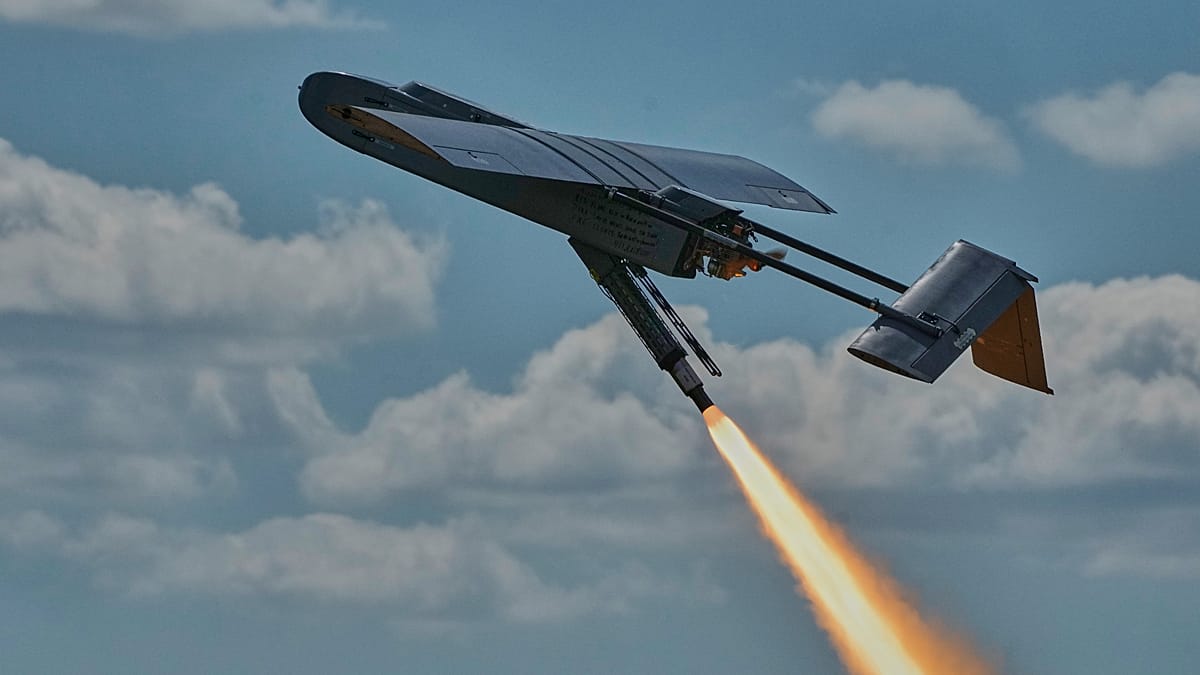
As Europe grapples with an increasing array of security challenges that do not conform to traditional military conflicts—such as cyberattacks, sabotage, drone incursions, and threats to critical infrastructure—a more collaborative approach is deemed necessary. Recently, two commercial vessels were attacked by drones in Bulgaria’s Black Sea economic zone, leading to one ship sinking and a crew member reported missing, highlighting the urgent need for a coordinated response to such incidents.
The proposed ESC is designed to serve as a regular forum for European leaders to discuss emerging threats, formulate a unified response, and coordinate actions among EU member states and their allies. It would operate alongside an Emergency Security Protocol, which aims to swiftly bring together member states when a serious hybrid threat arises. The broader strategy also includes enhanced collaboration on key areas such as cybersecurity, air defense, space systems, and other shared security capabilities.
Despite its potential benefits, some officials and nations have expressed concerns that the ESC could overlap with existing structures within NATO. The European Commission contends that the ESC is intended to complement NATO operations, which will continue to be responsible for collective military defense.
To gauge public opinion on the effectiveness of the proposed ESC in strengthening European defense, a poll has been launched. This anonymous survey takes only seconds to complete and will contribute insights for future reporting on Europe’s approach to security in the era of artificial intelligence.
