




Haiti Faces Eighth Year of Economic Contraction Amidst Geopolitical Tensions
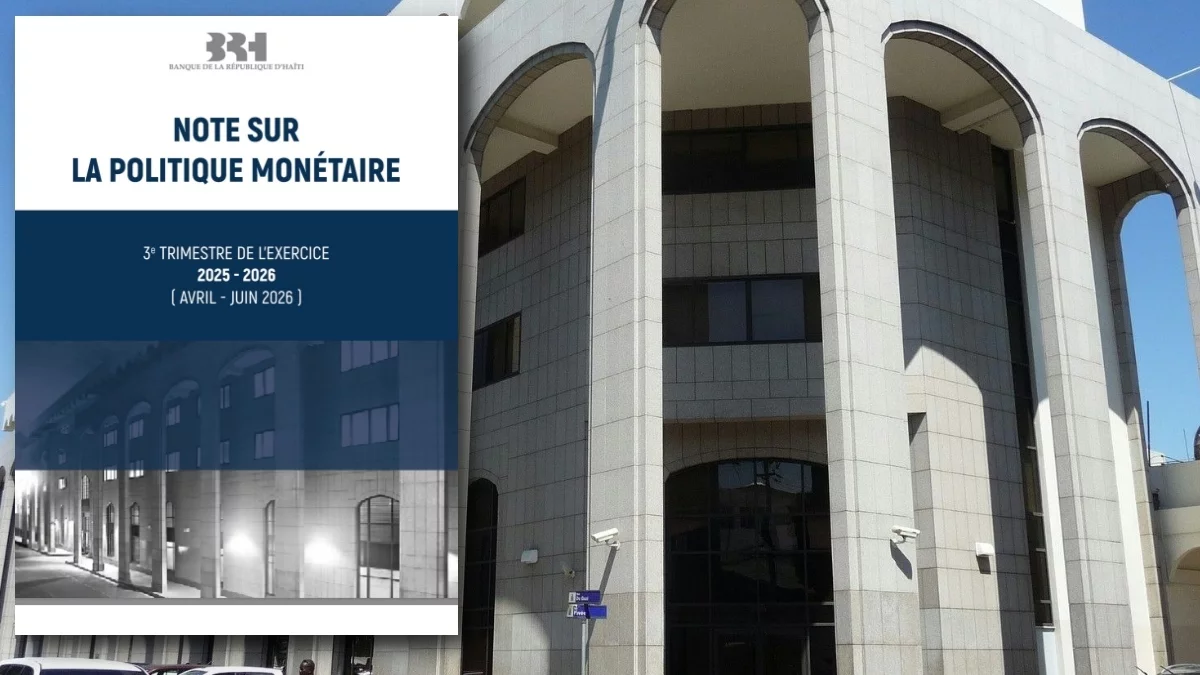
Haiti is on track to experience its eighth consecutive year of GDP contraction, as indicated by recent data for the third quarter of fiscal year 2025-2026. The economic climate is influenced by a variety of factors, including ongoing geopolitical tensions, trade frictions, and fluctuating energy prices.
During the April to June 2026 period, there was a slight easing in economic activity. While annual inflation rose to 18.9% in June, after reaching 21% in April, the exchange rate remained relatively stable. The Bank of the Republic of Haiti (BRH) has maintained a cautious monetary policy to mitigate inflationary pressures and stabilize the foreign exchange market.
Despite the challenging environment, the reduction in economic activity has been limited to 0.6%, an improvement from a decline of 2.7% during the same timeframe the previous fiscal year. The BRH emphasized the importance of liquidity management, maintaining stable foreign exchange rates, and bolstering international reserves, which currently cover more than seven months’ worth of imports.
The macroeconomic outlook remains uncertain through the remainder of the current fiscal year and into the next, with potential risks stemming from ongoing insecurity, adverse developments in the international geopolitical landscape, weather variability, and public finance constraints. Such factors could negatively impact overall economic activity, the supply of goods and services, and price structures within Haiti.
Nationally, persistent insecurity continues to hinder recovery efforts, disrupting supply chains and limiting mobility for both people and goods. The establishment of a more robust security apparatus is viewed as essential for enhancing the business environment and restoring economic confidence. Without significant improvements in security conditions, growth projections for 2026 remain bleak, predicting a GDP contraction between -1.9% and -1.5%.
Geopolitical issues, particularly those arising from ongoing conflicts in the Middle East, present additional challenges by potentially affecting the supply of critical inputs and increasing international commodity prices. Moreover, tightening migration policies in key host nations pose risks to the Haitian economy, particularly concerning private remittances that are crucial for foreign exchange stability. A decline in these remittance flows could place further strain on the foreign exchange market and international reserves.
Why It Matters
The economic situation in Haiti operates within a complex interplay of local and international factors that complicate recovery efforts. With ongoing insecurity and global geopolitical tensions, the ability to stimulate growth and achieve economic stability remains a significant challenge for the country. Understanding these dynamics is essential for policymakers and international stakeholders working to support Haiti’s economic recovery.
