




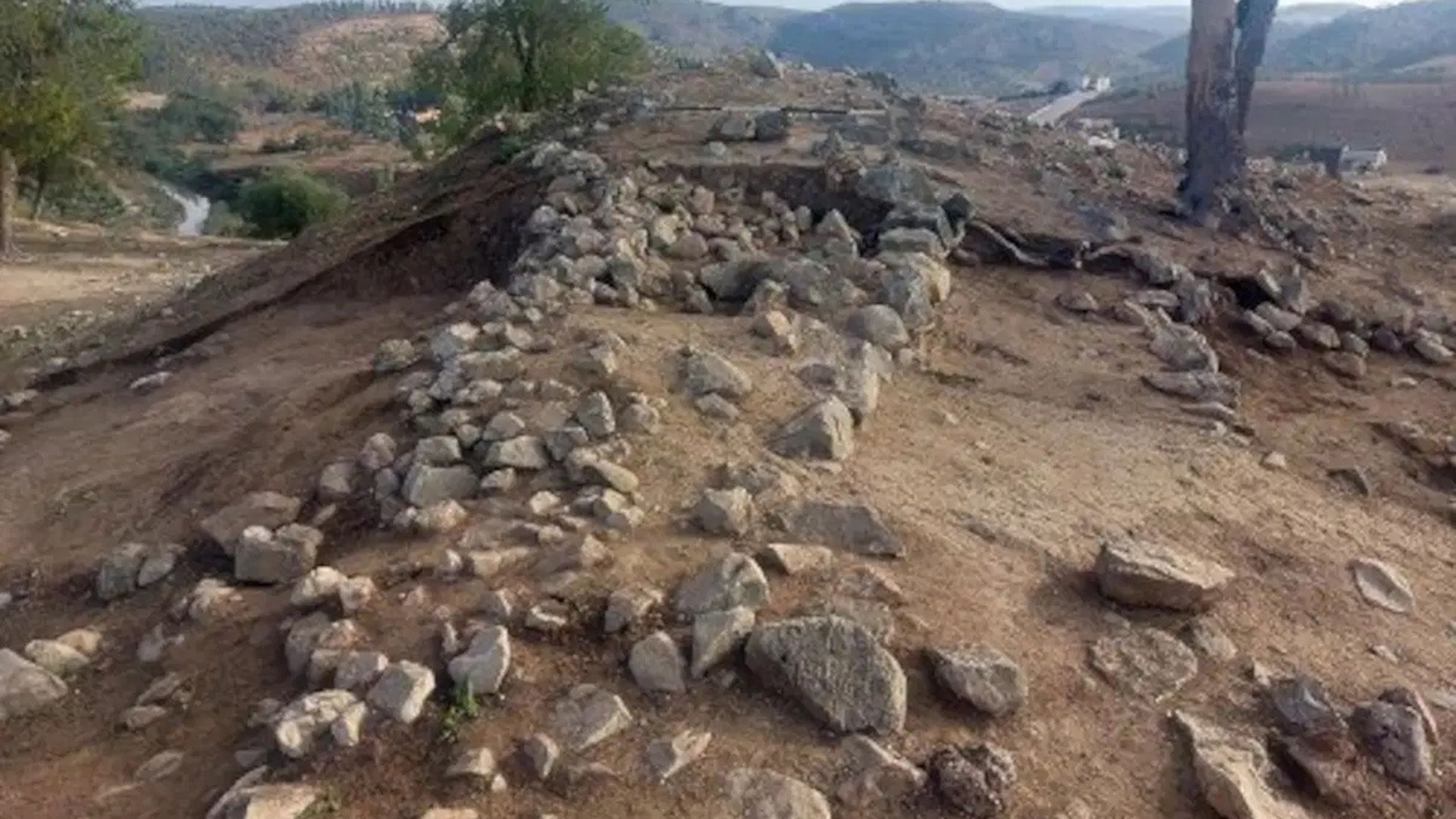
Archaeologists have made a significant discovery in Morocco, revealing defensive walls dating back approximately 4,000 years, identified as the oldest known structures of their kind in North Africa outside the Nile Valley. This finding is being hailed as a pivotal insight into the region’s history, particularly regarding the evolution of agriculture and community organization in the area known as the Maghreb.
Details of the Discovery
The archaeological work was conducted at the Oued Beht site, located about 50 miles east of Rabat. The discovery includes a robust defensive system of walls and ditches constructed primarily from clay, ash, silt, and stones. Archaeologists suggest the walls were built to protect a settlement characterized by its agricultural practices, including livestock, cultivated crops, and large grain storage facilities. The findings also include numerous bell-shaped pits, thought to have been used for grain storage, indicating the site served a larger community beyond its immediate inhabitants.
Giulio Lucarini, an archaeologist with Italy’s National Research Council and lead author of the study published on September 7 in Libyan Studies, emphasized that such large-scale constructions required careful planning and significant coordination among the community members. He noted that “a work like this is not improvised” and reflects broader social dynamics, hinting at the presence of organized leadership and competition for resources.
The defensive features at Oued Beht suggest that the settlement was of considerable importance, although the exact nature of threats it faced remains uncertain. Lucarini remarked that the walls may not solely represent a defense against invaders but could signify competition for land and resources. This interpretation aligns with a growing understanding of community organization in early North Africa as being more complex than previously assumed.
The analysis of the Oued Beht site provides insights into the historical interactions between North Africa and Europe. The findings support the notion of a sophisticated social structure capable of significant collective endeavors during a period of change across the Mediterranean region. While archaeological evidence in Iberia includes large, fortified settlements with advanced architecture, the scale and nature of the Oued Beht defenses illustrate a different approach tailored to local socio-environmental conditions.
Ongoing research continues to reshape understandings of prehistory in the Maghreb. Experts, including those not directly involved in the study, emphasize the importance of these discoveries in reconsidering the historical narratives that have long overlooked the capacity for significant architectural and social developments in this region.
Why It Matters
The discovery of the Oued Beht defensive wall is crucial in shedding light on the complexities of early North African societies. It challenges existing perceptions of cultural diffusion and architectural significance in the region, highlighting the sophisticated capabilities of local communities during a formative period. This research not only enhances historical knowledge of the Maghreb but also invites a reevaluation of its connections and interactions with Mediterranean civilizations.
