




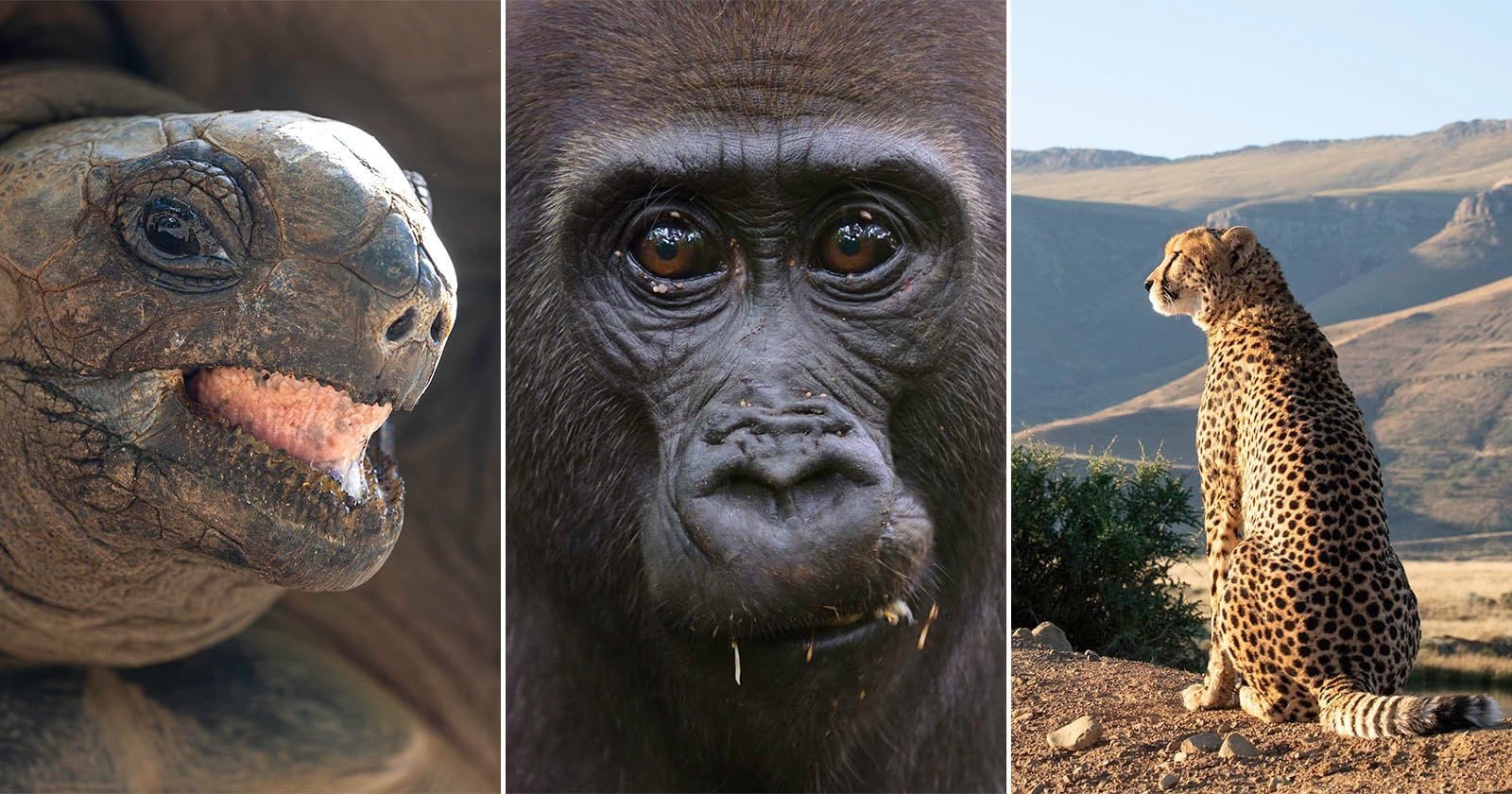
National Geographic has launched a new documentary series titled Africa: Earth’s Wild Home, which promises an immersive exploration of the continent’s diverse wildlife and ecosystems. This seven-part series, which premiered on October 2, is touted as one of the network’s most ambitious projects to date, featuring advanced filming techniques across 33 countries and requiring 300 days of on-location shooting.
A Groundbreaking Production
The series showcases a significant variety of filming technology, incorporating everything from remote-controlled cameras to military-grade night-vision equipment. Showrunner Gavin Boyland highlighted the complexity of coordinating multiple cinematographers across various geographical locations while ensuring visual coherence. “We aimed to capture the essence of the wildlife experience, using the best technology possible to tell these stories,” he noted.
Boyland emphasized the creative filming approaches taken to narrate the behaviors of different species. This involved selecting specific types of cameras and lenses to capture unique moments, such as the world’s first footage of dwarf crocodiles hunting bats within a cave and intimate close-ups of lesser-known creatures like the black rain frog and the meat-eating tortoise.
In order to portray the animals’ habits authentically, the production team adopted a filming style that keeps humans largely out of view, allowing the audience to feel as if they are part of the animal’s world. Boyland stated, “Our visual style intentionally immerses viewers into the habitat of the animals, emphasizing their experiences over the human element.”
One compelling narrative arc highlights the struggles of sea turtles navigating rocky beaches to reach the ocean. Boyland explained that while capturing two potential outcomes for the turtles—one where they successfully swim away and another where they need human assistance—proved both challenging and rewarding.
Each episode in this groundbreaking series introduces six world-firsts in wildlife observation, including species such as a tiny beetle that utilizes desert mists to gather water and golden wolves hunting pelicans. Boyland expressed his excitement about showcasing lesser-known animal behaviors, which often remain unexplored in wildlife documentaries.
Africa: Earth’s Wild Home not only aims to entertain but also seeks to inspire viewers about conservation efforts. The documentary illustrates the ongoing grassroots movements throughout Africa working to improve conservation strategies, shifting focus toward local community involvement.
The series is expected to resonate with audiences, offering a detailed and compassionate view of both wildlife and conservation, along with stunning cinematography reflective of Africa’s diverse ecosystems.
Why It Matters
This documentary is significant as it highlights the pressing need for wildlife conservation and presents innovative storytelling methods in wildlife documentaries. By using cutting-edge technology and storytelling that prioritizes animal perspectives, Africa: Earth’s Wild Home seeks not only to inform viewers but also to foster a deeper connection with the natural world and its inhabitants.
