




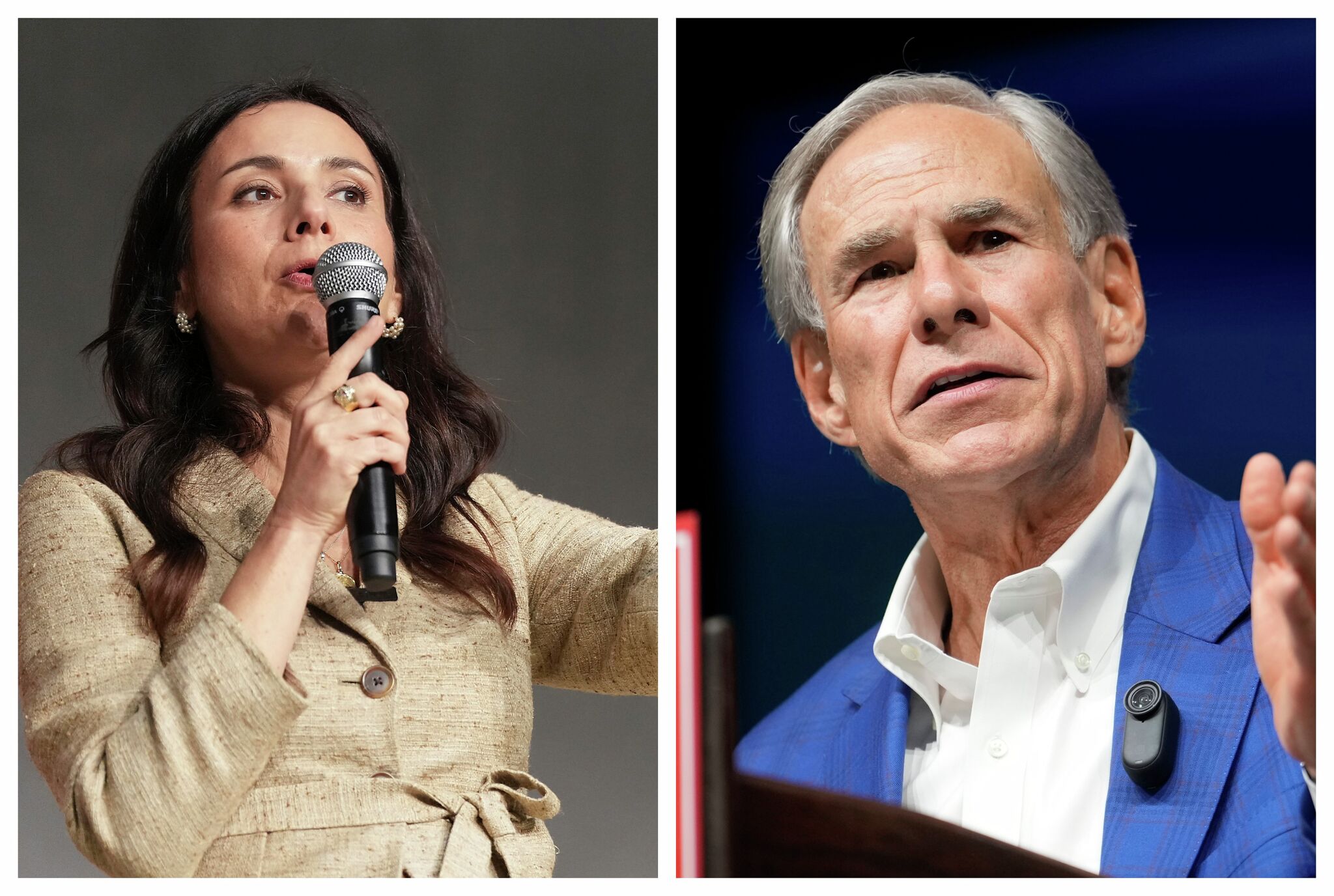
Texas Governor Greg Abbott is amplifying discussions about income taxes as he targets his Democratic opponent, Gina Hinojosa. Abbott claims that a vote Hinojosa cast in 2019 is evidence of her support for implementing a state income tax, a stance she firmly denies.
For several weeks, Abbott’s campaign has utilized press releases, fundraising emails, and digital advertisements to assert that Hinojosa’s vote demonstrates her danger to the state. He portrays her as someone who is not opposed to income taxes, suggesting that her actions in the legislature say otherwise.
In response, Hinojosa has released a digital advertisement stating unequivocally, “I oppose one,” directly addressing the camera with bold lettering emphasizing her position. This public declaration marks a significant part of her campaign against Abbott’s narrative.
The vote in question, House Joint Resolution 38, aimed to make it more challenging to implement an income tax. Most Democrats, including Hinojosa, opposed the measure, which was criticized by several influential public school advocacy groups. The resolution sought to amend the Texas Constitution to require a two-thirds majority in the Legislature for any income tax proposal, adding a step mandating voter approval for the measure.
Texas has had a constitutional provision since 1993 that necessitates both legislative approval and a public vote for any new income tax. Proposed by former Lieutenant Governor Bob Bullock, this provision stipulated that two-thirds of any income tax revenue would be directed toward reducing school property taxes, with the remaining third allocated to education.
In 2019, Republican state Representative Jeff Leach introduced HJR 38, which eliminated the Bullock provision and aimed to further limit the possibility of an income tax. This proposal drew swift criticism from teacher organizations, which argued that it dismantled assurances that potential income tax revenues would benefit public education.
At that time, Leach argued that the changes were necessary to ensure that passing an income tax would require considerable legislative support and citizen engagement. He stated, “So in order for there, in the future, to be an income tax, we would have to amend the constitution again and that would take, of course, two-thirds of both chambers, the governor’s signature, and then the approval of the people in Texas.”
