




Current chikungunya surveillance systems in East Africa are largely reactive and insufficient for the evolving patterns of the virus, according to a recent analysis published in New Microbes and New Infections. Researchers, led by Mohamed Abdulkadir Hussein, noted that these systems primarily rely on the recognition and reporting of human illness, which often results in significant delays in outbreak detection. Many infections exhibit no symptoms, making it challenging to identify cases early, particularly when symptoms may overlap with diseases such as malaria and dengue. Furthermore, varying standards of surveillance across different countries contribute to a fragmented response, allowing outbreaks to escalate unnoticed.
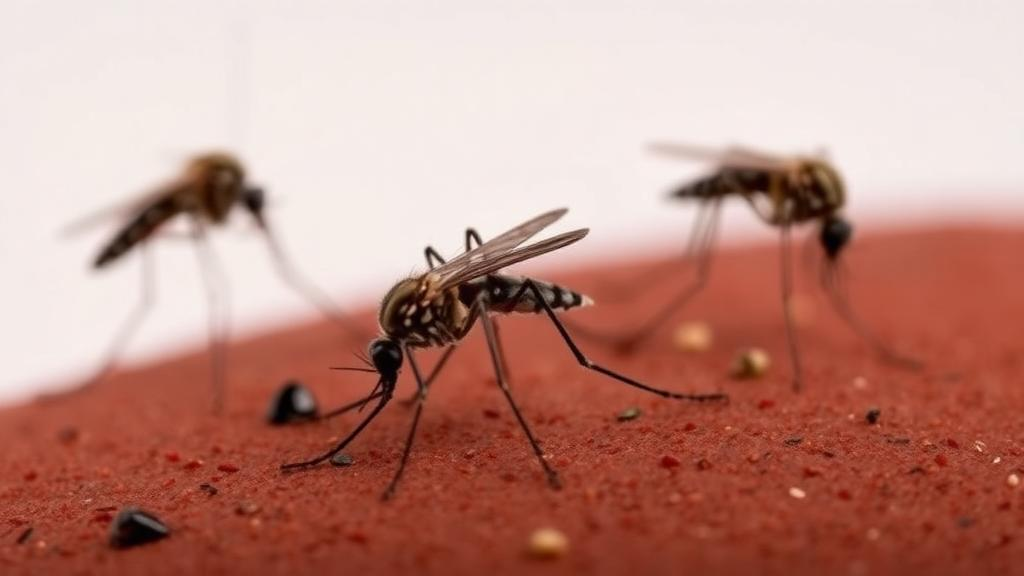
The analysis emphasizes a shift in transmission dynamics, with chikungunya increasingly spreading in urban and peri-urban environments where Aedes aegypti, and occasionally Aedes albopictus mosquitoes thrive. This urban cycle accelerates viral transmission in densely populated areas, leaving a narrow window for effective intervention. Relying solely on clinical case detection means that outbreaks are often recognized only after the virus has already spread significantly among human and mosquito populations.
Historical data illustrates both the widespread impact of chikungunya and the gaps in current monitoring systems. The largest known outbreak occurred in Dire Dawa, Ethiopia, in 2019, with more than 41,000 suspected cases reported. Kenya experienced severe epidemics in 2004 and between 2016 and 2018, with the 2004 outbreak achieving a remarkable attack rate of 75 percent on Lamu Island. In Djibouti, a 2019-2020 urban outbreak reported limited data due to inadequate systematic reporting.
The study argues that current systems lack comprehensive data from several countries including Tanzania, Uganda, and Somalia, despite indications of viral circulation in these areas. Researchers highlighted the disparities between reported cases and genomic data, noting significant gaps in laboratory capacity and under-recognition of cases, which can lead to undetected transmission across provinces.
Climate change is further complicating the situation, as warmer temperatures are expanding the range of Aedes mosquitoes and lengthening the transmission seasons for chikungunya. The study pointed out that factors such as temperature, rainfall, and humidity significantly influence mosquito populations and the efficiency of virus transmission. Heavy rainfall events, combined with high temperatures, can rapidly increase vector densities, leading to outbreaks that cannot be tracked by traditional surveillance systems.
The researchers propose a “One Health” approach for outbreak monitoring that integrates human, animal, and environmental data to create an early warning system. This methodology includes not only clinical and laboratory diagnostics but also vector surveillance and environmental indicators. Successful examples from other climate-sensitive vector-borne disease programs demonstrate that this integrated approach can track viral diversity and identify overlooked transmission clusters, enabling timely public health interventions.
Geographically, the areas most affected by outbreaks have been urban and coastal regions with significant transport links, illustrating the need for cross-border cooperation in surveillance and response. The authors recommend that ministries of health transition from passive case reporting to a coordinated One Health surveillance framework that links human case detection with mosquito monitoring and climate intelligence. Such systems would enhance data sharing and improve the readiness of neighboring countries to respond to emerging risks.
As East Africa continues to grapple with fragmented health systems and the challenges posed by climate variability, the analysis suggests that early detection of chikungunya will require a more integrated approach that combines entomological, environmental, and climatic data.
