




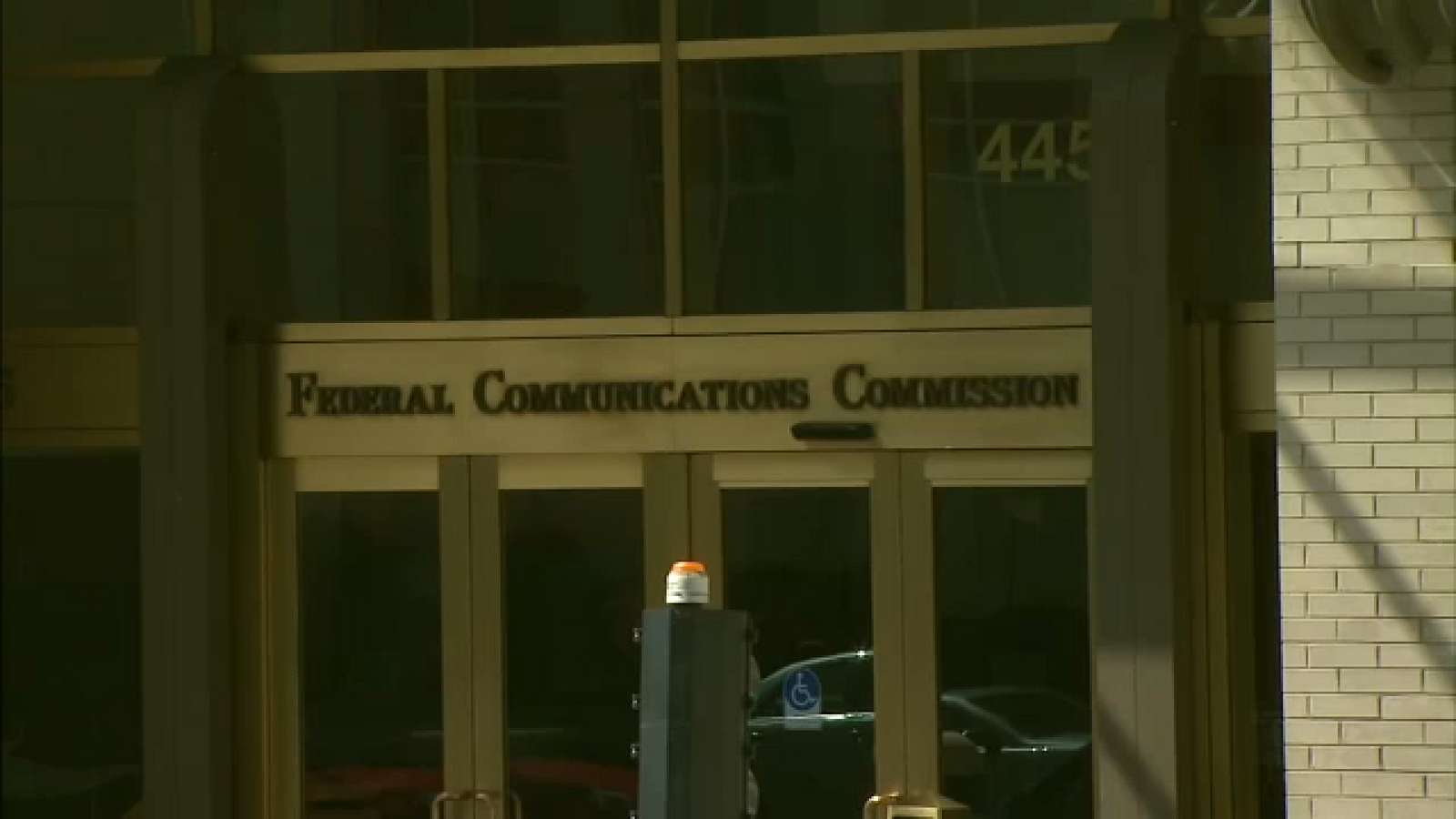
WASHINGTON — The Federal Communications Commission (FCC) is currently considering a request from a conservative group to relax the regulations surrounding political robocalls. This proposal aims to permit the use of artificial intelligence-generated voices in unsolicited calls, specifically ahead of the upcoming midterm elections in November.
Under current federal law, most robocalls to cellphones are prohibited unless the caller obtains prior consent. The petition seeks a waiver that would allow political groups to utilize AI or prerecorded voices in these unsolicited wireless communications.
The FCC, led by a Republican majority, has advanced the request for public comment and could issue a ruling as soon as late October. Consumer advocacy organizations have expressed concerns that this change could result in an influx of unwanted and potentially misleading automated calls during a crucial election period, which will determine the party control of Congress for the remaining two years of President Donald Trump’s term.
Past incidents highlight the dangers of such changes. For instance, during the 2020 presidential primary season, thousands of New Hampshire voters received a robocall featuring an AI-generated voice of then-President Joe Biden. The message misleadingly urged recipients to skip voting in the primary and “save” their votes for the general election.
If granted, the waiver would allow some existing state and federal laws against deceptive practices and voter intimidation to remain in effect. However, critics, including Tim Harper, head of the elections team at the Center for Democracy and Technology, argue that the waiver could undermine protections against bad actors. Harper warned that a ruling near Election Day might create significant opportunities for abuse and deceptive targeting of voters.
Advocacy for Change
The Club for Growth, the group advocating for this regulatory change, argues that it would enhance communication with voters and improve outreach efforts, including reaching individuals in various languages. They contend that the current federal restrictions are outdated and hinder free speech.
David McIntosh, president of the Club for Growth, stated, “Our petition asks the FCC to treat First Amendment protected political speech in the same way it treats wireless calls about package deliveries, bank accounts, and doctor’s appointments.” The organization claims its request is not intended to promote robocalls but rather to facilitate communication.
Critics of the proposal, including FCC Commissioner Anna Gomez, have raised alarms about a potential surge in robocalls and misinformation. Gomez stated that the exemption from the need for consumer consent could escalate the spread of deceptive messages to nearly every voter in the country.
Political robocalls have previously sparked controversy, often resulting in significant penalties under the Telephone Consumer Protection Act. In 2020, deceptive robocalls misled voters in predominantly Black areas about the risks of voting by mail, leading to criminal charges and fines for those responsible.
If the FCC opts to approve the Club for Growth’s petition, it may pave the way for an expansion of AI-generated robocalls in political contexts. The commission’s decision could follow the close of the public comment period on October 19, after which it may proceed with a ruling.
