




South Africa Faces Nutritional Challenges Despite Food Availability
Many households in South Africa have enough food but struggle to afford nutritious options, according to a report by Rhiza Babuyile, a non-profit organization focused on improving conditions in under-resourced communities. The organization emphasizes that the issue is not simply one of food scarcity, but rather a lack of accessibility to healthy food.
“South Africa is not underfed, but it is undernourished,” said Alef Meulenberg, founder of Rhiza Holdings. He pointed out that while numerous food programs exist, the supplies often lack sufficient nutritional value. Meulenberg noted, “We cannot blame people for choosing cheap food when cheap food is what they can afford. If we want healthier communities, we have to make healthier food affordable.”
This concern arises as National Nutrition Week takes place from October 9 to 15, focused on the theme of “Creating Healthy Food Environments for Better Nutrition,” followed closely by World Food Day on October 16, which carries the slogan “Innovate today, Nourish tomorrow.”
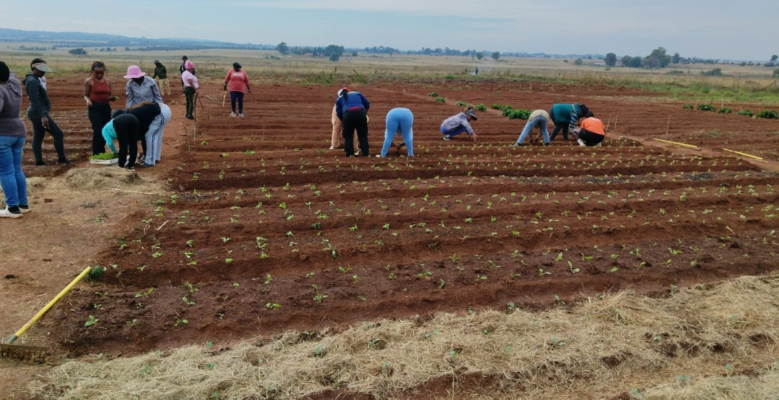
Rhiza Babuyile advocates for a multifaceted solution that transcends mere food distribution. The organization aims to empower communities by teaching them to grow, sell, and profit from their food, thus increasing access to fresh produce while fostering economic opportunities.
Their initiatives include school vegetable gardens that teach children about food cultivation and youth agripreneurship programs that equip young people with essential farming and business skills. “We have developed models where schools can develop their own vegetable food gardens,” Meulenberg explained. He noted that entrepreneurship training in organic food and healthier options enables youth to offer new food choices to their communities at comparable prices.
Rhiza operates several farming projects, such as Thuthuwa Farm in Diepsloot, which provides crop production training, and Amathuba Farm in Orange Farm, where vegetables like spinach and broccoli are cultivated. These efforts aim to go beyond mere food production and create sustainable agricultural businesses.
“Growing food is only one part of it,” said Meulenberg. “People need to understand the market, the customer, pricing, and how to make the business sustainable.” His agripreneurship model combines agricultural training with entrepreneurship and employability, addressing both food security and economic stability simultaneously.
The organization also sees a significant connection between better nutrition and improved long-term outcomes. “Better nutrition can mean less stunting, better brain and physical development, and ultimately better educational and health outcomes,” he stated.
Meulenberg called for collaborative efforts from various sectors to tackle the challenge of nutritional access. He declared that effective solutions require the involvement of government, farmers, businesses, schools, and communities to ensure that healthier food becomes accessible and priced affordably.
“We can build a food system that not only feeds people but also offers them the chance to live healthier, more secure lives,” he added.
