




Darfur Faces Severe Humanitarian Crisis Amid Ongoing Conflict
El Fasher, Sudan – The humanitarian and health crisis in Darfur continues to worsen more than three years into the conflict between the Sudanese Armed Forces (SAF) and the Rapid Support Forces (RSF). The region remains a central battleground in the war that erupted in 2023, leading to widespread violence, displacement, hunger, and disease.
The RSF has gained control of significant areas in Darfur, including the capital of North Darfur State, El Fasher. Reports from the United Nations indicate that this conflict has seen mass killings and sexual violence, particularly targeting certain non-Arab communities.
Since the onset of hostilities, the war has resulted in tens of thousands of deaths and has displaced over 13 million people across Sudan. The situation has reached a critical point, with the risk of famine looming in parts of Darfur and Kordofan. The involvement of external support networks that bolster both rival factions has further complicated the precarious situation.
In response to the escalating emergency, the World Health Organization (WHO) has issued a call for a substantial increase in funding for health and humanitarian aid in the region. The WHO emphasized the urgent need to ensure safe and uninterrupted humanitarian access to enable aid workers to reach vulnerable communities effectively. Currently, the needs in Darfur far exceed available resources.
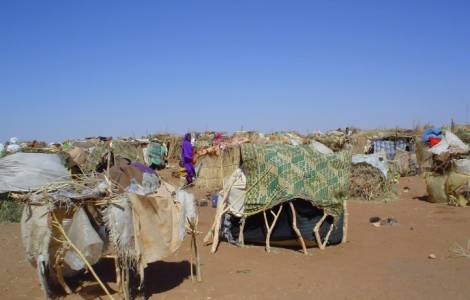
Particularly alarming conditions are reported in Tawila, where over 700,000 displaced individuals lack adequate healthcare, nutrition, and access to food and clean water. The area’s infrastructure is crumbling, leading to poor sanitation and insufficient protection for those affected. Tawila exemplifies the broader crisis affecting Darfur.
According to the International Organization for Migration (IOM), approximately 65% of Sudan’s 8.6 million internally displaced people are located in Darfur. This region’s humanitarian needs are intensified by adverse climatic conditions, including insufficient rainfall in 2026, which has devastated crops in North and West Darfur. The depletion of water resources has driven up prices and forced communities to travel long distances for water.
Disease outbreaks, such as diarrhoea and malaria, are rampant in the displacement camps located in South Darfur, where aid provisions are particularly scarce. The lack of access to safe drinking water, sanitation, and medical care increases the likelihood of a public health emergency affecting the remaining population.
Darfur, which stretches along much of Sudan’s western frontier, has become the principal battleground in the ongoing conflict, presenting a persistent threat not only to civilians’ safety but also to their fundamental needs for survival.
