




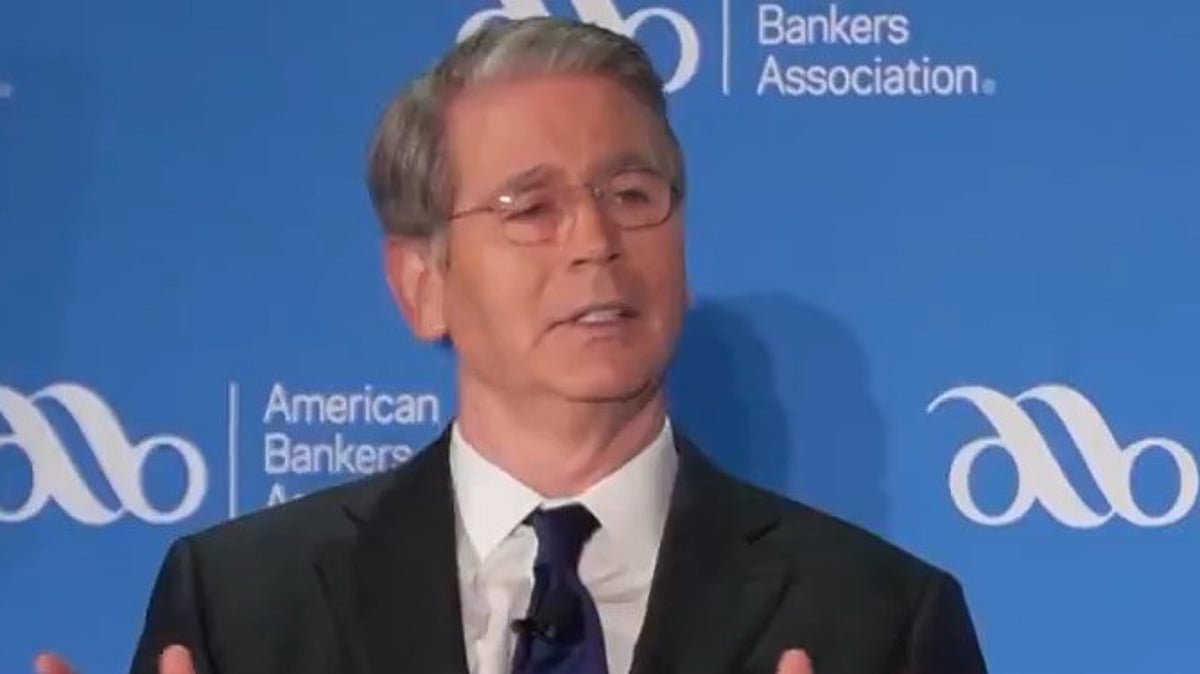
Europe has rejected calls from the United States to impose tariffs on India and China regarding their energy imports from Russia amidst the ongoing conflict in Ukraine. Scott Bessent, a prominent financial executive, emphasized the inconsistency in European nations’ approaches, stating that Europe continues to finance the Russian war effort through sustained purchases of Russian energy.
Bessent remarked, “The Europeans are financing the Russian war machine. The US imports $4 billion of Russian products. $1.8 billion of that is fertilizer. The Europeans, they import more than 10 times that,” highlighting the significant scale of Europe’s reliance on Russian energy supplies.
He further illustrated this dependency by noting that 136 of 140 shipments from Russia’s Yamal facility in the first half of this year were directed to European countries, including Belgium, Spain, France, and the Netherlands, with a total value exceeding $8 billion.
The discussion around tariffs resurfaced following remarks from US Secretary of State Marco Rubio, who underscored the need to consider India’s energy requirements. Rubio stated, “These sanctions were not just sanctions on Russia. They include tariffs on a number of countries—India, for example, and others.” He acknowledged India’s importance as a strategic ally and pointed out that the US administration wanted to carefully evaluate the potential impacts on both the American and global economies.
Rubio noted that while countries like India have diversified their energy sources, an abrupt cessation of Russian imports is not feasible in the short term.
Ukrainian President Volodymyr Zelenskyy criticized the US approach, calling for a reassessment of policies towards Russia. He expressed hope that Washington would alter its strategy in light of the situation, stating, “We waited from the very beginning of his presidential term that he will change his attitude to Putin.” Zelenskyy emphasized that he trusts the US can make changes that would benefit both Ukraine and the United States.
The ongoing debate illustrates the complex dynamics the US faces in balancing the need to restrict Moscow’s energy revenue, manage fuel prices, and maintain relations with key trading partners as the conflict in Ukraine persists.
