




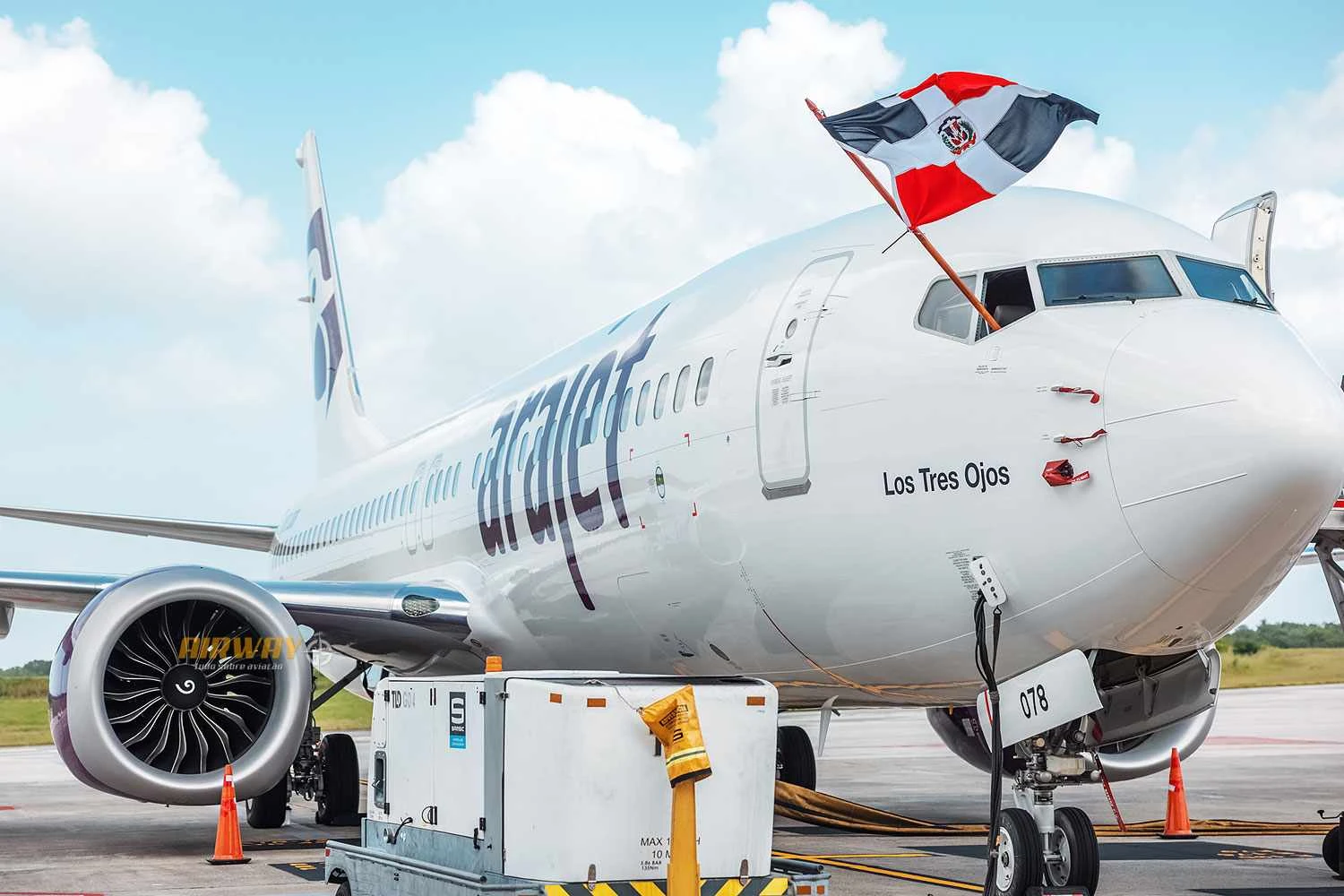
Arajet has confirmed its intention to launch scheduled flights to Venezuela, despite multiple delays in its entry into the market. The Dominican airline aims to operate routes connecting Caracas, Valencia, and Maracaibo to its main hubs in Santo Domingo and Punta Cana.
The initiative, which began in March, involves Arajet applying for authorization from the Dominican Republic’s Civil Aviation Board for six routes to Venezuela. Each route is planned to operate twice weekly, leading to a total of 12 flights per week using the Boeing 737 MAX 8, the only aircraft type in Arajet’s fleet.
Initially, the company anticipated starting services in June, with the first route from Punta Cana to Caracas. However, this timeline was pushed back, and Dominican authorities later suggested September or October as possible start dates.
The launch plans encountered additional complications following an earthquake in June that caused damage to the Simón Bolívar International Airport in Maiquetía, which is the primary airport serving Caracas. Arajet acknowledged in August that the earthquake’s impact on airport infrastructure had delayed its operations. The airline indicated that it could consider commencing services to Valencia or Maracaibo if conditions at Caracas remain unfavorable.
In July, Arajet conducted a humanitarian mission to Venezuela, utilizing one of its Boeing 737 MAX 8 aircraft to transport healthcare professionals, medical equipment, and a mobile hospital in response to the earthquake’s devastation.
As of now, none of the six proposed routes have commenced operations, and Arajet has not provided a firm date for its entry into the Venezuelan market. The company began operating in 2022 and currently offers services throughout the Caribbean and parts of North, Central, and South America.
Arajet’s plans come at a time when international airlines are reevaluating opportunities in Venezuela after years of limited connectivity. According to reports, several Latin American carriers are exploring new or restored services to the country, driven by improving diplomatic relations and expectations of recovering passenger demand, although challenges related to airport infrastructure and regulations persist.
