




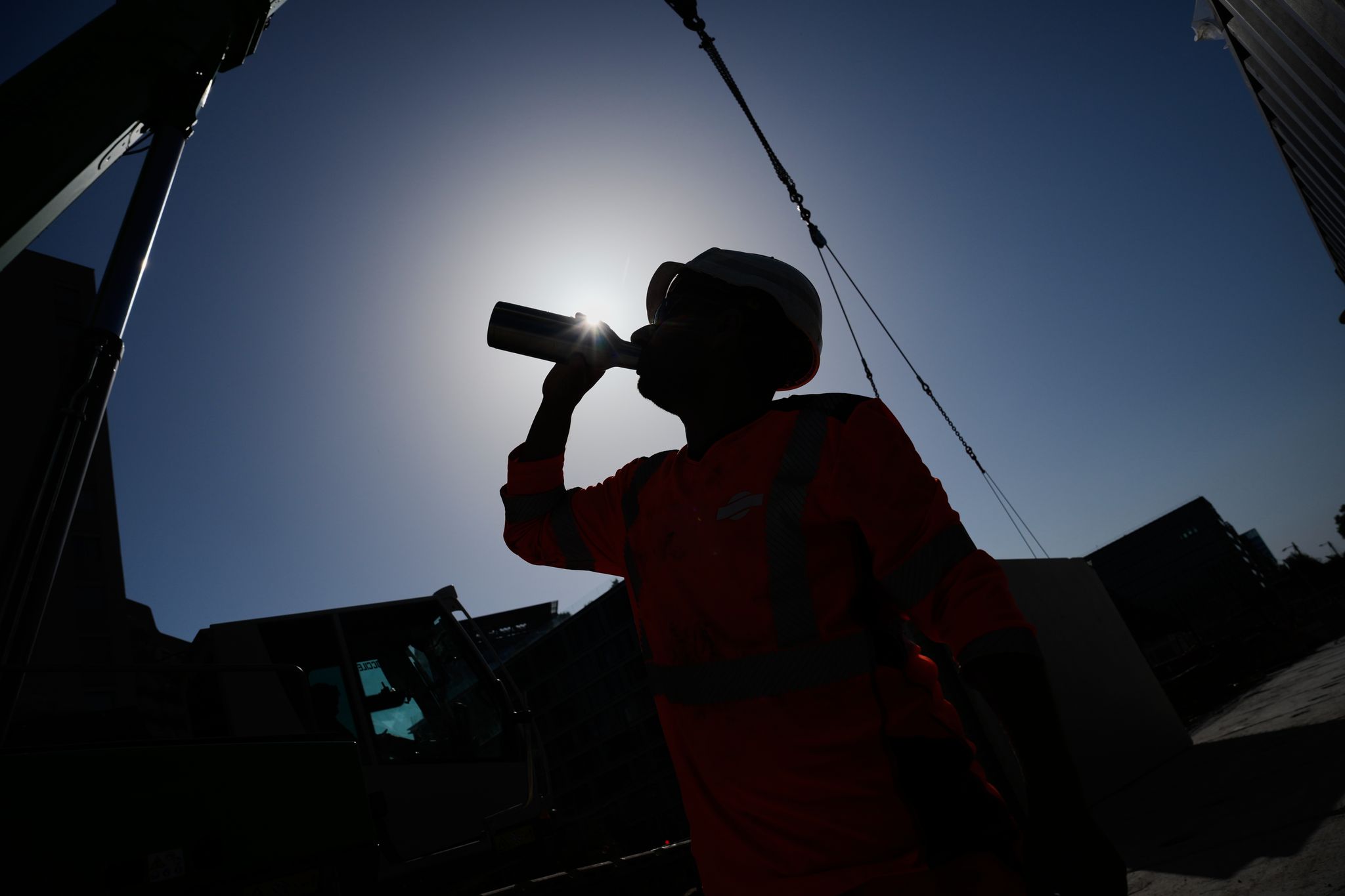
Record-breaking heat in Europe this summer has resulted in over 50,000 deaths, with nearly two-thirds attributed to human-induced climate change, according to a comprehensive study set to be published in an upcoming issue of Nature Health.
Researchers analyzed heat-related mortality data across various age groups in 854 European cities during heat waves in June, July, and August. Their findings indicate that 50,391 individuals died from elevated temperatures this summer, with 32,619 fatalities linked directly to the additional heat caused by fossil fuel combustion, including coal, oil, and gas.
This figure marks a 71% increase from the previous record low of 29,480 deaths recorded during the summer of 2022. The researchers noted that the current numbers are likely an undercount, as they do not take into account a deadly heat wave in May and only reflect deaths in the sampled cities, which comprise about 40% of Europe’s population.
During a particularly intense heat wave from June 17 to July 1, temperatures soared 9.5°F (5.3°C) above normal, contributing to approximately one-third of the total heat-related deaths this summer. Study co-author Garyfallos Konstantinoudis from Imperial College London highlighted the unprecedented nature of these temperatures, especially given that some European cities experienced heat 21.6°F (12°C) above normal.
Lead author Clair Barnes stated that the infrastructure in much of Western and Northern Europe is inadequately equipped to handle the extreme temperatures driven by human-caused warming. Notably, more than half of the heat-related deaths occurred among individuals aged 85 and older, but the study also recorded over 800 deaths among those aged 20 to 44.
Researchers attributed 65% of heat-related deaths in recent years to global warming, a significant increase from approximately 45% in the early 2000s. They employed a recognized scientific method, running computer simulations comparing a world without climate change to actual heat-related deaths this summer. The difference reveals the extent of the impact from climate change on these mortality rates.
The study’s methodology has received validation from experts across the field. To arrive at the estimated death toll, researchers used complex statistical modeling that considers specific temperature-related risks for each city included in the study, as well as real-time data from government agencies.
As Europe faces the urgent need to adapt to increasing heat, experts call for investments in early-warning systems, equitable access to cooling solutions, and community networks to support vulnerable individuals. Dr. Courtney Howard, president-elect of the Canadian Medical Association, emphasized that while adaptation is critical, reducing fossil fuel use remains imperative to address the root causes of climate change.
