




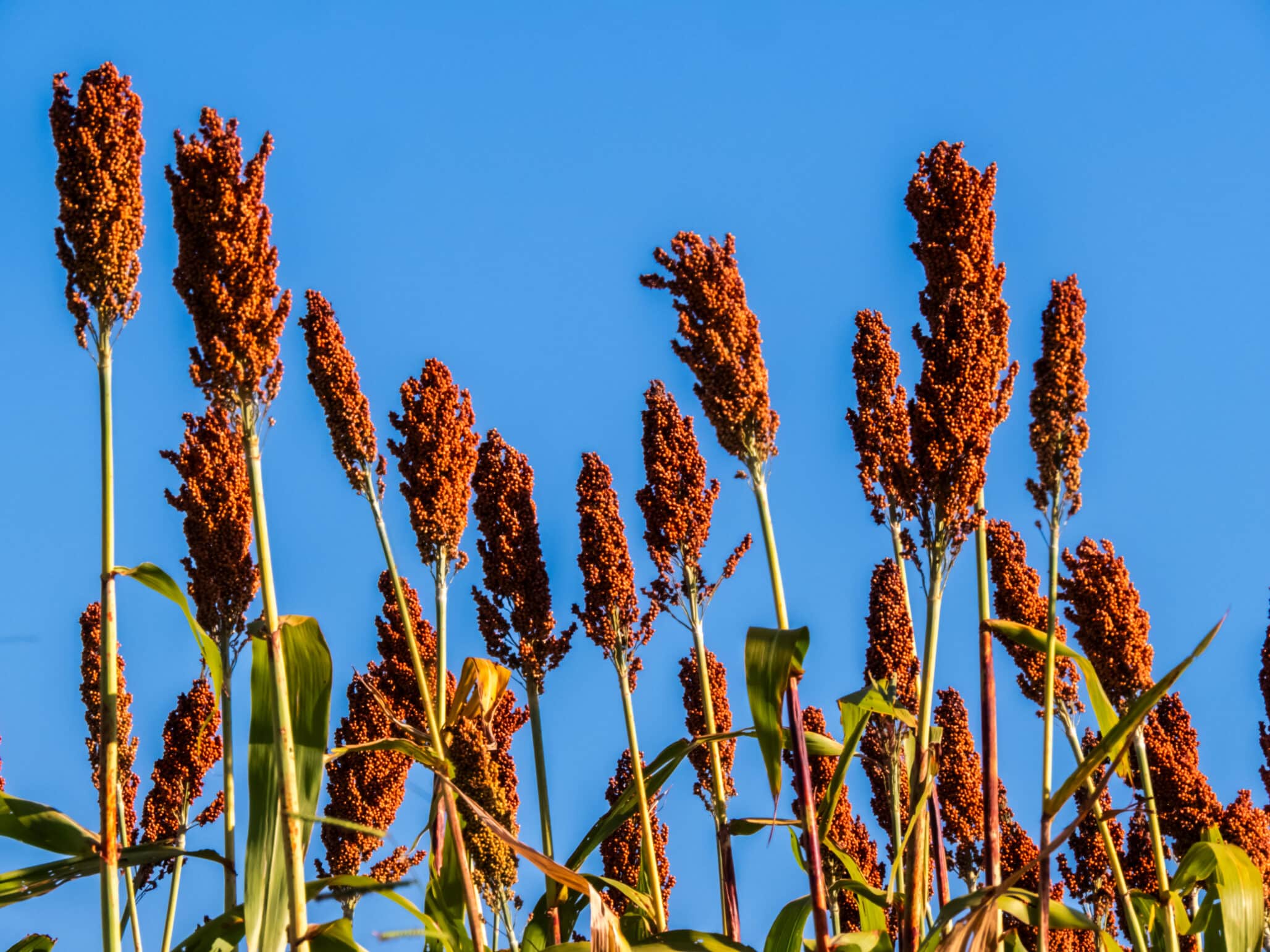
Sorghum May Offer Alternative to Maize as Climate Changes in Europe
Sorghum could play a significant role in European agriculture as rising temperatures and increased water shortages pose challenges for traditional maize production, according to research from France’s National Research Institute for Agriculture, Food and Environment (INRAE).
The study indicates that climate change could create more favorable conditions for sorghum, potentially expanding the areas suitable for its cultivation. Currently, sorghum accounts for just 0.1% of European cropland, primarily being grown in warmer and drier regions. Due to its tolerance for high heat and low water availability, sorghum may present a viable alternative to maize, which is heavily relied upon for livestock feed in the region.
Researchers found that sorghum yields, under predicted climate conditions between 2050 and 2100, could increase from an average of 3 tonnes per hectare to between 3.4 and 3.8 tonnes per hectare.
Regional Variations in Sorghum Production
The study projected a generally positive impact of climate change on sorghum yields, although this varies by region. Northern Europe could see increased yields due to rising temperatures, while southern Europe might experience modest declines as conditions become hotter and drier.
Furthermore, the research identified potential growth in areas suitable for stable sorghum production. Currently, about 22% of European cropland supports high and stable sorghum yields, which could increase to between 29% and 34% by the end of the century, depending on climate scenarios.
These findings suggest that sorghum could gain traction as a viable crop across larger areas of Europe, offering farmers alternative options as climate conditions evolve.
Reducing Dependency on Maize for Livestock Feed
In addition to its tolerance for adverse weather conditions, sorghum could lessen the agricultural sector’s reliance on water-intensive maize. Researchers estimate that implementing a crop rotation system that incorporates sorghum every three years could replace approximately 90% of the maize currently used for livestock feed in Europe.
This information is particularly vital as European farmers seek to manage water resources while sustaining crop productivity and livestock feed supplies. In France, maize accounts for 38% of irrigated cropland, underscoring the need for alternative crops suited for drier conditions.
Encouraging the growth of sorghum may alleviate irrigation demands, allowing water resources to be allocated to other crops and enhancing Europe’s self-sufficiency in livestock feed.
Assessing Future Sorghum Yields
To evaluate sorghum’s potential, the researchers developed a machine-learning model that predicts yields based on climate factors such as temperature, precipitation, and humidity. This model combined historical yield data with projected climate conditions for the mid and late 21st century.
Through the analysis of 20 climate scenarios generated from five climate models, researchers assessed how sorghum production might respond to varying degrees of climate change. Findings suggest that, overall, sorghum productivity could increase across Europe, though regional yield differences remain important.
The Future Role of Sorghum in European Agriculture
The results of this research indicate that increasing the cultivation of sorghum could aid European agriculture in adapting to climate change while alleviating pressure on water resources. For countries like France, integrating more sorghum into agriculture could diversify livestock feed options and reduce reliance on irrigated maize.
While these potential benefits hinge on future climatic conditions, regional suitability, and the adoption of sorghum into current agricultural practices, this research positions sorghum as a climate-resilient crop that may support more diverse agricultural systems in Europe.
