




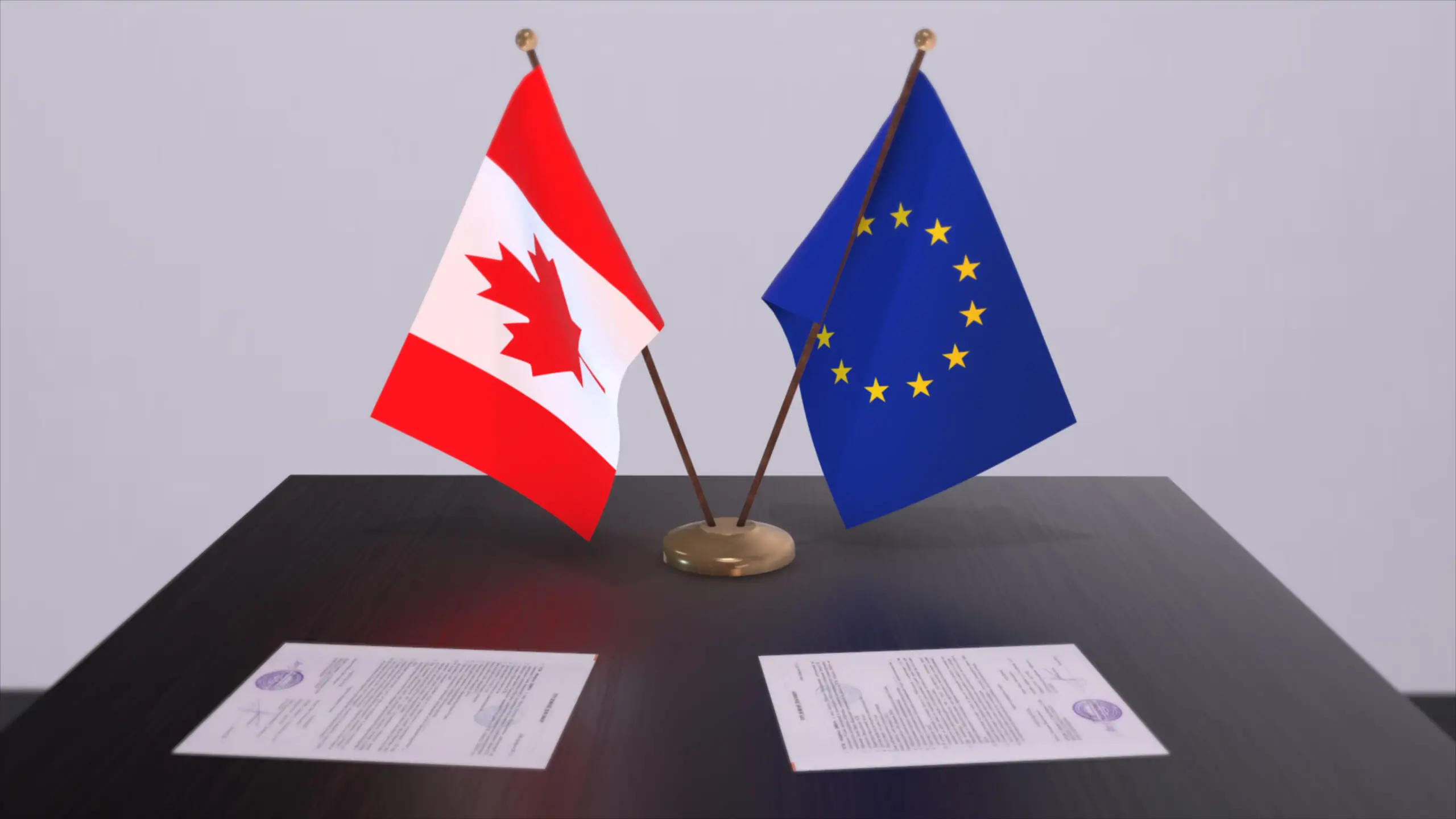
Canada is poised to deepen its relationship with the European Union as discussions about a possible “associate member” status for Canada gain traction. European Commission President Ursula von der Leyen indicated this opportunity on September 16, paving the way for stronger ties between democracies threatened by coercive practices in trade, technology, and finance.
Canadian Prime Minister Mark Carney echoed this sentiment the following day during his address to the European Parliament in Strasbourg, advocating for a partnership grounded in “collective resilience.” As global dynamics shift and nations grapple with coercive tactics, Carney emphasized the necessity for democracies to collaborate more closely and diversify their partnerships.
For this proposed alliance to flourish, however, it requires more than just government-level agreement. Experts argue that societal engagement is crucial. A partnership rooted in the interests and support of citizens, civil society, businesses, and academia will be more resilient against political upheaval and external pressures, according to statements made in the wake of recent discussions.
In light of this, the concept of a Canada–Europe Civic and Democratic Pact has been proposed, aimed at establishing a robust foundation for strategic collaboration. This pact would prioritize education, research, and the exchange of knowledge, facilitating greater student mobility and scientific cooperation. Such initiatives could enhance intellectual and civic engagement across the North Atlantic, creating a dynamic hub for collaboration.
Additionally, the pact would encourage the development of a shared media ecosystem to combat misinformation. With increasing political polarization and declining trust in media, experts suggest that cultural institutions, universities, and journalists need to foster new cooperative efforts to maintain democratic values and facilitate effective communication.
Finally, the pact proposes involving citizens in critical decision-making areas like artificial intelligence, health, and defense, stressing that these choices will impact future social and economic conditions.
Upcoming events will provide a platform to advance these discussions. From October 21 to 23, the second Europa Power Conference in Strasbourg will gather diverse stakeholders to explore collaborative proposals. A week later, leaders from Canada and Europe will meet in Montreal for the EU–Canada Summit, furthering the initiative for a reinforced alliance.
Carney has underscored that the overarching aim should not be to form an exclusive Western bloc but to foster an open alliance among democracies. The complementary strengths of Canada and Europe—Canada’s resources and technological expertise alongside Europe’s market scale and research depth—are seen as pivotal to this endeavor.
As political dialogues progress, a democratic foundation will be essential in shaping this emerging strategic relationship, with opportunities lying ahead to build a community committed to determining its own future.
