




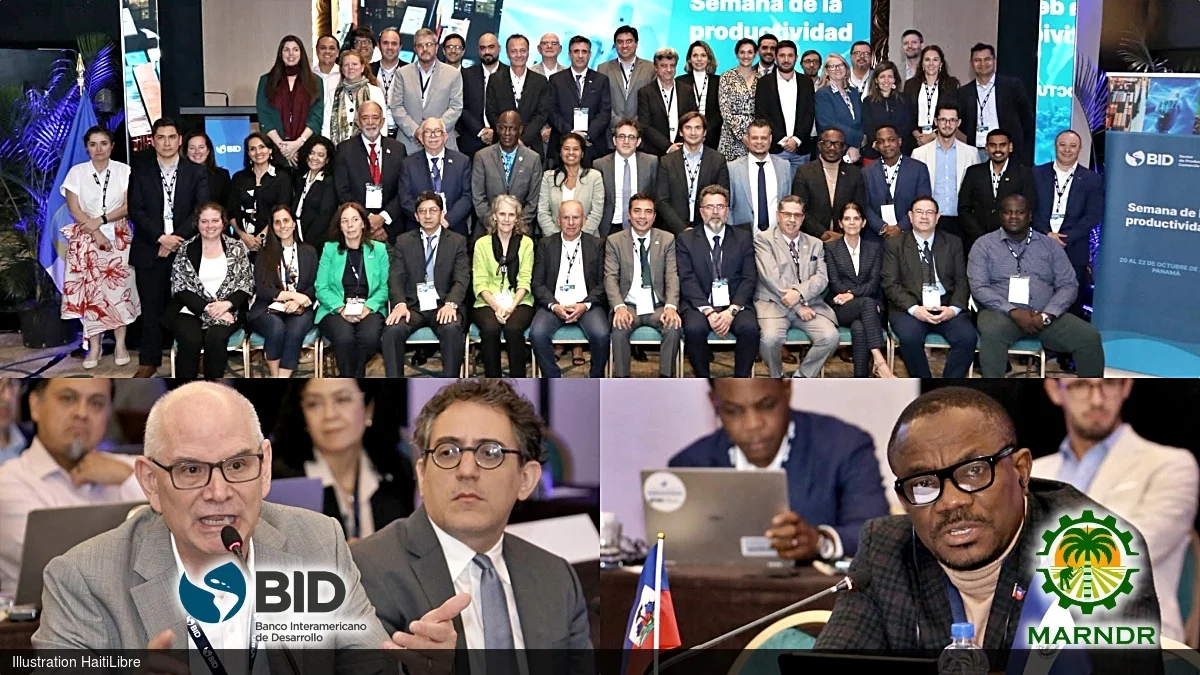
Haitian Minister Advocates for Sustainable Agriculture at Regional Dialogue
During the Regional Dialogue on Public Policy for Agriculture and Rural Development held on October 22, 2026, in Panama, Marcelin Aubourg, Haiti’s Minister of Agriculture, highlighted the need for a more productive and sustainable agricultural sector. Organized by the Inter-American Development Bank (IDB) under the theme “Building Productive and Resilient Agri-Food Systems,” the event focused on enhancing food security amid ongoing economic, climatic, and security challenges in Haiti.
Minister Aubourg addressed the persistent food vulnerability affecting many Haitians and outlined his intention to prioritize the strengthening of domestic production in the nation’s agricultural policies. He emphasized that while emergency responses are crucial for supporting vulnerable populations, these efforts should be complemented by long-term investments aimed at increasing the nation’s agricultural capacity and reducing dependence on food imports.
Key initiatives proposed by the Minister include improving farmers’ access to quality seeds, essential equipment, agricultural advisory services, and advanced production technologies. He also stressed the importance of rehabilitating irrigation infrastructures, better managing water resources, and modernizing farms to increase yields and support local producers.
The Minister acknowledged significant hurdles such as climate change, resource degradation, insecurity, and supply chain disruptions that threaten agricultural stability. Aubourg called for sustainable production systems that can withstand shocks while safeguarding the livelihoods of rural communities. He suggested developing sustainable hydro-agricultural infrastructure, conserving soil and water, diversifying crops, and establishing financing mechanisms to aid producers impacted by crises.
Additionally, he underlined the need for enhanced anticipation and early-warning systems to prepare for potential disasters that could impact agricultural productivity.
Aubourg also pointed out that food security transcends the mere availability of food; it requires consistent access to a diverse, nutritious, and affordable diet. To this end, he recommended the development of national value chains for food crops, fruits, vegetables, and animal products, which are essential for improving market supply.
At the close of the dialogue, the Minister reiterated the importance of reducing post-harvest losses through better storage, preservation, processing, and transport capabilities. He suggested that these enhancements could protect agricultural products, increase farmers’ incomes, and improve access to local food for consumers.
In promoting cooperation aligned with local realities, Aubourg expressed hope that future support from the IDB would emphasize productive investments, fortify agricultural institutions, and enhance food system resilience. He stressed that technical and financial partners must align their efforts with the priorities set by Haitian authorities to sustain institutional development and ensure lasting positive outcomes.
The next crucial step involves translating these guidelines into actionable investments to fortify producers’ abilities and improve conditions for rural communities.
