




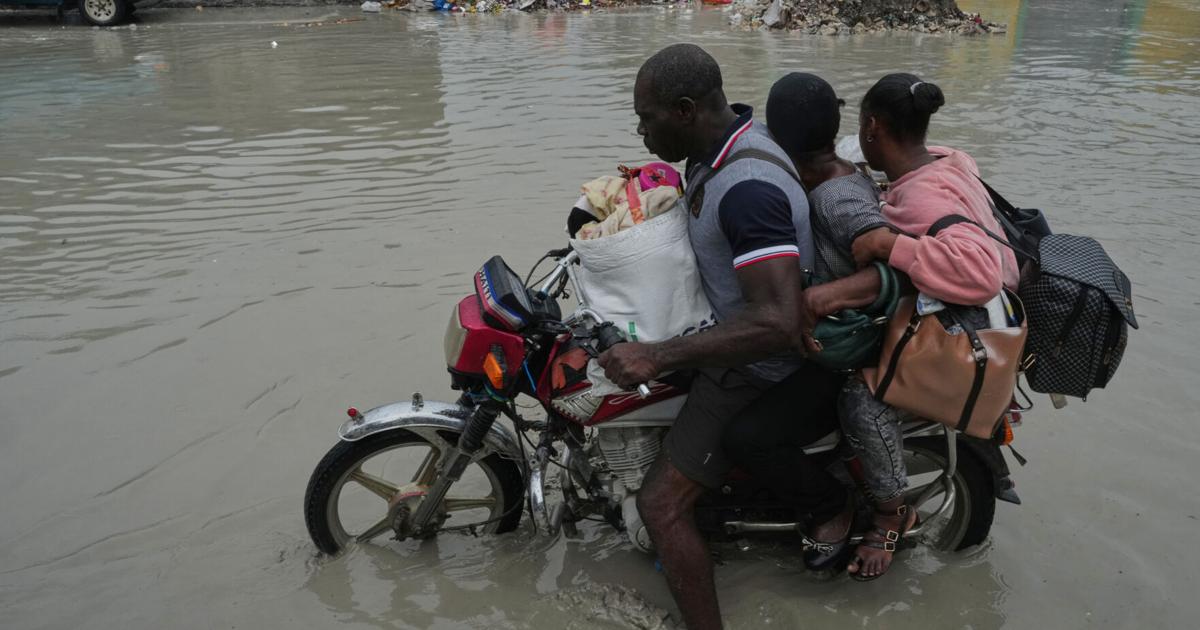
A significant increase in gang violence in Haiti has prompted calls for international intervention from officials and citizens alike. The escalating unrest has created dire conditions, leading to shortages of food and essential supplies in various regions of the country.
Haitian authorities reported that gangs currently control roughly 80% of Port-au-Prince, the nation’s capital. This alarming statistic highlights the challenges faced by law enforcement, which has struggled to regain control amid ongoing violence. The situation has been exacerbated by a lack of political stability, as a transitional government has failed to address the rising crime rates effectively.
In a recent statement, Prime Minister Ariel Henry acknowledged the severity of the crisis, asserting the need for international support to stabilize the region. “We need help to restore order and ensure the safety of our citizens,” Henry stated during a press conference. His appeal reflects the desperation felt by many Haitians living under constant threat from armed groups.
Local organizations have also voiced their concerns. Activists have reported increasing instances of kidnappings, extortion, and violent clashes. Many residents are forced to stay indoors due to the imminent dangers, severely impacting their daily lives and livelihoods.
As the violence continues, food prices have surged, leaving a considerable portion of the population struggling to afford basic necessities. Hospitals are overwhelmed with victims of gang-related incidents, further straining the already fragile healthcare system.
In response to the deteriorating situation, the United Nations has discussed the possibility of deploying an international security force to assist local authorities. However, no concrete plans have been finalized, and discussions are ongoing regarding the potential scope of such an intervention.
Public protests against the government have surged, with many demanding immediate action to address the rampant insecurity. Demonstrators have expressed frustration at the lack of effective measures to combat gang violence, calling for both national and international accountability.
The Haitian government continues to navigate this complex crisis, hoping for a resolution that can restore peace and stability to the nation. With no clear timeline for intervention, the situation remains critical, and citizens await further developments.
