




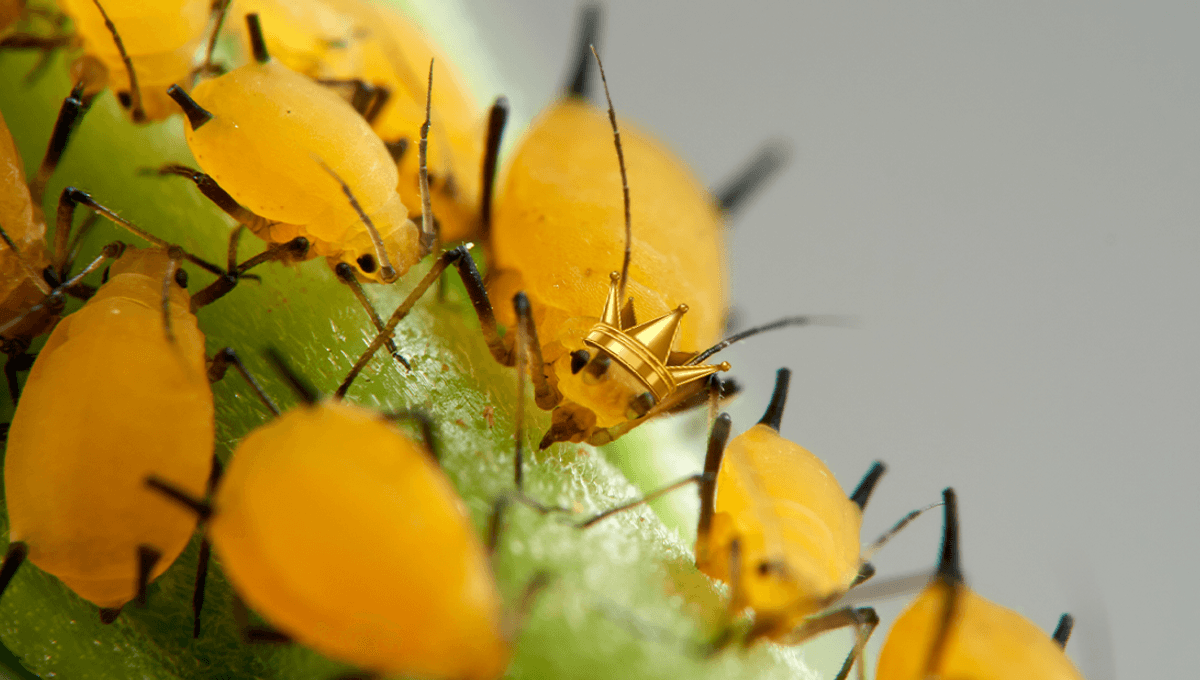
In a thought-provoking commentary on human reproduction, a researcher draws comparisons between the complexities of human birth and the asexual reproduction methods of aphids. The piece highlights the lengthy and cumbersome nature of human gestation and the vulnerability of newborns, contrasting it with the efficient reproductive strategies of aphids.
The author, who has an academic background in entomology, specifically focusing on disease-vectoring insects, reflects on their experiences in a laboratory environment devoted to studying hemipterans, which include aphids, leafhoppers, and whiteflies. They suggest that human reproduction could benefit from examining the unique reproductive traits of these insects.
Aphid Reproductive Strategies
Aphids reproduce through a process called parthenogenesis, allowing them to create all-female offspring without the need for fertilization. This asexual reproduction produces clones of the mother, enhancing survival during favorable environmental conditions. Fascinatingly, female aphids can be born already pregnant, a phenomenon referred to as telescoping generations, where they may carry the next generation within them.
During the summer months, this efficient reproduction system helps aphids thrive. However, as autumn arrives, the reproductive strategy shifts. Adult female aphids begin to produce males and females for sexual reproduction, allowing the species to produce cold-resistant eggs that can survive through winter until conditions improve.
Another notable feature of aphid reproduction is their ability to produce offspring with varying physical forms, influenced by environmental factors. The author humorously posits the idea that humans, too, might benefit from determining characteristics of their offspring, such as the ability to develop wings for easier travel.
Human Reproduction Limitations
The author suggests that humans could learn from aphids by developing offspring that could exist in a dormant state during challenging times, such as economic downturns or high childcare costs. These ideas include eliminating the need for fertilization under certain conditions and reintroducing sexual reproduction to enhance genetic diversity when needed.
However, they acknowledge the biological limitations faced by humans, including genomic imprinting, which necessitates a combination of maternal and paternal genes for normal embryonic development. Currently, human reproduction does not allow for the same flexibility observed in aphid counterparts, and while the author fantasizes about the potential of human cloning, they recognize the associated risks, including genetic vulnerabilities and mutations.
Ultimately, the author concludes that while the concept of human reproduction mirroring that of aphids presents imaginative possibilities, practical biological constraints render such ideas unattainable in today’s reality. The exploration serves as a fascinating reminder of the diverse reproductive strategies present in the natural world.
