




Polling indicates a challenging landscape for Republicans as the U.S. midterm elections approach on November 3, 2026, largely attributed to widespread public pessimism about the economy. Despite strong economic indicators, with the exception of inflation, consumer sentiment remains low.
The pervasive economic outlook has spurred discussions about whether current metrics of economic health adequately reflect the experiences of American voters. This issue is critical as 84% of registered voters identified the economy as a key factor influencing their midterm choices in a recent Pew Research survey. Bipartisan concern exists, with 82% of Republicans and 88% of Democrats deeming the economy a highly important issue.
The recent decline in voters’ economic outlook is primarily rooted in mounting pessimism among Republicans, even as Democrats continue to express greater concern, narrowing the gap between the parties. Analysts suggest this dissatisfaction with the economic status quo is likely to benefit Democrats in the upcoming elections, as dissatisfaction with economic conditions under President Donald Trump and a Republican-controlled Congress grows despite positive macroeconomic trends.
Experts are examining how perceptions of personal financial conditions versus broader economic measures are changing among voters. Traditionally, consumer sentiment, which gauges individual financial health and outlook, has corresponded with overall economic performance. However, in recent years, positive economic data has not alleviated negative sentiment among consumers, with the Michigan consumer sentiment index showing a 10% decline from a year ago.
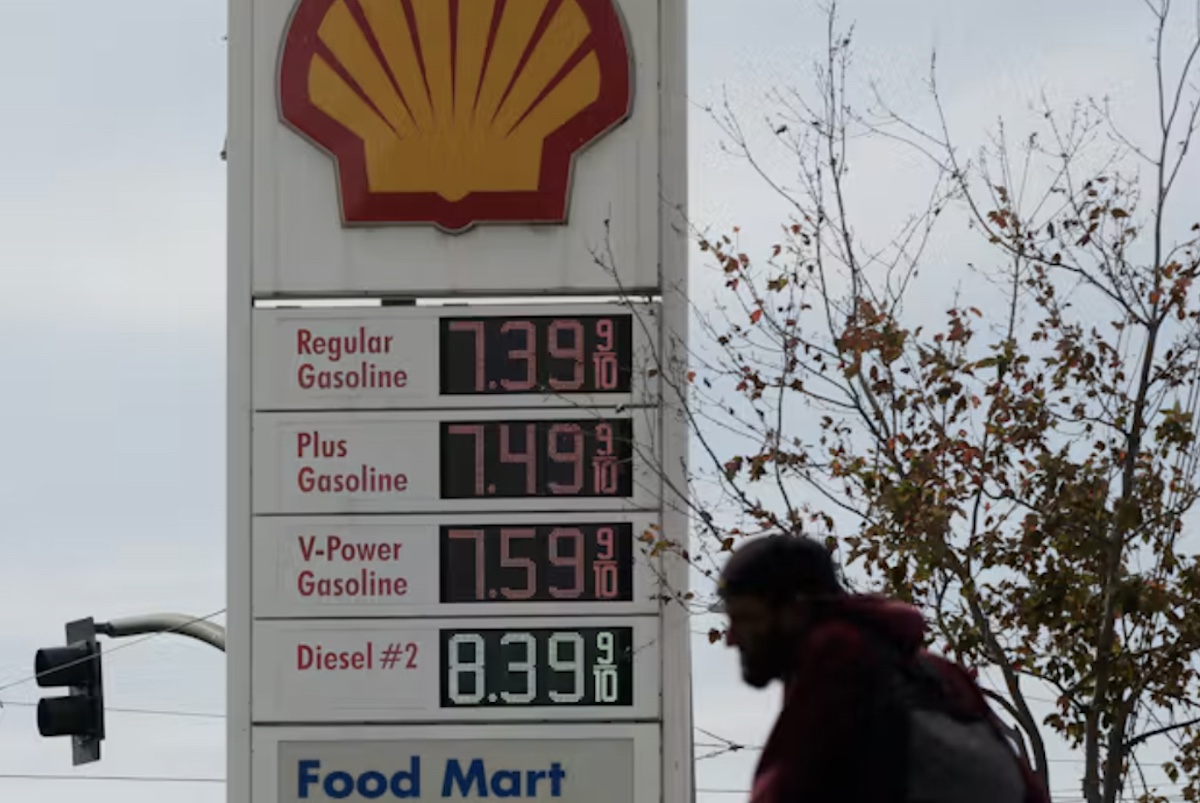
Some experts link this disconnect to persistent inflation, which has remained above the Federal Reserve’s 2% target. Factors contributing to this inflation include rising energy prices and tariffs. Notably, although inflation peaked at 9.1% in June 2022, it dropped to 3.7% in September 2026. Nonetheless, consumer sentiment remains lower than during the inflation spike.
Wage dynamics also complicate consumer feelings. While inflation-adjusted wages had risen between 2022 and early 2026, recent declines in real wages may further darken voter outlook as inflation continues to outpace income growth.
Concerns over income inequality may also be driving the stark contrast between perceived economic well-being and the actual economic data. The U.S. has seen a widening income gap over the past two decades, with the wealthiest 10% of Americans accounting for nearly half of all consumer spending. In contrast, individuals in the lower 80% of income brackets struggle to keep up with inflation, diminishing their economic experiences despite overall strong consumer statistics.
Consumer perceptions of the economy are often informed by broader societal considerations and collective well-being, rather than just personal financial situations. This trend suggests that voters might prioritize economic equity and opportunity when assessing the current regime, indicating their dissatisfaction could influence midterm voting patterns significantly.
As the election approaches, it is crucial for lawmakers to grasp the disconnect between economic performance indicators and public sentiment, as failure to address economic insecurity could affect election outcomes and policymaking in the near future.
