




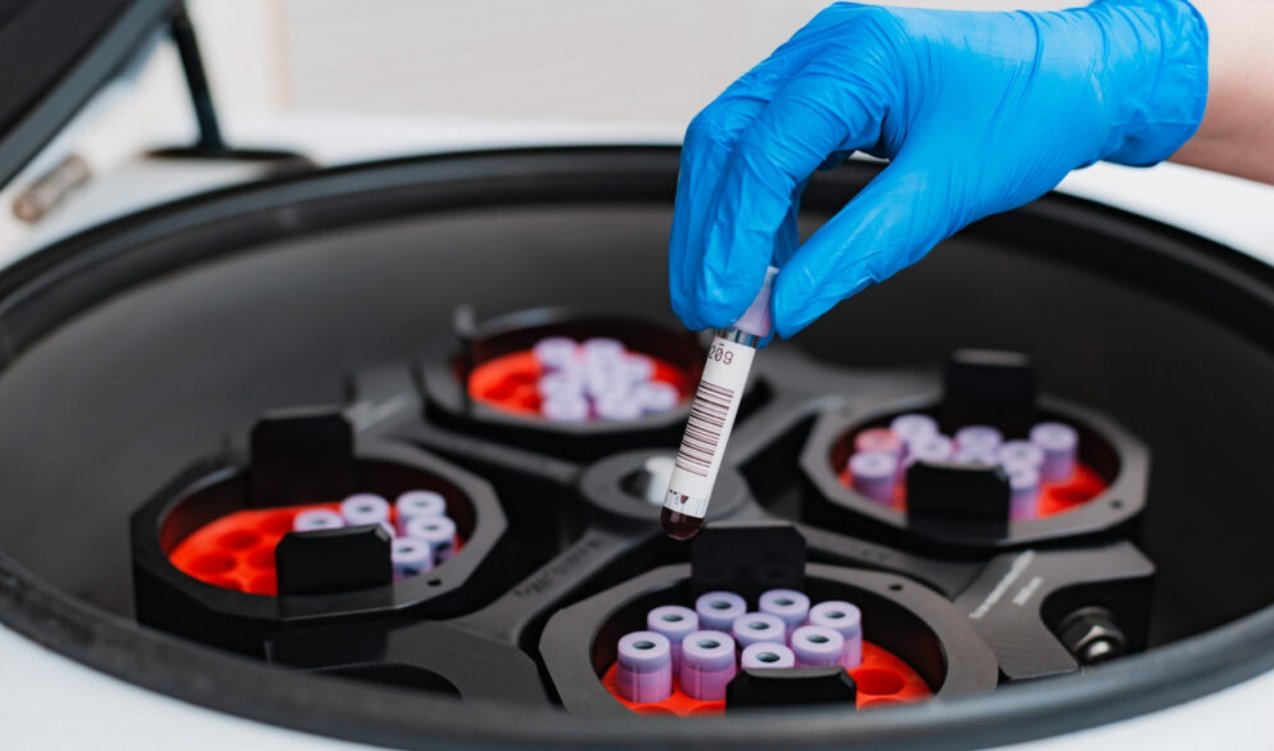
The Indian laboratory centrifuge market is poised for growth, with a valuation projected to increase from $46 million in 2025 to $58.8 million by 2030, according to MarketsandMarkets. This growth, at a compound annual growth rate of 4.2 percent, highlights a shift in focus from cost to precision and automation in laboratory equipment manufacturing.
As laboratories prioritize safety, reproducibility, and efficiency, Indian manufacturers find themselves at a crossroads. They must determine if they can leverage local support and engineering capabilities to compete in higher-value segments dominated by international suppliers. Pharmaceutical companies, biotechnology firms, and diagnostic laboratories are leading the demand, with automated centrifuges emerging as the fastest-growing product segment.
Domestic manufacturers like Accumax Lab Devices, which produces the Neuation brand of centrifuges, and REMI Elektrotechnik, known for various laboratory application products, must navigate a market that cannot be assessed solely on direct comparisons with imported products. The varied requirements for laboratory equipment mean that competition comes not just from price but also from technology innovation and product performance.
Aanak Goswami, Deputy General Manager – Global Marketing at Accumax Group, pointed out that the price range for centrifuges varies widely—entry-level models start around Rs 15,000, while high-end systems can exceed Rs 5 lakh. Most current demand is driven by routine laboratory and clinical applications, where reliability and cost-effectiveness are critical.
However, to capture the higher-value market segments, manufacturers must improve their offerings. According to Goswami, while local suppliers are historically strong on cost and service, factors such as automation, data connectivity, and lifecycle performance are becoming increasingly important. International brands are already integrating these features into their products, raising the bar for domestic competitors.
There is a growing trend toward automation in laboratory workflows, which may simplify operations and enhance efficiency. Suppliers like Eppendorf and Agilent are leading in this area by providing devices that are part of an integrated laboratory system, illustrating the importance of connectivity in centrifuge technology.
As the market evolves, connecting centrifuges with other laboratory systems is seen as vital. Equipment that can support automation and data management is likely to be favored by many laboratories. For manufacturers, understanding the distinct needs of different customer segments will be crucial to developing products that meet market demands effectively.
In summary, the Indian centrifuge industry faces significant opportunities and challenges. Moving beyond cost-led competition requires a focus on technological advancement, local market understanding, and the ability to deliver higher-value products that align with customer needs. The willingness of domestic suppliers to invest in technology and innovation will determine their success in capturing a greater share of the market as customer expectations continue to evolve.
