




The Sound of Charleston, a unique musical production celebrating Lowcountry history through music, is set to begin its new season on September 9. The program will continue its America 250 Edition, which features a blend of live music and narration, highlighting the historical context behind various musical genres.
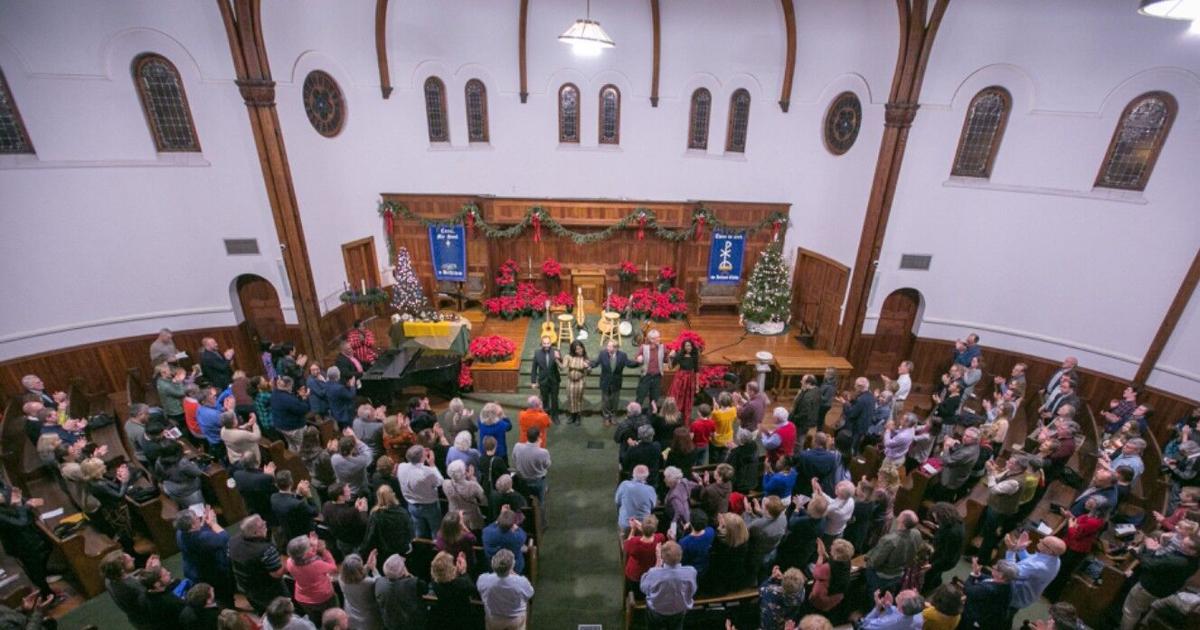
Founded by Bill Perry in 2010, The Sound of Charleston has become Charleston’s longest-running musical production, performing at the historic Circular Congregational Church. Over the years, it has transformed from a show aimed primarily at tourists into a beloved local institution, featuring a rotating cast of professional musicians and drawing audiences for both education and entertainment.
“The concerts summarize the music of Charleston’s history from gospel to Gershwin,” Perry said. The production includes songs that span a diverse array of genres, including gospel, spirituals, Civil War songs, jazz, and works by George Gershwin, whose connection to the region is significant—he spent time at Folly Beach while composing “Porgy and Bess” in 1934.
This season’s highlights within the Piccolo Spoleto festival include five concerts featuring the program “From Gospel to Gershwin” on May 23, May 30, and June 6. Additional performances include an “Oh Happy Day Gospel Concert” on May 24 and “Gershwin and Jazz” on May 31. The gospel concert showcases the Bright Family Singers along with guest artist Ann Caldwell, exploring the rich gospel traditions of the Lowcountry.
The production also incorporates patriotic music as part of its America 250 theme, presenting selections like “America the Beautiful” throughout the season, which runs through December. Perry noted that audience reactions have been overwhelmingly positive, stating, “People walking out [after the show] tell me, ‘This is the best thing we did while we were in Charleston.’”
With many performers having participated for years, Perry describes the cast as “almost like a family.” Each show concludes with a performance of “Amazing Grace,” which holds a special connection to the venue’s history; the hymn’s author, John Newton, worshipped at what was then called the Meeting Street Assembly during his time in Charleston.
The Sound of Charleston’s ongoing efforts to intertwine music and historical narrative continue to resonate with audiences, reinforcing the importance of experiencing the city’s history through its rich musical heritage.
