




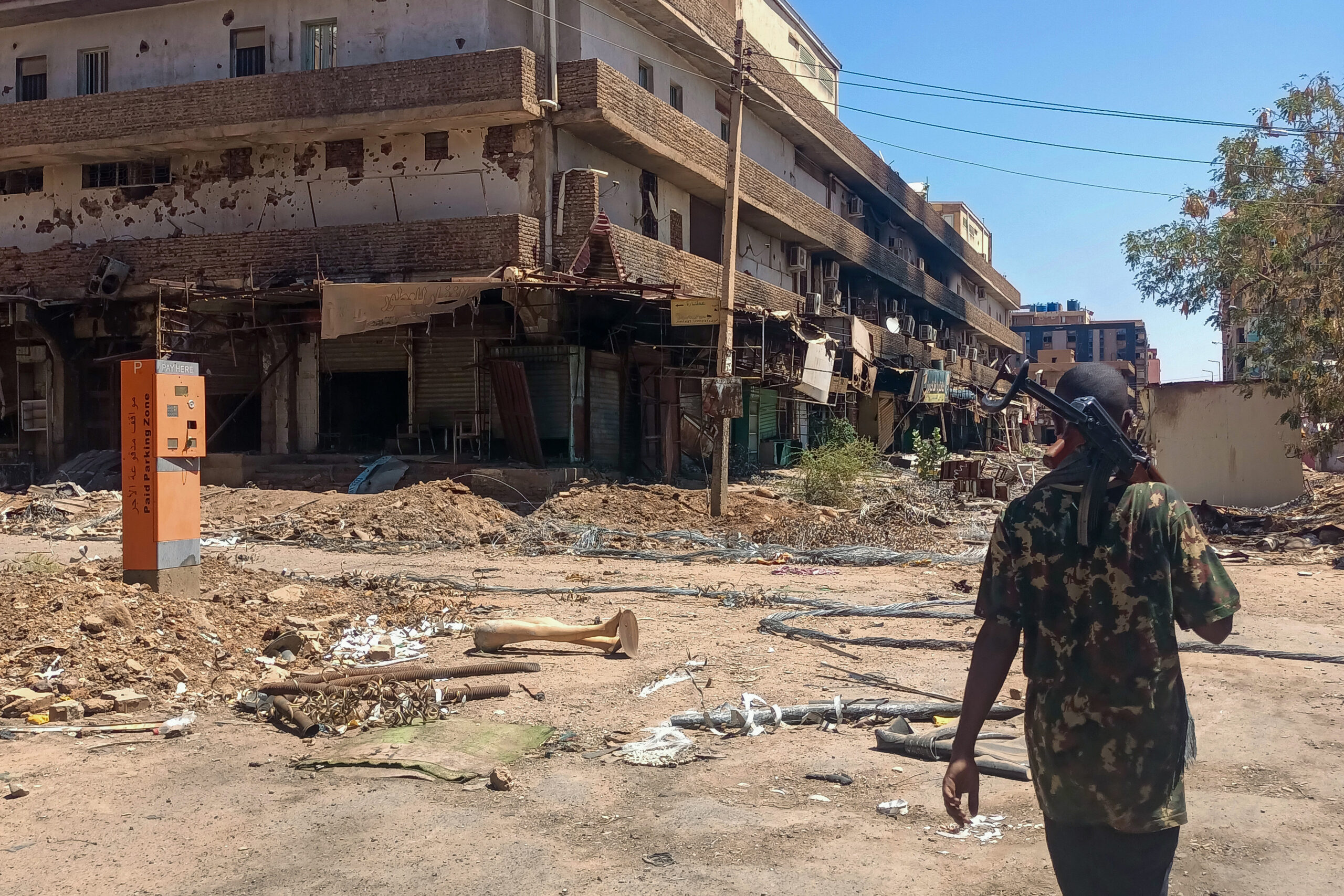
As of November 2026, nearly 164 million people across Africa are experiencing acute food insecurity, a situation that officials attribute primarily to ongoing conflicts and various economic shocks, including the lingering effects of the COVID-19 pandemic and disruptions in maritime trade that have kept food prices high.
This marks the third consecutive year that over 160 million Africans have faced this level of food insecurity, reflecting significant strain on households to secure basic nutrition. Famine conditions are reported in regions of Sudan, South Sudan, and Somalia, which have been heavily isolated by ongoing fighting. In Nigeria’s Borno state, approximately 10,300 individuals are also projected to experience famine conditions. Although Mali is no longer under famine classification, it still grapples with elevated food insecurity amid deteriorating security.
According to the Africa Center for Strategic Studies, conflict is the primary contributor to these alarming levels of food insecurity, with around 82 percent of those affected living in conflict zones. This alarming figure represents nearly three times the number of people facing acute food insecurity in 2019, when about 61 million were affected.
Four countries—Nigeria, the Democratic Republic of the Congo (DRC), Sudan, and Ethiopia—account for 60 percent of the total number of people in Africa facing acute food insecurity. Each of these nations has seen a dramatic increase in food-insecure populations since 2019, ranging from twofold to sevenfold. In Nigeria alone, the number has risen by 6.3 million individuals over the past year, largely due to violent conflicts involving Islamist militants and organized crime.
Moreover, the issue of food insecurity is widespread across the continent, affecting more than 10 percent of the populations in 22 African countries. Notably, four nations—Sudan, South Sudan, the Central African Republic (CAR), and Somalia—have acute food insecurity levels surpassing 30 percent of their populations, with South Sudan having the highest percentage at an estimated 64 percent.
In Central Africa, hunger affects 18 percent of the population, with conflict serving as a central cause. East African nations, particularly Sudan, are under severe strain, with 19.5 million people facing crisis levels of food insecurity. Renewed conflict in Ethiopia has exacerbated conditions, with 15.8 million people now impacted there.
In West Africa, the situation in Nigeria significantly drives food insecurity numbers, while Burkina Faso, Niger, and Mali remain at risk. Southern Africa reports lower levels of acute food insecurity, though countries like Madagascar have seen a staggering increase in food insecurity, particularly following a military coup in October 2025.
The problem is compounded by external shocks, including rising food prices, which have increased by a third since 2019 across the continent. Countries such as Sudan and Nigeria have reported food inflation rates above 15 percent as of June 2026, further straining already vulnerable populations. In addition, this year’s severe El Niño conditions are expected to negatively impact food security in various affected regions, particularly as drought conditions exacerbate the challenges faced by farmers already struggling due to conflict.
