




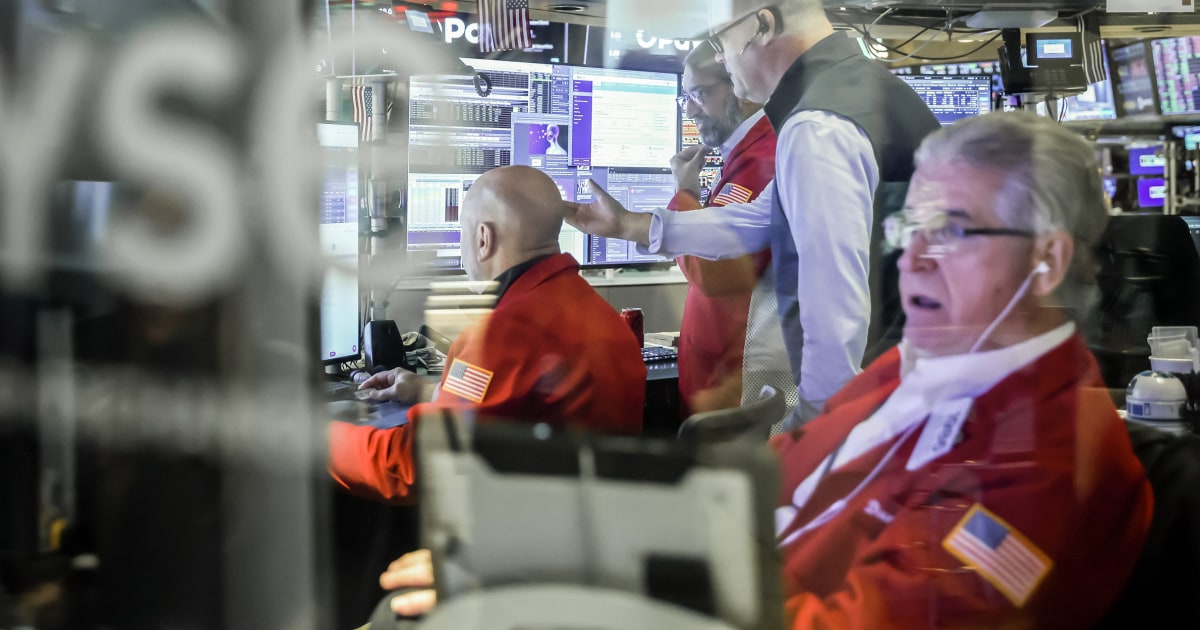
Stocks experienced a significant rebound on Wednesday following decisive victories by Democrats in key elections across the United States, clarifying the control of both the House and Senate. The Nasdaq Composite rose by 1.4%, while the S&P 500 surged 1.58%, marking its most substantial increase since August. The Russell 2000 climbed 1.5%, and the Dow Jones Industrial Average gained 1,569 points, its largest daily rise since April 2025.
Some notable companies, however, did not participate in the rally. Shares of SpaceX and Tesla, both led by Elon Musk, fell more than 3%. Musk had heavily invested in Republican candidates during the midterm elections.
Wall Street reacted positively to the swift election results, which contrasted with previous years when it often took days for outcomes to become clear. George Saravelos of Deutsche Bank expressed that a strong Democratic majority could mitigate extreme policy changes, potentially reducing market risk.
According to Keith Lerner, the chief investment officer at Truist, every midterm election since 1946 has resulted in stock market gains one year later. He noted that the relief of moving past midterm uncertainty often prompts a rally.
Although early results showed a dip in Nasdaq 100 futures, the trajectory shifted sharply by Wednesday. Economists at Goldman Sachs indicated that the Democratic wins may lead to efforts to reverse some of President Donald Trump’s economically disruptive policies, such as limiting the war with Iran and rolling back specific tariffs.
The recent election outcomes could pose challenges for the AI sector. Morgan Stanley strategists warned of a negative shift in sentiment towards AI due to increased expectations for restrictions on data centers. They mentioned that the new Democratic wins at state and local levels might lead to short-term pauses in data center expansion, potentially affecting 45% of planned projects in the U.S.
Several newly elected Democratic governors, including Keisha Lance Bottoms in Georgia and Amy Acton in Ohio, have advocated for moratoriums on data center construction. Texas, a critical state for AI investments, recently elected Democrat Gina Hinojosa, which heightens concerns for the data center industry.
Amidst this backdrop, major tech companies like Amazon, Microsoft, and Alphabet saw stock increases of around 6%, as investors perceived them to be best positioned against potential slowdowns in data center construction. Conversely, shares of Trump Media & Technology Group dropped 25% to an all-time low, reflecting concerns over possible investigations driven by Democratic leadership.
Sarah Bianchi from Evercore predicted that the newly elected Democratic governors in states significant for the U.S. project pipeline will likely enforce new restrictions on data center development, possibly causing turbulence in the investment landscape in 2027. She cautioned against making assumptions before more specific regulatory details emerge.
As the stock market reacts to these developments, attention will inevitably turn to how the new political landscape will shape the future of data centers and the AI industry.
