




African and Gulf sovereign wealth funds are increasingly collaborating to address Africa’s significant infrastructure financing gap, estimated by the African Development Bank (AfDB) to be between $68 billion and $108 billion annually. This shortfall spans various sectors, including energy, transportation, healthcare, and digital connectivity.
Traditionally, the financing challenge had been framed as a responsibility for Western donors and multilateral lenders. However, a new wave of African sovereign wealth funds, such as Nigeria’s Sovereign Investment Authority, Morocco’s Ithmar Capital, and Egypt’s sovereign fund, has emerged as critical institutional investors. These funds are now negotiating with Gulf counterparts like Saudi Arabia’s Public Investment Fund and Abu Dhabi’s Mubadala on more equal terms, forming a cross-regional co-investment network.
This co-investment structure typically begins with a framework agreement that establishes common investment goals and due diligence procedures. Both parties create a special purpose vehicle to pool capital for designated projects, sharing equity contributions while raising additional funds through development finance institutions or commercial lenders. This approach allows African funds to maintain significant roles in governance and execution, leveraging Gulf capital for local projects.
Africa50, an African-led infrastructure platform, has been instrumental in this model, financing projects in sectors ranging from power generation to digital infrastructure alongside Gulf co-investors. The design of such deals intentionally prioritizes local firms in procurement and operational contracts, ensuring African decision-makers remain involved throughout the project’s life cycle.
Gulf funds view the long-term potential of Africa’s infrastructure as promising due to rising population growth, urbanization, and increased domestic consumption. This interest is part of a strategic diversification for these funds as they begin to reduce their reliance on hydrocarbon-based economies. Notable investments have already been made in renewable energy initiatives and transport projects across the continent, with African sovereign funds playing active roles in structuring these transactions.
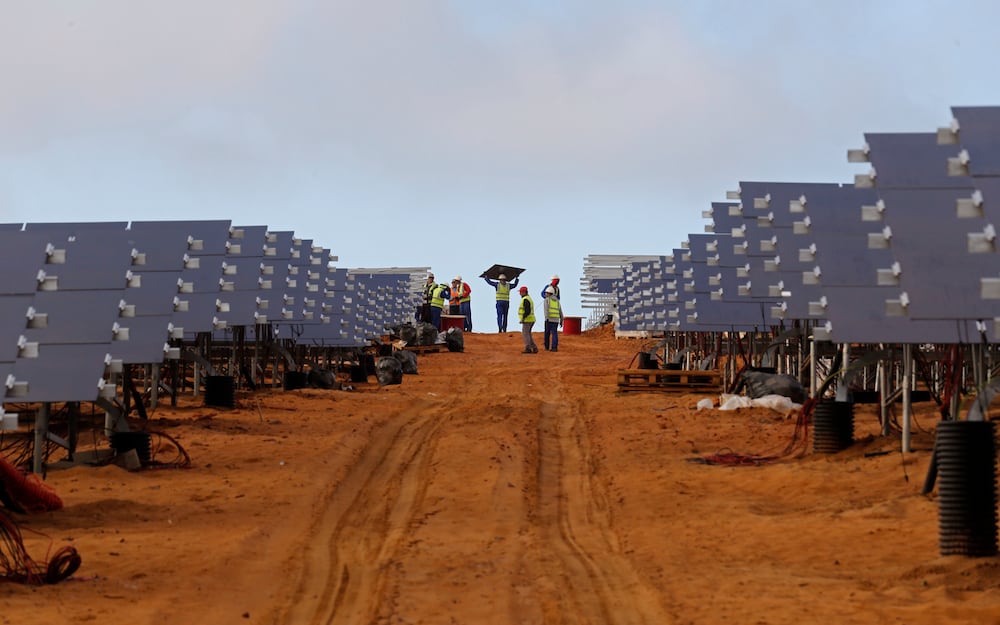
Recently, there has been a growing focus on climate resilience within these infrastructure investments. Both international capital sources and local governments recognize that climate adaptation is essential for sustainable economic growth. Projects now prominently feature design elements aimed at addressing climate impacts, such as solar plus storage systems and adaptable water management solutions.
The potential impact of Gulf capital on local economic development is a primary concern for African governments. Ongoing discussions within the African Union and national investment frameworks emphasize the importance of local content, skills transfer, and procurement practices that prioritize African firms. The ultimate goal is to ensure that infrastructure finance serves as a tool for industrial policy rather than merely a means to deploy assets.
As the collaboration between African and Gulf sovereign funds develops, its future will depend on the ability to deepen local capacity and ownership in these investment agreements. The effectiveness of this partnership will be shaped by the specific terms negotiated by sovereign fund executives in the coming years.
