




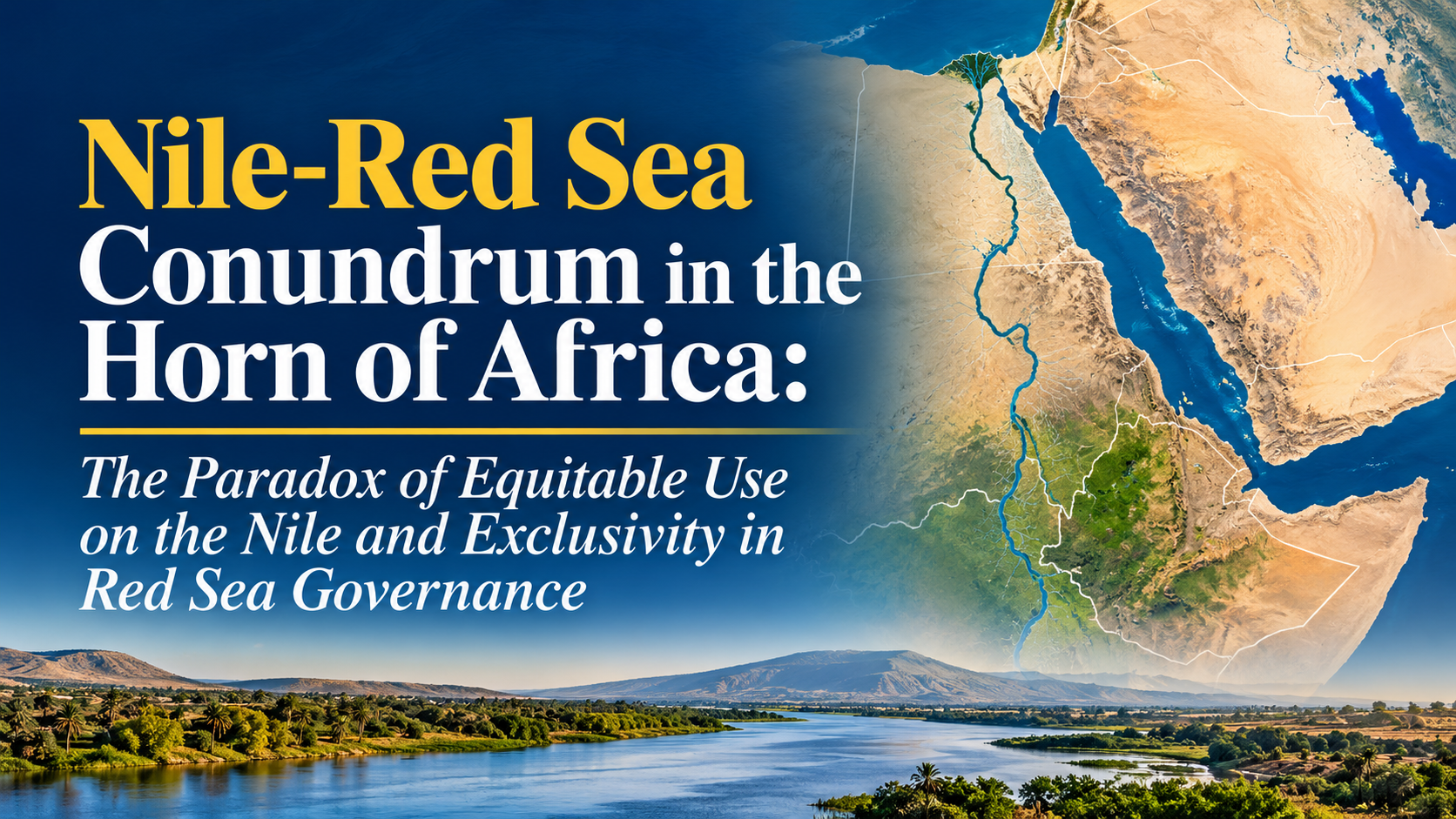
The strategic dynamics between the Nile River and the Red Sea are shaping contemporary geopolitical relationships in the Horn of Africa. This complex situation involves different interests articulated through principles of rights, sovereignty, and regional cooperation among countries linked to these vital resources.
Ethiopia, along with other upstream countries in the Nile Basin, advocates for the equitable use of the river’s shared water resources. It also stresses the necessity of inclusive regional discussions concerning Red Sea governance, given that the stability of this maritime corridor impacts nations beyond its immediate coastal states. Meanwhile, Egypt relies heavily on the Nile for its freshwater supply. Officials in Cairo continue to underscore historical agreements concerning water use and support a governance model for the Red Sea that prioritizes coastal states.
This divergence creates a paradoxical situation where developments in one area inevitably touch upon the other. Ethiopia’s signing of a Memorandum of Understanding with Somaliland in 2024 showcases its pursuit of maritime connections, while regional diplomatic interactions involving Egypt, Eritrea, and Somalia highlight the intertwined nature of these strategic spaces. The inauguration of the Grand Ethiopian Renaissance Dam (GERD) in September 2025 has ushered in a new era in Nile Basin diplomacy, further complicating the regional landscape.
Historically, Egypt’s reliance on the Nile is embedded in colonial-era agreements that established water-use arrangements favoring downstream countries. Ethiopia, excluded from these early negotiations, sees the GERD as crucial for advancing its development goals and economic transformation. It emphasizes responsible utilization of shared resources while recognizing the necessity of cooperation to avoid significant harm to downstream users.
The ongoing tension underscores the need for sustained dialogue and cooperative frameworks, particularly regarding water management, especially during drought periods. As Ethiopia’s growth increasingly depends on maritime accesses, such as through the port of Djibouti, the stakes in the Red Sea’s security and governance become higher. Since Ethiopia became landlocked in 1993, it has recognized that reliable maritime routes are essential for its trade and economic stability.
However, Ethiopia’s absence from key Red Sea governance bodies limits its influence over decisions that have broad implications for its interests. This raises issues around equitable participation in discussions concerning maritime security, especially as new security alliances begin to form.
The complexities surrounding the Nile and Red Sea highlight differing national priorities: Ethiopia insists on the recognition of its upstream rights, while Egypt maintains that its historical water security must be protected. Former U.S. diplomat Tibor Nagy has pointed out this inconsistency, questioning the logic of limiting governance over shared waters to only coastal nations.
To address these challenges, experts recommend a coordinated approach encouraging parallel discussions on Nile and Red Sea matters, recognizing the legitimacy of both upstream and coastal nations’ interests. Initiatives aimed at fostering cooperative governance frameworks that consider the interlinked nature of these strategic regions may lead to enhanced regional stability.
Looking ahead, continued engagement from international bodies, including the United Nations and the African Union, is crucial in promoting complementary governance structures that respect the rights and needs of all nations involved. The intricate balance between equitable resource utilization and cooperative security governance will remain a pressing issue in the Horn of Africa.
