




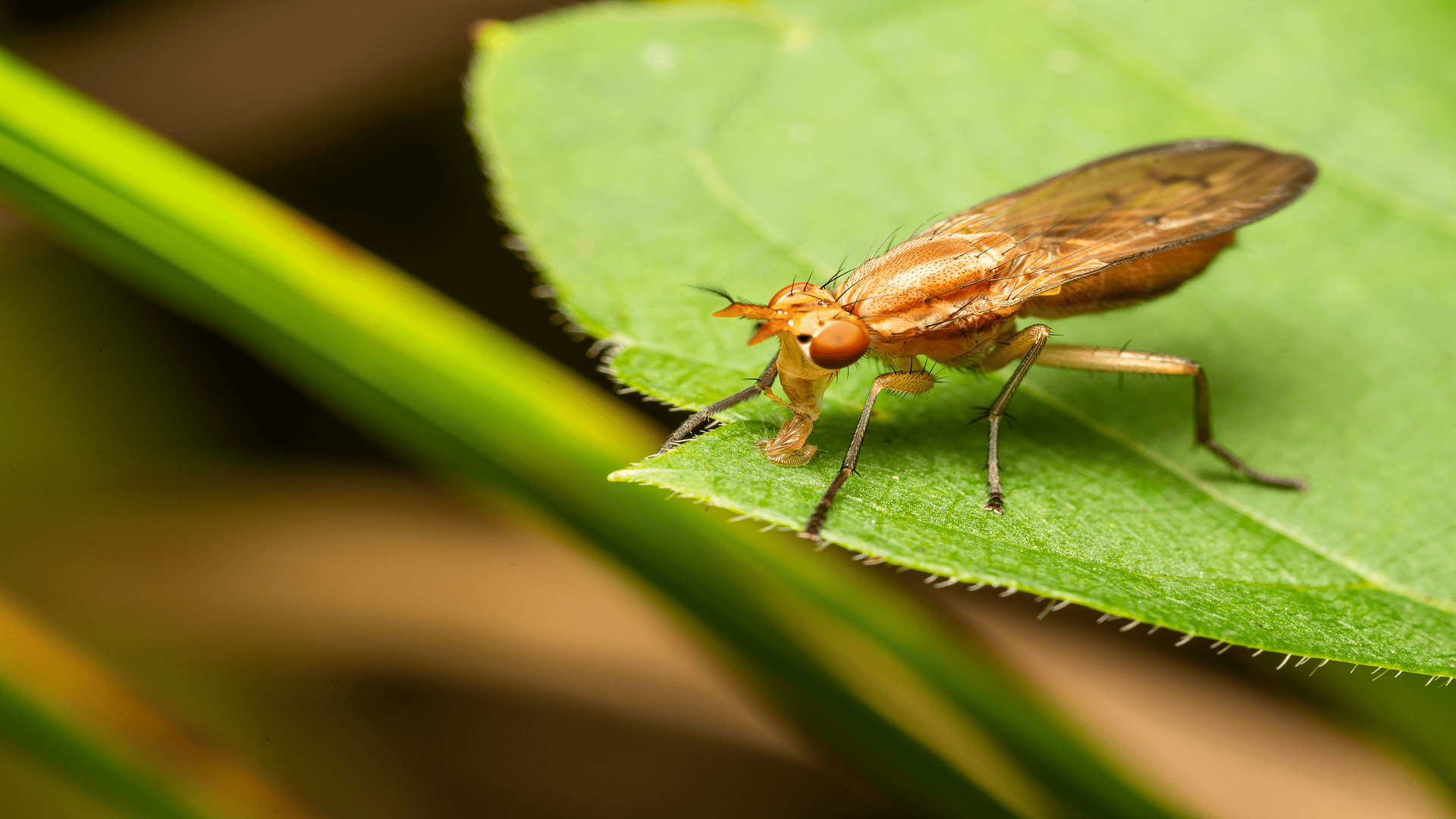
Researchers at the Francis Crick Institute have uncovered a specialized lipid barrier in fruit flies that protects them from dehydration as global temperatures rise. This discovery could provide insights into how insects cope with changing climates.
Fruit flies, known as Drosophila, develop from larvae that primarily feed on decomposing fruit. As they mature, they transition to drier environments and enter a pupal stage where metamorphosis occurs. Prior to this research, the mechanism by which pupae safeguarded against dehydration was not well understood.
The study reveals that adult fruit flies possess a hydrophobic lipid coating made of long hydrocarbon molecules that prevents water loss. During their investigation, the researchers adapted analytical techniques commonly used in the petroleum sector, alongside molecular imaging, to study fruit fly pupae.
Secret to hydration
Contrary to expectations, the researchers found no detectable hydrocarbons on the outer cuticle of the pupae. Instead, they identified a protective barrier lined on the inner side of the cuticle, which contained hyper-long hydrocarbons, significantly longer than those present on adult flies. They also discovered that specialized cells called oenocytes produce these hydrocarbons prior to metamorphosis, storing them in the larval fat body until the pupal stage.
Clare Newell, co-first author and principal laboratory research scientist at the institute, noted the vulnerability of the immobile pupal stage, which cannot escape to cooler, less dry surroundings. “It’s fascinating that the larva prepares for this challenge before metamorphosis,” she said, highlighting the significance of the hydrocarbons. The study identified an essential enzyme responsible for developing the lipid barrier, which protects the pupae from water loss in hot and dry conditions.
The researchers emphasized that Drosophila can only thrive within specific environmental limits. They found that longer hydrocarbons contribute to increased dehydration resistance, whereas shorter hydrocarbons were more volatile and served as airborne chemical signals. Across six fruit fly species studied, five showed a trend toward shorter hydrocarbons in adulthood, but the desert species Drosophila mojavensis maintained the hyper-long hydrocarbons, likely due to the critical need for dehydration resistance in arid climates.
Climate change impacts insects
Furthermore, the researchers indicated that while the lipid barrier protects Drosophila melanogaster during metamorphosis, it may not suffice to prevent lethal dehydration under extreme heat and low humidity conditions, raising concerns about the impacts of climate change on these insects. The study warned that the temperature and humidity levels adverse to D. melanogaster are prevalent in many global regions, which could hinder their ability to adapt as climate change accelerates.
Alex Gould, the group leader of the Physiology and Metabolism Laboratory at the Crick and senior author of the study, highlighted the importance of understanding insect resilience amid changing environments. “Insects are vital to life on Earth, pollinating three-quarters of global food crop species,” he stated, emphasizing the relevance of this research to global food security. The findings were published in the journal Science Advances.
