




Bobby Pulido, an incoming member of the U.S. House of Representatives, took to the stage at the Latin Grammys to accept the award for best Tejano album on Thursday. This marked his third win in the category, but it was notably his first since winning a hard-fought campaign in Texas’ 15th Congressional district just a week prior.
During his acceptance speech, Pulido, a Democrat, confirmed his retirement from a significant music career while expressing his pride in representing both the political and musical heritage of Texas. “I have so much pride to be from Texas, to be Tejano, and to represent this music,” he stated.
Pulido’s moment at the ceremony highlighted a resurgence of political themes at this year’s Grammys, which took place in Las Vegas. Various artists used their platforms to call for international unity and representation within the Latin American diaspora. The event took a stark turn from a decade ago when the Latin Grammys faced criticism for limiting political discourse on the red carpet.
Past ceremonies have seen artists tackle racism in American politics and highlight human rights issues in their home countries. A policy implemented in 2016 curtailed overt political advocacy during the awards for some years, but the recent midterm elections, marked by historic milestones for representation, appear to have reignited political engagement among attendees.
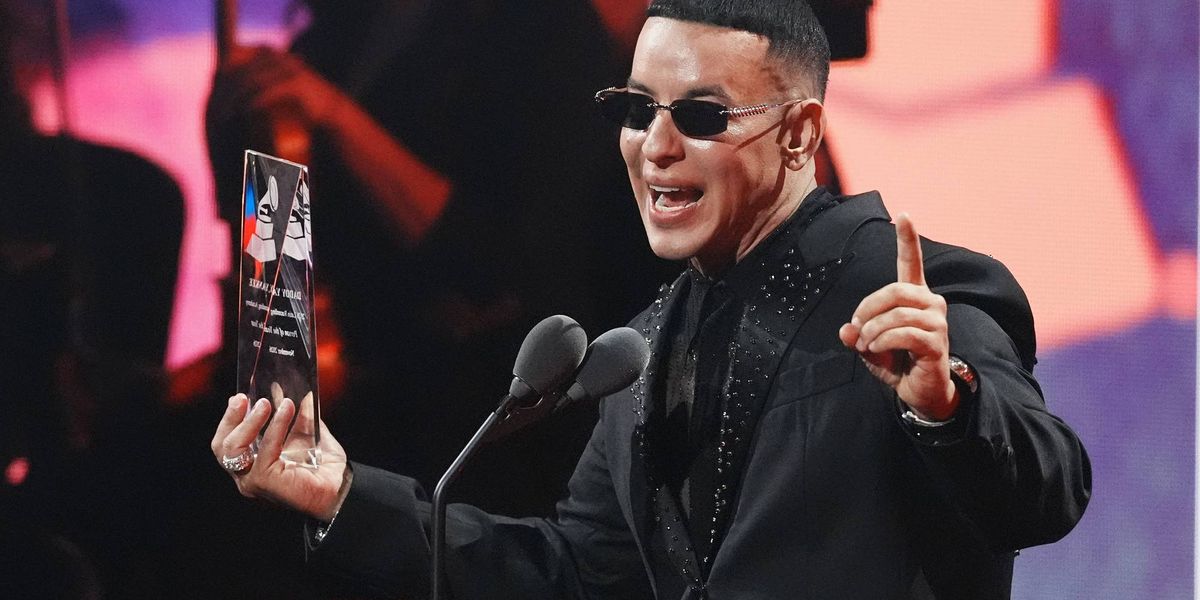
Alongside Pulido, Daddy Yankee delivered a passionate performance while accepting his award as Person of the Year, donning a cape adorned with the Puerto Rican flag. He remarked on the importance of Puerto Rico’s culture and presence, stating, “Puerto Rico isn’t small. The map is small.”
Mexican folk artist Silvana Estrada also underscored the essential role of musicians in advocacy today. “Artists should step forward without fear and say what we think, because that’s how we encourage the people who follow us,” she stated after receiving the award for best singer-songwriter song for her single “Dime.”
In an especially notable moment, Brazilian singer Anitta’s win for best pop contemporary Portuguese album was marked as the first-ever award in that category presented during the televised ceremony. Anitta called for unity in Latin America, emphasizing the need to uplift Black culture in Brazil that has historically faced erasure.
The Latin Grammys organization did not immediately respond to requests for comment following the event. As political landscapes shift across Latin America, the interplay between music and advocacy remains a significant theme at the forefront of many artists’ messages.
