




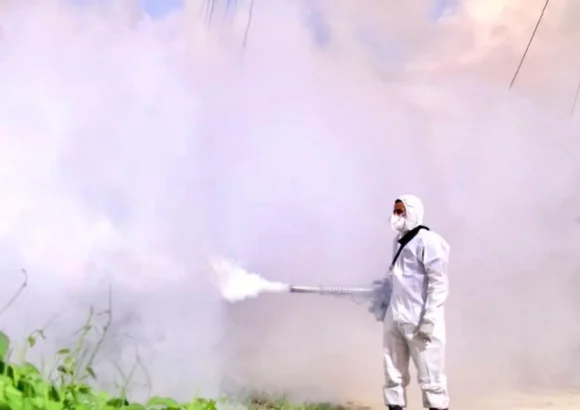
The Dominican Society of Infectology (SDI) has raised alarms over a significant rise in dengue and leptospirosis cases in the Dominican Republic, exacerbated by recent rains and floods. In a public statement, the organization highlighted that the country’s Epidemiological Bulletin number 43 from the Ministry of Public Health has reported 612 confirmed cases of dengue. This total is notably higher than the 273 cases recorded in the same timeframe in 2022.
As for leptospirosis, the SDI reported 305 cases and 21 fatalities, prompting the need for enhanced prevention and health surveillance efforts. The society is urging families and communities to eliminate unused containers that can collect water, such as tires, bottles, and cans, to mitigate mosquito breeding.
The SDI further recommended maintaining cleanliness in outdoor spaces, including patios, yards, roofs, and gutters. It advised covering water storage tanks and cisterns, cleaning their interiors, and using chlorine in accordance with health guidelines. To minimize mosquito bites, people are urged to use repellents, mosquito nets, and wear protective clothing.
Leptospirosis Prevention Measures
The SDI also addressed leptospirosis prevention, advising the public to avoid contact with floodwaters and mud. If exposure is unavoidable, it suggested wearing waterproof boots and gloves, particularly if there are open wounds. Additionally, the society emphasized the importance of drinking safe or treated water, practicing good hand hygiene, and discarding food items that may have come into contact with contaminated water.
Individuals experiencing symptoms such as fever, headaches, muscle pain, nausea, or general malaise after exposure to mosquitoes or contaminated water should seek medical attention. The SDI specifically warned that severe abdominal pain, persistent vomiting, bleeding, difficulty breathing, decreased urination, or worsening health after fever subsides requires immediate medical care.
Furthermore, the organization cautioned against self-medication, particularly with medications like aspirin, ibuprofen, and diclofenac during dengue treatment, and warned against using antibiotics without medical guidance. The SDI emphasized that collective action among families, communities, and health authorities is essential to minimize transmission risks and safeguard public health.
