




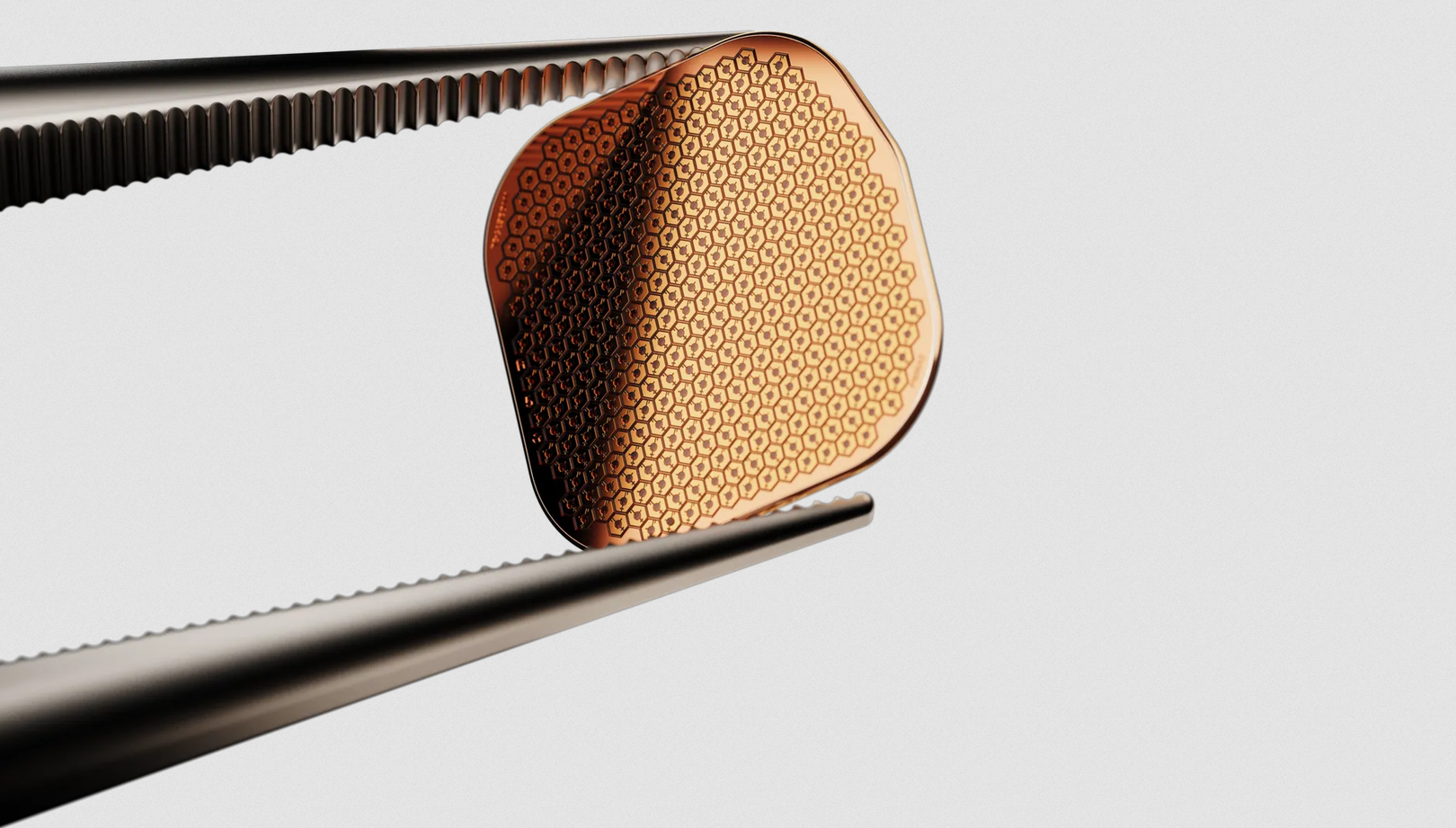
Science Corp., a brain-computer interface company, has announced that it has secured $400 million in a Series D funding round, elevating its valuation to $3.5 billion. The funding was disclosed in a blog post on Monday and led by Khosla Ventures, with participation from the Ackman Oxman Institute, Tenet Healthcare, 885 Capital, Y Combinator, and PLC Neurotech. This round marks one of the initial investments for the Ackman Oxman Institute, which was established by hedge fund billionaire Bill Ackman and his wife Neri Oxman earlier this year.
The funds will support the launch of Science Corp.’s flagship product, PRIMA, in the U.S. market, following its success in Europe. PRIMA is a specialized chip designed for implantation in the eyes of patients suffering from age-related macular degeneration (AMD), a leading cause of vision loss among the elderly. The device, paired with specially designed glasses, has been approved in several European countries, assisting patients in restoring partial vision.
Currently, PRIMA is being utilized in Germany, with multiple surgical procedures already scheduled for additional patients. The device is also expected to be made available in Italy, France, and the U.K. soon. Science Corp. aims to offer the device at Moorfields Private Eye Hospital in London, although the cost for patients opting to pay out of pocket has not been disclosed.
In the United States, PRIMA is under review by the Food and Drug Administration (FDA). Max Hodak, the company’s founder and CEO, previously with Neuralink, expressed hope in an interview with Bloomberg that PRIMA could be available to U.S. patients by early next year. The device is streamlined through the FDA’s Humanitarian Device Exemption pathway, which facilitates quicker approvals for experimental medical technologies addressing rare conditions. While AMD affects many, Hodak noted that cases of it impacting both eyes are less common.
Looking ahead, Science Corp. plans to expand PRIMA’s use to treat Stargardt’s disease and retinitis pigmentosa, both of which can lead to blindness. The PRIMA device operates with 378 pixels, each equipped with microelectrodes that stimulate retinal cells when activated by infrared light from the patient’s glasses. These glasses feature a camera that captures the user’s environment and transmits the necessary signals to the implant.
Beyond PRIMA, Science Corp. is also advancing another innovative technology known as Biohybrid. This implant directly connects to the brain and combines cultured neurons with silicon chips to interface with the brain’s circuits. While this device has only been tested on animals so far, the company expects to initiate human clinical trials within the next 16 months, having recruited Yale neurosurgery professor Murat Günel, who sees potential for Biohybrid in treating conditions like Parkinson’s disease.
