




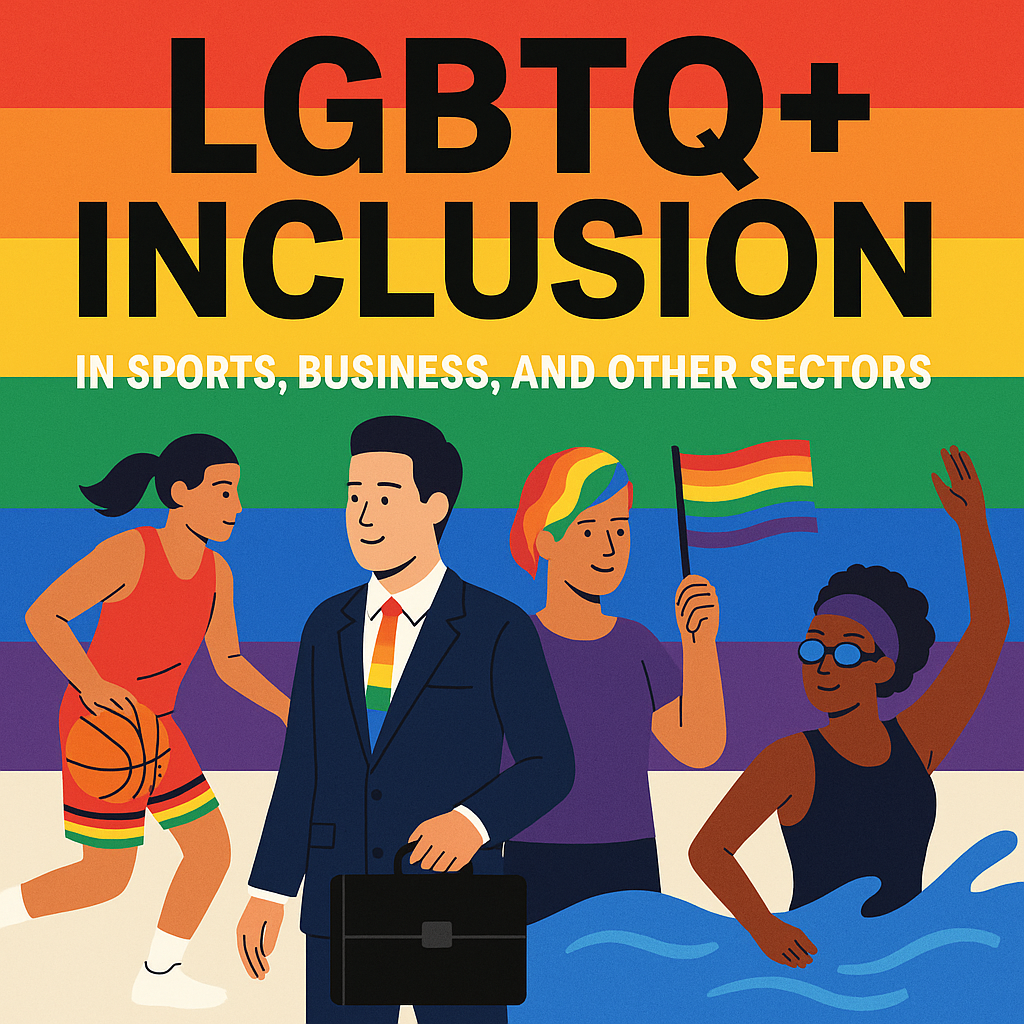
BPROUD, Bloomberg’s LGBTQ+ employee network, hosted a panel discussion in honor of Pride Month, focusing on the theme of LGBTQ+ inclusion within sports. The event took place to foster dialogue about the importance of visibility and belonging in athletic environments while also relating these themes to the broader finance sector.
Panel Discussion Highlights LGBTQ+ Inclusion
The panel brought together a diverse group of LGBTQ+ voices from the sports community. Participants shared their personal narratives and provided insights into effective strategies for promoting inclusion within sports. The discussion emphasized critical elements such as representation, allyship, and accessibility, along with the resilience required to overcome challenges faced by LGBTQ+ individuals.
Attendees were encouraged to consider how organizational culture could directly influence performance, participation, and overall well-being. The panel underscored the significance of teams, leaders, and organizations in nurturing environments where all individuals feel acknowledged and empowered to excel.
The event culminated in a networking session, enabling attendees to engage directly with panelists, as well as connect with colleagues and guests. This informal gathering aimed to extend the discussions beyond the panel and encourage ongoing collaboration among attendees.
By creating a platform for these important conversations, Bloomberg aims to reinforce the need for inclusive practices not only in sports but also across various sectors including finance. The event served as a reminder of the integral role that diversity plays in fostering innovation and improving workplace culture.
As discussions on LGBTQ+ inclusion continue to gain traction, events like this highlight the vital intersections between sports, business, and community. The insights shared by the panelists aim to inspire ongoing commitment to creating equitable and supportive environments for everyone.
Why It Matters
Promoting LGBTQ+ inclusion in sports and professional environments contributes to a culture of acceptance and support. By addressing these issues, organizations can enhance performance and foster a sense of belonging, ultimately leading to a more productive and innovative workplace.
