




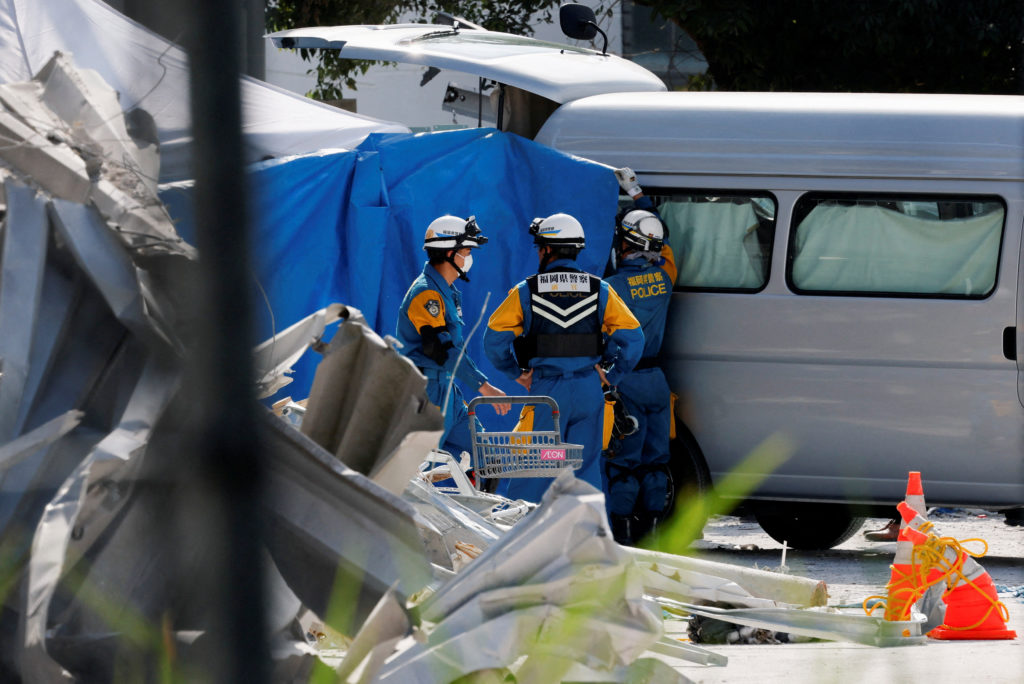
KUMAMOTO, Japan — Rescue efforts are ongoing in southwestern Japan following a magnitude 7.1 earthquake that struck the Kumamoto region on Tuesday, resulting in at least 25 confirmed fatalities. The quake has displaced many residents, prompting them to seek refuge in evacuation centers, classrooms, and vehicles while they assess the damage and attempt to return to normalcy.
As of Thursday, the total number of injured individuals stood at 86, with five sustaining serious injuries. The Kumamoto prefectural government reported that an additional nine deaths are under investigation for possible connection to the earthquake. The situation remains precarious, with the number of missing persons remaining unclear.
Community Response and Shelter Conditions
Residents are managing difficult living conditions as they spend nights in makeshift shelters amidst power outages. Nearly 19,000 homes are still without electricity, and over 9,000 individuals have found shelter in approximately 400 centers set up in schools and public spaces. Local authorities have implemented measures to provide air conditioning in these centers due to rising temperatures exceeding 33°C (91°F).
In the town of Hikawa, many individuals are opting to sleep in their cars or tents rather than return to damaged homes or stay in larger evacuation centers. Hirokazu Sato, a nurse whose home was destroyed, has expressed concerns about staying in a shelter due to the discomfort it poses for his family, particularly for his young child. Meanwhile, Yoshiaki Nakashima, 66, has chosen to remain in his vehicle, citing anxiety from aftershocks.
Local officials have been distributing bottled water and food supplies to those affected. However, reports indicate a dwindling stock of emergency food items, necessitating continued outreach for aid. Yutaka Kobayashi, a physician from Aichi prefecture, has been monitoring the health of evacuees, particularly vulnerable populations like the elderly, to mitigate risks associated with heatstroke and dehydration.
Ongoing Rescue Efforts
The earthquake caused significant destruction, with the Aeon Mall in Kashima suffering major structural damage. Seven bodies have been recovered from the mall’s site, where the second floor collapsed during the tremor. Emergency responders are utilizing heavy machinery to search for additional victims amidst the wreckage.
In the Yatsushiro area, a collapse at a Nippon Paper Industries factory resulted in rescues and fatalities. Eight individuals have been confirmed dead there, with one still reported missing. Prime Minister Sanae Takaichi addressed the situation, stating that the government is coordinating rescue efforts and prioritizing the restoration of essential services such as electricity, gas, and water in the affected areas.
Why It Matters
This earthquake presents significant challenges for the local community as they navigate recovery and emergency responses. The situation underscores the need for coordinated efforts in disaster management, particularly in ensuring health and safety for displaced residents while addressing infrastructure damage.