




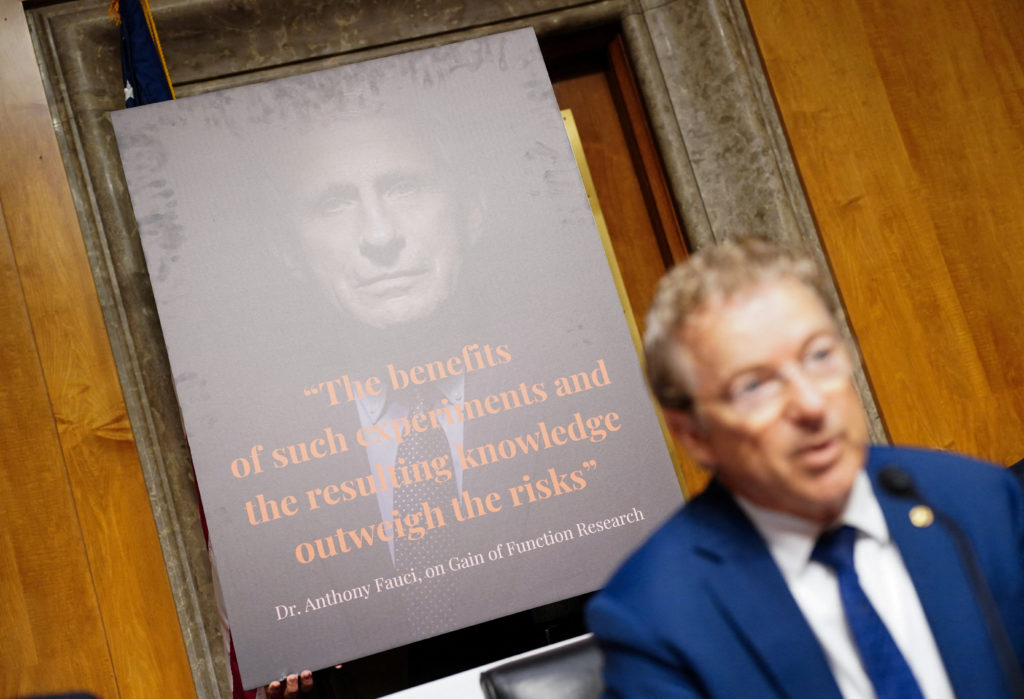
Senator Rand Paul, leading a Republican-dominated committee, is set to vote this Thursday, August 5, on whether to hold Dr. Anthony Fauci in contempt of Congress. This move follows Fauci’s invocation of the Fifth Amendment during a hearing focused on his role in managing the COVID-19 pandemic. The hearing, which took place last week, saw Fauci decline to answer multiple questions from lawmakers, raising questions about his constitutional rights against self-incrimination.
Committee’s Action on Contempt Vote
The Senate Committee on Homeland Security and Governmental Affairs is expected to conduct the vote at 8:30 a.m. EDT. If the committee finds Fauci in contempt, it may refer the matter to the Justice Department for further action. Republican senators argue that a presidential pardon Fauci received from President Joe Biden last year negates his Fifth Amendment protections, asserting that his claims of privilege lack substantiation.
Legal experts, however, contend that Fauci had legitimate reasons to invoke the Fifth Amendment. Concerns over potential state prosecutions and previous questions raised by Donald Trump’s administration regarding the legitimacy of Biden’s pardons may have contributed to Fauci’s decision to protect himself legally. Testimony from Fauci could trigger investigations into possible false statements, which have been a common occurrence involving perceived adversaries of the current administration.
Mark Osler, a law professor at St. Thomas University, emphasized the significance of this case for future congressional testimonies from pardoned individuals, especially concerning the possibility of similar pardons being granted by Trump to members of his administration.
Senator Paul’s committee plans to swiftly transmit the referral directly to the Justice Department, bypassing the full Senate vote due to insufficient Republican support for a resolution in the 100-member chamber.
Dr. Fauci, who has served more than five decades with the National Institutes of Health, was among several figures pardoned by Biden before he left office. The clemency covers past actions up to January 2025, yet critics suggest that it does not absolve him of future legal risks, particularly if false statements arise in the context of congressional testimony.
During this contentious period, Fauci has characterized Paul’s push for a contempt vote as politically motivated, claiming that Paul aims to provoke a criminal prosecution against him. Legal experts have noted that despite being pardoned, Fauci may still have reasonable grounds to fear prosecution, especially given the legal uncertainties surrounding his pardon.
This situation underscores the ongoing complexities regarding the congressional authority to compel testimony and the implications for parties involved in future political investigations.
Why It Matters: The developments surrounding Dr. Fauci’s contempt vote illuminate significant legal and political challenges regarding congressional oversight and the limits of presidential pardons. The outcomes may set critical precedents for how similar cases are handled in the future, impacting both current and former officials called to testify before Congress.