




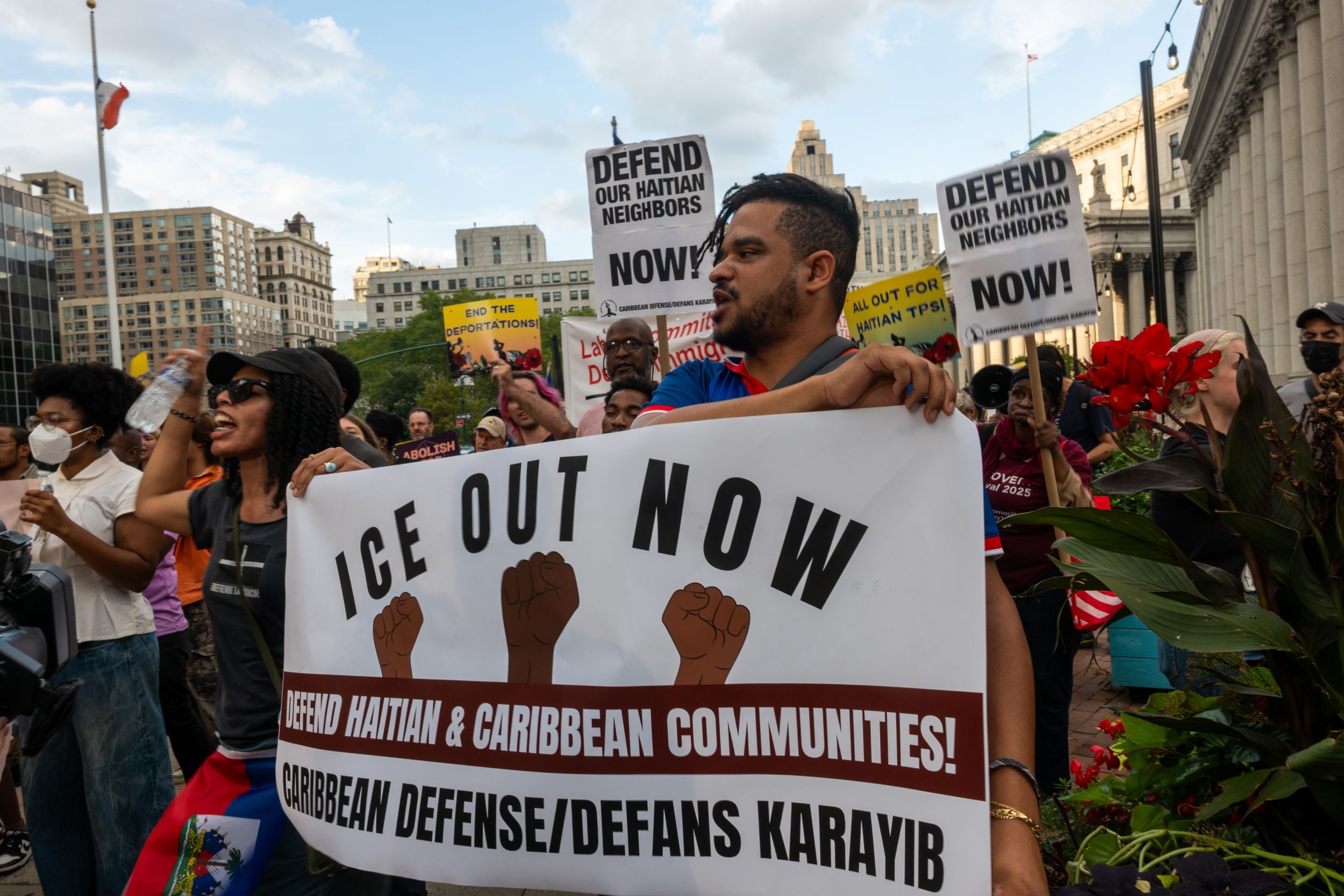
The U.S. government is poised to significantly increase deportation flights to Haiti amid a worsening humanitarian crisis. Recent internal records show plans to escalate these flights from approximately one per month to as many as one per week, potentially resulting in several hundred Haitians being removed from the U.S. each month. This shift comes in the context of escalating gang violence and the loss of legal protections for many Haitians amid a deteriorating security situation in their home country.
Details on Flight Operations and Demographics
The initial increase in deportation flights became apparent with a charter landing in Haiti on August 20 that transported 161 individuals, as confirmed by Jean Négot Bonheur Delva, the director general of Haiti’s National Office of Migration. This flight included individuals who had never lived in Haiti, including some born in other countries, raising concerns about the implications of their forced removal. A subsequent flight carried families, including U.S. citizens born to Haitian parents, further highlighting the complex nature of these deportations.
This uptick in deportation activity coincides with the formal expiry of Temporary Protected Status (TPS) for Haitians on July 27, which had provided legal protections since the devastating earthquake in 2010. Following a Supreme Court ruling, the U.S. government ended TPS for Haitians, affecting an estimated 350,000 individuals who previously held this status. The influx of deportees is expected to continue despite broader warnings from the U.S. State Department against travel to Haiti due to rampant gang violence and instability.
Urgent Concerns in South Florida
South Florida, home to a large Haitian community, is particularly concerned about the implications of these deportations. The region is estimated to be home to approximately 160,000 residents who have lost their TPS status. Local leaders and advocates express grave concerns about the safety of returning individuals to Haiti under the current conditions, with many fearing for their lives. This anxiety is compounded by legal complexities related to mixed-status families, where U.S.-born children lack Haitian passports needed for travel.
Local community leaders, including Father Reginald Jean-Mary from the Notre Dame D’Haiti Catholic Mission, have reported a decline in church attendance as families grow increasingly fearful. Calls for the U.S. government to reconsider its stance have intensified, with advocates urging Congress to act to protect Haitians from deportation in light of the dire circumstances in Haiti.
Why It Matters
The decision to increase deportation flights to Haiti amidst such significant unrest raises critical humanitarian and legal questions. As the flow of deportees increases, local communities in the U.S., particularly in South Florida, face profound social and economic impacts. The situation warrants close monitoring as it develops, especially considering the continuing violence and instability in Haiti.
