




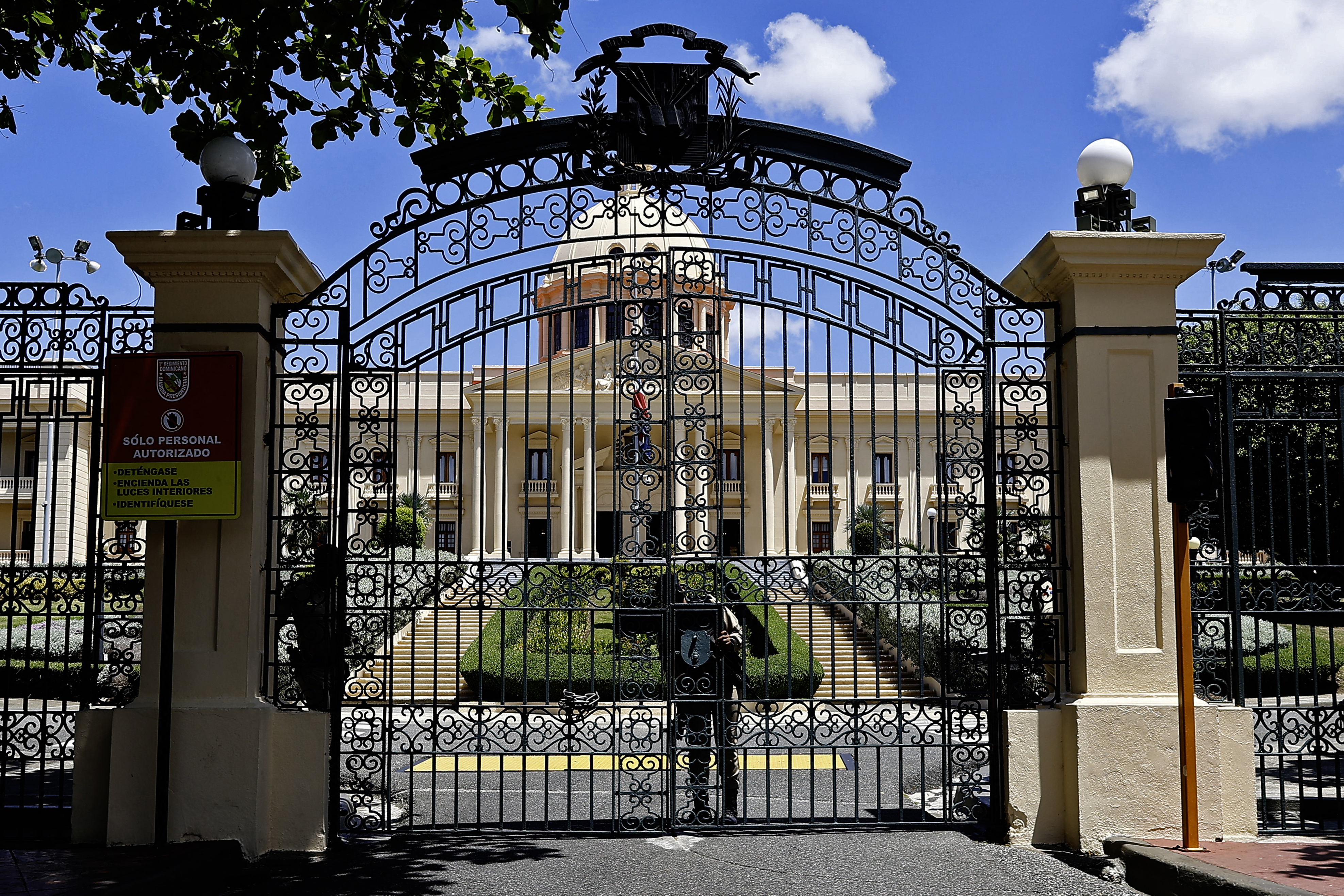
The Dominican Republic is preparing to host the 22nd International Anti-Corruption Conference from December 1 to December 4, 2026, in Punta Cana. This marks the first time the event will occur in the Caribbean. However, the timing of the summit has raised questions, as the country is still finalizing its first comprehensive national anti-corruption strategy.
Challenges in Anti-Corruption Efforts
Approximately 2,000 delegates from around 140 countries are expected to attend the gathering, which is themed “Igniting the Power of Integrity.” The General Directorate of Ethics and Government Integrity (DIGEIG) is currently completing the national anti-corruption strategy, a project initiated with the Organization for Economic Cooperation and Development (OECD) in 2025.
DIGEIG has conducted two separate public consultations in 2026 aimed at enhancing national integrity and informing the conference’s agenda. The first consultation on the National Public Integrity Strategy covered multiple policy areas and gathered input from various provinces. The second, which runs until September 25, is designed to contribute to thematic sessions during the conference.
Enforcement of anti-corruption measures remains a critical concern. A significant fraud case involving the National Health Insurance Agency (SeNaSa) has escalated, with prosecutors launching Operation Cobra 2.0-A, resulting in 28 arrests, including doctors. The ongoing investigation has revealed a scheme worth nearly $250 million, with allegations of extensive bribery within the healthcare system.
Discrepancies in Effectiveness
According to OECD data, while the Dominican Republic meets most international benchmarks for anti-corruption laws, it struggles with enforcement. The country reportedly achieves 90% compliance on political-finance regulations, but enforcement falls to just 14%. This disparity highlights the ongoing challenges in translating regulatory frameworks into effective practice.
The Central Electoral Board is also working towards greater transparency by pursuing ISO 37001 certification, an international anti-bribery management standard. The electoral board’s recent initiatives reflect a determination to improve integrity within the electoral system, although past performance has seen a significant gap between regulatory compliance and practical application.
Why It Matters
The outcomes of the upcoming conference and the continued efforts to combat corruption are critical for restoring public trust in government institutions. For many Dominicans, especially those living abroad who contribute significantly through remittances, the effectiveness of these measures will impact their economic well-being and the country’s future stability.
