




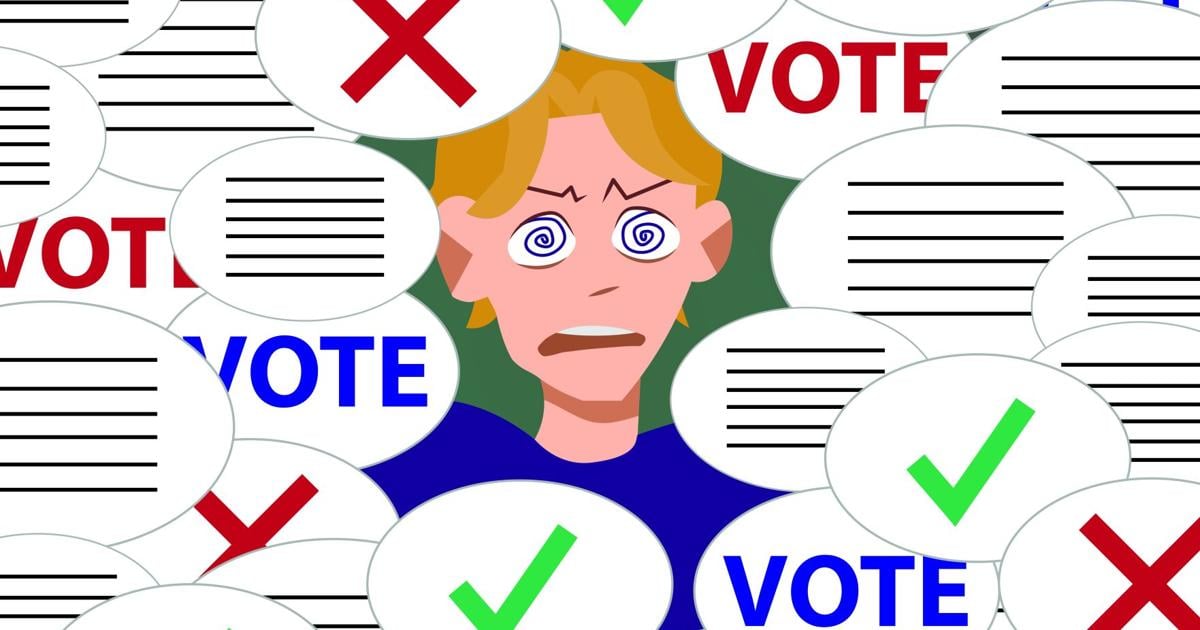
As election day approaches, many Americans are preparing for the inundation of political data analysis that accompanies the event. Newsroom analysts, notably Steve Kornacki of NBC, have gained popularity for their detailed interpretations of polls, approval ratings, and prediction market odds, becoming key figures during electoral coverage.
According to analysts, their role is to bring clarity to a complex and often unpredictable political landscape. However, this addiction to data influences the way Americans engage with politics, turning it into a spectator activity akin to sports. Voters frequently reference polling data in discussions, likening the dynamics of political races to the performance of sports teams.
This election cycle, Kornacki has introduced “Kornacki Cam,” a live analysis stream on election night that has captivated hundreds of thousands of viewers. Critics, however, note that the relentless focus on data often adds to the stress viewers experience while awaiting election results. The show culminates in hours of real-time number crunching and interpretations of what the latest figures imply for candidates.
Despite the emphasis on data, there is a lack of exploration into the underlying reasons behind political trends. Analysts focus largely on what the numbers mean for candidates, neglecting deeper inquiries into voter behavior and turnout fluctuations. Polls offer a glimpse into public sentiment but are often treated as definitive truths, despite their inherent limitations.
Many argue that this reliance on data leads to a risk-averse political environment where candidates shy away from bold ideas that do not align with polling results. This has contributed to what observers describe as a lack of ambition in political platforms and a stagnation in substantive governance.
Moreover, the introduction of speculation markets for political outcomes has blurred the lines between politics and gambling. Platforms like Polymarket and Kalshi have increased in popularity, allowing users to bet on election results similar to sports wagering. CNN’s recent partnership with Kalshi exemplifies this trend, with odds now regularly featured during political coverage.
In conclusion, while data provides valuable insights into public opinion, critics contend that an overreliance on it diminishes the complexity of political discourse. As new developments unfold, the challenge remains to prioritize deep analysis over mere numerical interpretation to capture the nuances underlying political change.
