




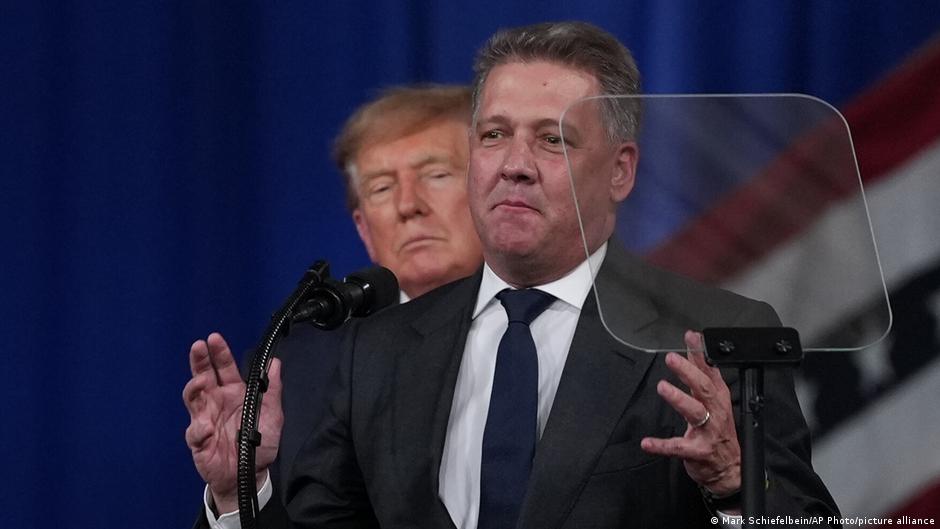
Gernot Döllner, the CEO of Audi, is facing backlash following his appearance alongside U.S. President Donald Trump at a campaign rally in Georgia, where Trump announced a new $4 billion Audi factory in the state. German union leader Christiane Benner of IG Metall criticized Döllner’s actions as “deeply embarrassing” and “politically unacceptable,” stating that they violate the company’s political neutrality rules.
Benner highlighted that Audi’s code of conduct, which Döllner signed in April, prohibits executives from participating in events or appearances with election candidates within three months of a vote. She expressed concern that Döllner’s appearance could harm Audi’s reputation and suggested that it could undermine the interests of the company’s employees.
At the rally, Trump indicated that the new Audi plant would produce approximately 200,000 vehicles annually, primarily large SUVs. However, Benner cautioned that the project’s approval is still pending, stating that the final decision will rest with Volkswagen’s supervisory board, which must consider the broader implications for German operations. She urged that employee representatives seek assurances for job stability in Germany and emphasized the need for a North American strategy that does not compromise employment in Germany.
As the controversy unfolds, Audi’s management will likely have to address the domestic and international implications of Döllner’s actions and the anticipated expansion into the U.S. market. With the growing focus on ensuring equitable trade relations and maintaining a loyal workforce in Germany, the situation raises important questions about corporate governance and political engagement in the automotive industry.
