




Australia Urged to Engage with African Nations on Mineral Sovereignty
Africa’s increasing demand for control over its mineral resources presents a national security challenge for Australia, according to recent discussions among government officials and industry leaders. Experts emphasize the need for the Australian government to engage directly with African nations and regional entities, rather than leaving its interests in the continent solely to private companies.
The call for greater coordination comes ahead of the African Minerals Policy Forum held in Accra, Ghana, from October 19 to 21. This forum focused on “mineral sovereignty,” a concept that promotes African governments deciding the terms of mineral extraction and processing. This shift in policy could significantly impact companies like Australia’s Perseus Mining, which operates the Edikan gold mine in Ghana.
Australia aims to establish critical mineral supply chains independent of China, and experts warn that if the Australian government avoids active participation in these discussions, it risks losing influence to Beijing. Increased engagement could ensure that Australian companies contribute more effectively to local economies in Africa.
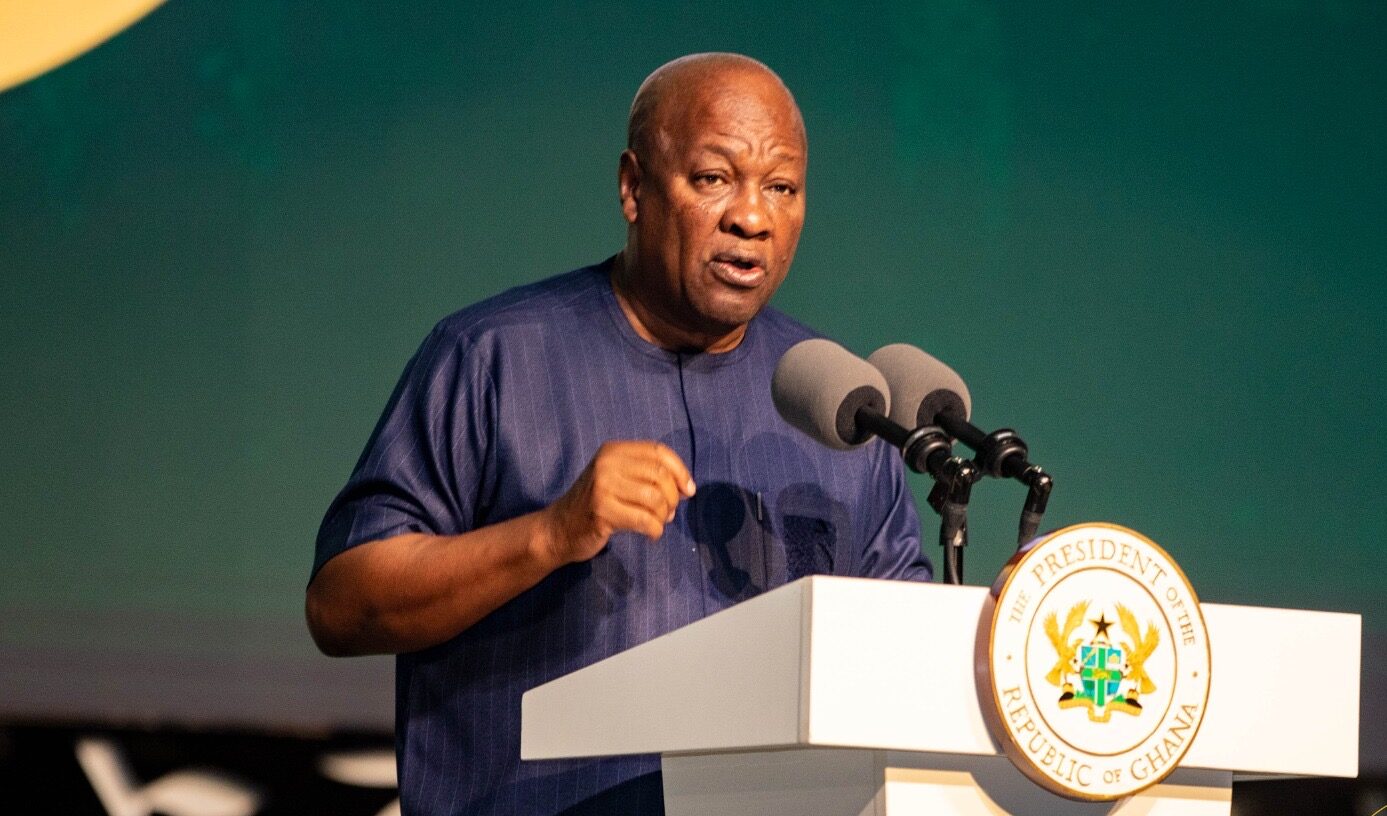
The Accra meeting featured participants including Ghanaian President John Mahama and various mining ministers from across Africa, along with representatives from the African Union and the African Development Bank. The agenda revolved around critical minerals, local refining, and state control over gold resources.
In February, President Mahama announced that Ghana aims to prohibit the export of unrefined minerals by 2030. During the forum, he highlighted the need for African nations to unify on issues such as mineral taxes and local participation. Ghana is set to assume the chair of the African Union in 2027, which will enhance its influence in advocating for collective interests among African countries.
Ghana is also taking concrete steps to enhance its own mineral processing capacity. As of July 1, large-scale gold miners, including notable companies from the US and South Africa, are required to sell 30% of their output to the Ghana Gold Board for local refining. This regulatory change comes amid a broader international trend in which China has been expanding its mining influence across Africa, having committed substantial investments in urban infrastructure and increased its military presence on the continent.
With the upcoming chairmanship of the African Union, Ghana is poised to encourage more countries to assert control over their mineral wealth. This week, Ghana’s minister for lands and natural resources announced that the cabinet approved revisions to the country’s Minerals and Mining Policy, promoting local involvement and community development.
Addressing these dynamics is crucial for Australia, which must focus on establishing strategies that foster local community relationships and sustainable development in areas where it mines. In particular, the exploitation of resources has previously contributed to instability in regions such as Mozambique and the Democratic Republic of Congo.
Furthermore, Australian companies are positioned within emerging regional partnerships. For instance, Tanzania’s mining minister noted collaborations with neighboring countries like Madagascar to bolster graphite production and processing capabilities. Australia could benefit by aligning with these national and regional policies, potentially mitigating future export restrictions.
A recent parliamentary report urges Australia to adapt its strategies, noting it should prioritize quality over scale in its mining endeavors. Highlighting the competitive landscape shaped by US and Chinese interests in African minerals, the report underlines Australia’s reputation for ethical dealings and emphasizes the community expectations for Australian mining firms to contribute to local infrastructure projects.
