




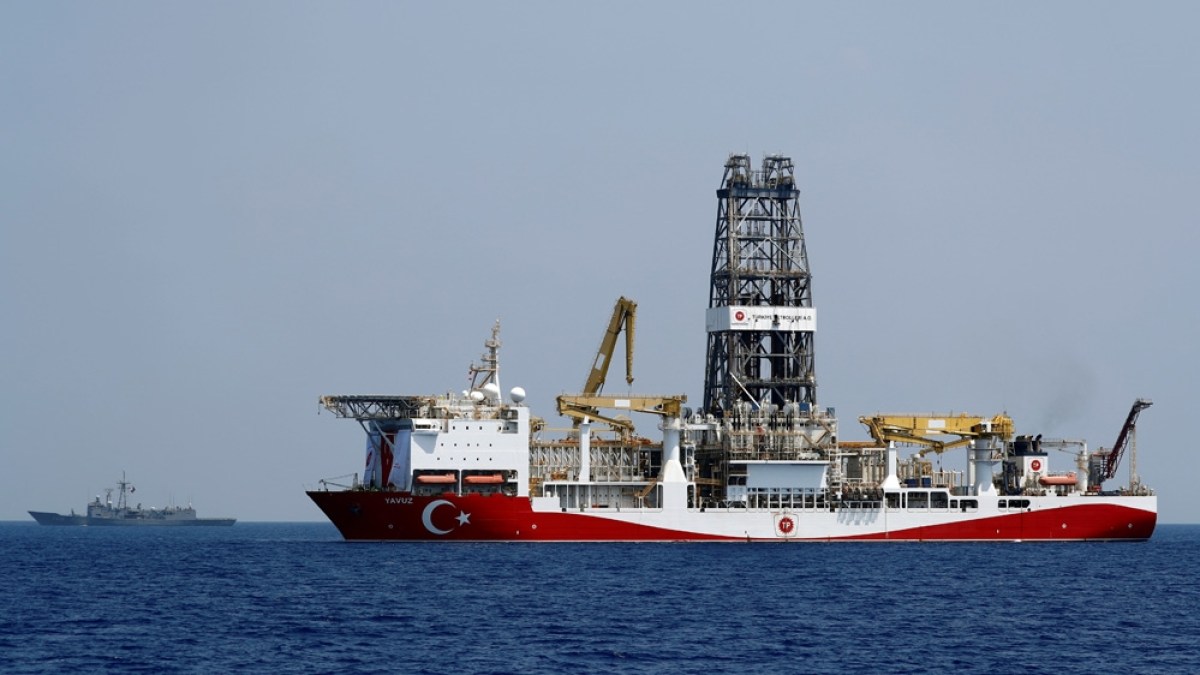
Istanbul, Turkiye – Turkiye and the leadership of eastern Libya are strengthening political and military ties, marking a significant shift in their relationship. Recent developments include Turkiye’s renewed offer to sign a maritime boundary agreement with Egypt, which was announced by the Ministry of National Defence on Wednesday. This offer suggests that Egypt could benefit from more than 15,000 square kilometers of maritime jurisdiction as compared to a previously signed agreement with Greece.
This renewed offer follows the eastern Libyan parliament’s decision on October 12 to approve a maritime agreement initially signed in 2019 between Turkiye and Libya’s internationally recognized government in Tripoli. This agreement identifies maritime jurisdiction areas in the Mediterranean Sea, despite opposition from Greece, Cyprus, and Egypt, who argue that it violates their sovereign rights. Turkiye contends that the deal is in line with international law.
A senior Turkish official indicated that eastern Libya’s leaders have begun to recognize Turkiye’s intentions, stating, “Turkiye is not there to use Libya for its own purposes.” The official emphasized that Turkiye has consistently supported the idea of a unified Libya, aiming for stability and shared benefits for all Libyans.
Historically, Turkiye intervened to repel a military offensive against Tripoli in 2019-2020 led by Khalifa Haftar, the commander of the eastern government forces. Since then, Ankara has cultivated relationships with both eastern and western factions in Libya. Turkish security personnel have maintained contacts with eastern Libyan forces even amid ongoing tensions.
Recent diplomatic efforts have also included high-level meetings. In May, Defence Minister Yasar Guler engaged with officials from both the eastern and western governments. Notably, intelligence chief Ibrahim Kalin met Saddam Haftar in Benghazi on June 23, followed by Foreign Minister Hakan Fidan’s meetings with both Khalifa and Saddam Haftar in August.
The recent parliamentary vote in Libya corresponds with a leadership change as Aguila Saleh was replaced by Al-Salhin Abdelnabi al-Obeidi, who previously chaired the Libyan-Turkish parliamentary friendship committee. Analysts, like Galip Dalay from Chatham House, view Turkiye’s improved ties as a strategic gain that complicates energy and security dynamics in the Eastern Mediterranean.
The approval of the maritime deal introduces complications for Egypt, which has historically supported the eastern leadership but opposes the newly endorsed agreement with Turkiye. Cairo has initiated discussions with Greece regarding their 2020 maritime agreement and, just days later, joined a statement at the United Nations condemning the Turkiye-Libya accord. Nonetheless, military cooperation between Turkiye and Egypt continues, with a Turkish military delegation visiting and plans for joint naval exercises scheduled for November 4 to 9.
The evolving situation illustrates the complexities of diplomatic relations in the region. While Ankara seeks to bolster its influence in Libya and maintain constructive dialogue with Egypt, it faces ongoing challenges regarding its maritime claims, particularly from Greece, which asserts that the agreement undermines its rights, including those related to Crete.
Turkiye aims to navigate these issues to foster partnerships in the Eastern Mediterranean, while acknowledging that any agreements will need to be reached with nations that still dispute its maritime positions. The Turkish official confirmed that discussions with Egypt would include these maritime disputes, stating, “We can now discuss every issue with Egypt, and we will discuss this one too.”
