




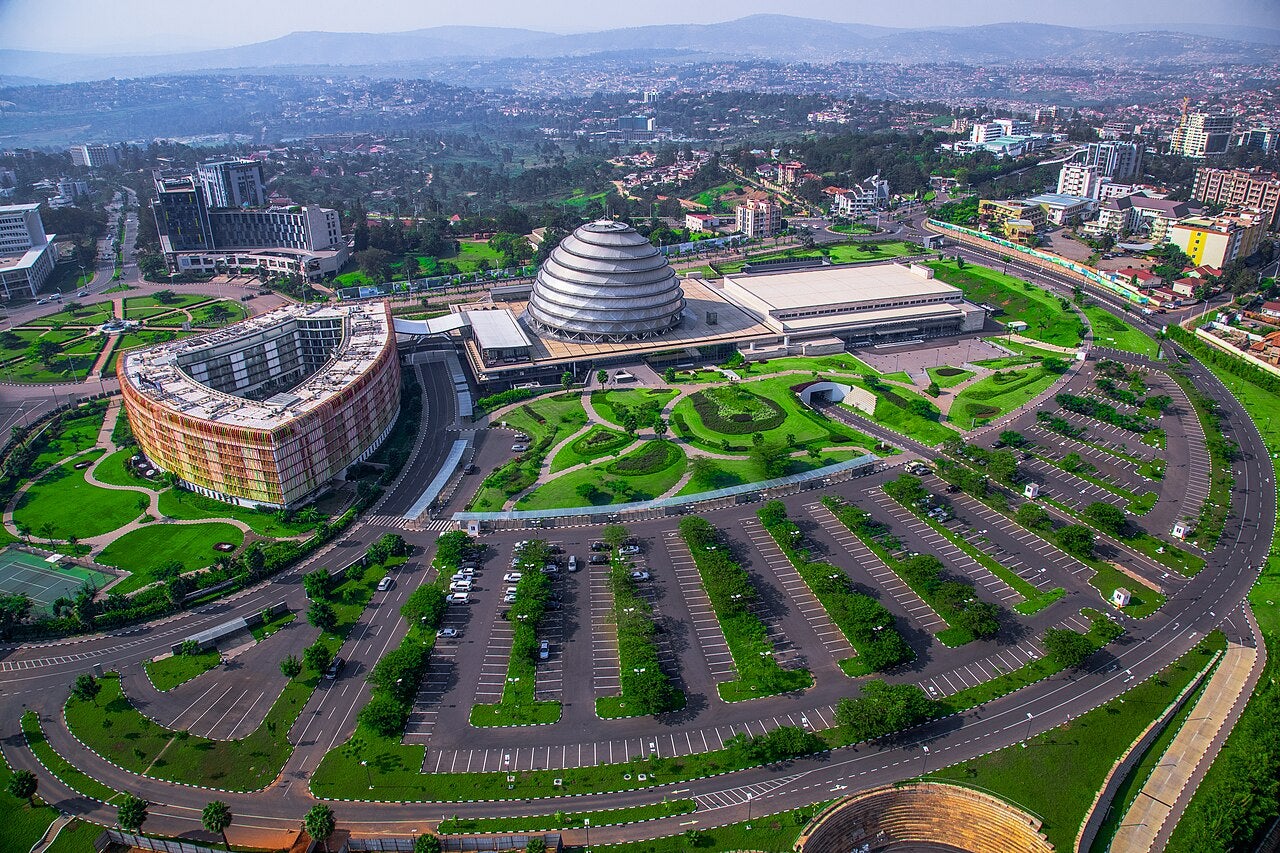
The Carbon Markets Africa Summit, held from October 13 to 15 in Kigali, Rwanda, aimed to address the urgent financial needs of African countries to meet their climate ambitions. The summit gathered governments, investors, and project developers to explore carbon market opportunities in Africa.
Opening the summit, Rwanda’s Minister for Environment, Dr. Bernadette Arakwiye, emphasized three priorities to enhance the effectiveness of carbon markets in Africa: accessible methodologies, project preparation and readiness financing, and ensuring long-term demand at fair value. The gathering included high-level discussions, investor roundtables, technical workshops, and project showcases.
According to assessments by the UNFCCC Standing Committee on Finance, developing countries face a financing challenge of between $5.1 trillion and $6.8 trillion through 2030 to implement their Nationally Determined Contributions (NDCs). This funding is crucial to turning climate ambitions into tangible actions, particularly for Africa, which despite contributing minimally to global greenhouse gas emissions, is severely impacted by climate change.
Current climatic challenges, such as droughts and flooding, threaten agriculture, energy, and livelihoods in Africa. Yet, several African nations are actively developing carbon markets. For instance, Kenya has enhanced its legal framework for investment in this area, while Ghana’s initiatives encompass sustainable practices in cooking and agriculture. Senegal has initiated programs for transitioning to electric vehicles as part of its climate strategy.
The summit served as a platform for launching two significant initiatives: the Africa Nature Impact Fund, which aims to raise $100 million for nature-based climate projects, and the Africa Carbon Investment and Finance Alliance (ACIFA), designed to mobilize capital into African carbon markets. These initiatives, supported by various stakeholders, aim to foster trustable investments that contribute to reducing emissions and protecting ecosystems.
During the event, organizations like the United Nations Development Programme and the African Development Bank played key roles in facilitating discussions, while the United Nations Environment Programme hosted a specific Nature Deal Room. Participating organizations, including Environmental Defense Fund (EDF), focused on creating partnerships around nature-based solutions, ensuring the rights of Indigenous Peoples and local communities are central to the development of carbon markets.
The Carbon Markets Africa Summit highlighted the continent’s commitment to developing viable carbon market solutions and showcased Africa’s potential in the global climate dialogue, setting the stage for influential discussions leading to COP31 in Antalya and beyond.
