




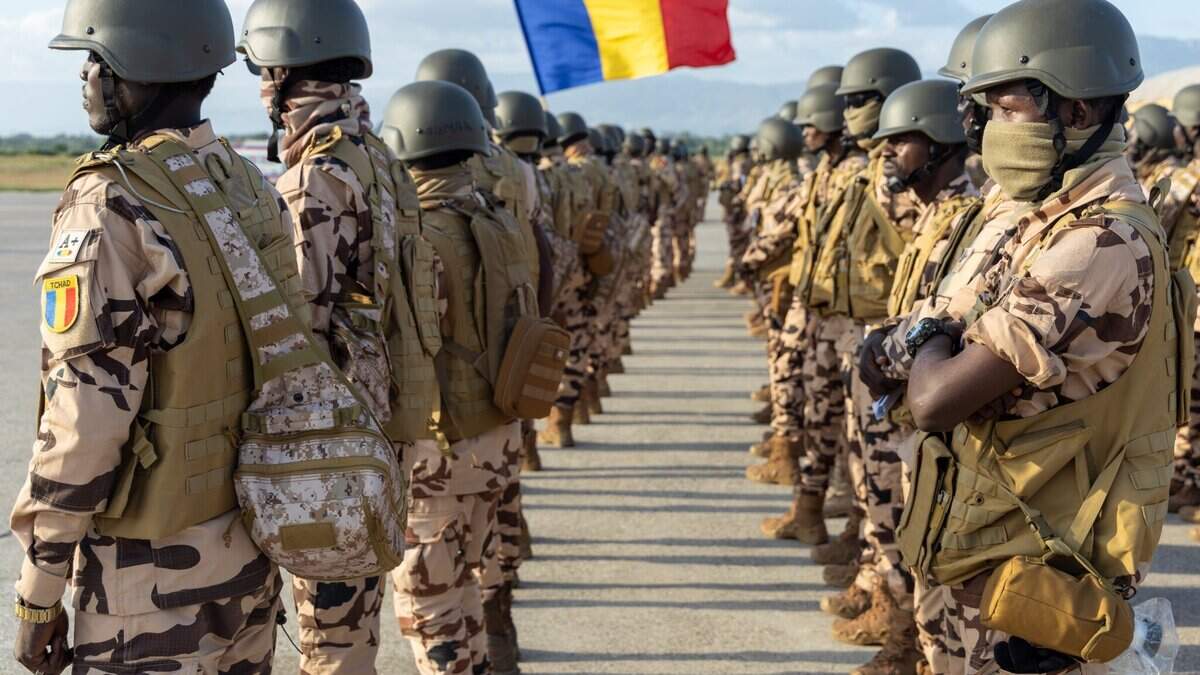
Haitian security efforts are receiving a significant boost as hundreds of additional troops from Chad arrive to join the United Nations-backed Gang Suppression Force. This deployment comes amid a critical time for Haiti, which is grappling with an escalating security crisis and preparing for its first general elections in over a decade.
Troop Deployment and Security Challenges
The new contingent of Chadian soldiers began arriving on September 18, 2026, with additional units scheduled to follow over the weekend. This latest deployment brings to 300 the total number of Chadian troops added since the mission was initiated in April. Despite the increase, the Gang Suppression Force (GSF) remains significantly understaffed, with only about 1,000 troops actually deployed from an authorized force of 5,500.
The Gang Suppression Force, established with support from the United States and authorized by the U.N. Security Council, is tasked with tackling violent gangs that have dominated large areas of Haiti, complicating efforts to conduct elections. Recent events, such as the arrest of a U.S. citizen attempting to enter the country with an assault rifle, highlight the ongoing security challenges.
Election preparations are currently hampered by administrative hurdles, including difficulties with voter registration. As of recent reports, approximately 610,000 of the 3 million registered voters had successfully completed the process, a far cry from the target. The Provisional Electoral Council has also noted that many of the 105 political parties approved to contest elections have failed to meet registration thresholds.
Haitian authorities face mounting pressure as gangs continue to disrupt security, with escalated violence leading to severe humanitarian consequences. Reports indicate that over 3,000 deaths have occurred this year due to gang-related violence, exacerbating an already critical humanitarian crisis affecting millions.
Despite the presence of international forces, deployment issues persist, including delays in troop contributions and logistical challenges in bringing necessary equipment to Haiti. External tensions have complicated supply routes, with maritime shipments impacted by ongoing conflicts in other regions. Diplomatic voices have called for increased support, emphasizing the urgency of addressing both security and humanitarian needs as the elections approach.
Humanitarian Conditions and Future Implications
The deteriorating conditions in Haiti further emphasize the need for effective governance and security. Reports indicate alarming levels of malnutrition among children, with challenges in accessing basic healthcare and nutrition resources exacerbating the situation. The humanitarian response has been severely underfunded, with less than 20% of the required financing received so far.
As the U.N. General Assembly convenes, the renewal of the GSF’s mandate and the emerging electoral landscape will be critical topics of discussion. Both issues are intricately tied to the future stability of Haiti, as local authorities and international stakeholders work to forge a path forward amidst deepening crises.
Why It Matters
The situation in Haiti is of global concern, as instability can have widespread impacts on regional security and humanitarian efforts. The deployment of additional troops is a step towards addressing rising violence and facilitating the electoral process, which is essential for restoring democratic governance. The ongoing challenges, however, highlight the complexities involved in stabilizing the country and ensuring the safety and well-being of its citizens.
