




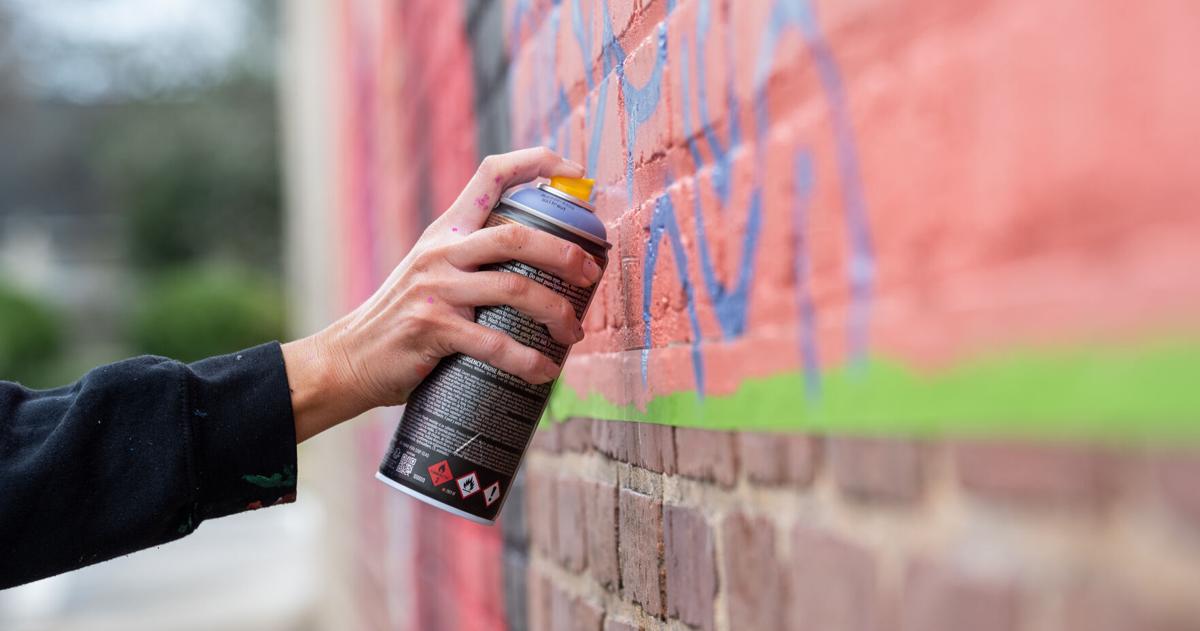
Charleston officials are looking to enhance the city’s public art scene, emphasizing its role as a vital community resource. Allison Amory, co-founder of Girls Who Paint Murals, highlighted the accessibility of public art, stating, “Murals and public art are the most accessible form of art. You don’t have to have a background in art. You don’t have to have money to access them.” According to Amory, these artistic expressions can be enjoyed by everyone, free of charge.
Muralists Riivo Kruuk and Patch Whisky echoed Amory’s sentiments, explaining that public art engages everyone in the community. “Anyone walking down the street has access to the art; all eyes are on the piece, and it’s not hidden away inside a building,” Whisky remarked. This visibility not only enriches the community but also attracts attention to cities and local businesses.
Kruuk noted that vibrant, eye-catching murals on business facades often draw in customers, making a strong case for integrating art into urban environments. The Wynwood neighborhood in Miami serves as a notable example of this phenomenon. Once a struggling area filled with empty warehouses, Wynwood transformed into a vibrant arts district in the late 20th century, primarily due to the efforts of real estate developer Tony Goldman. In 2009, Goldman initiated the Wynwood Walls project, which turned blank building walls into colorful art pieces, attracting both visitors and entrepreneurs from around the world.
Efforts to promote similar initiatives are underway in North Charleston, where Amory co-founded the MELT Festival in 2025. This festival celebrates and raises awareness about public art within the community. The inaugural event featured the installation of seven murals on the walls of businesses on Reynolds Avenue. “We aim to replicate the vibrancy seen in places like Wynwood on a smaller scale,” Amory explained.
Charleston’s dedication to expanding public art not only enhances the visual landscape but is also seen as a strategy to stimulate local economies and foster a sense of community pride.
