




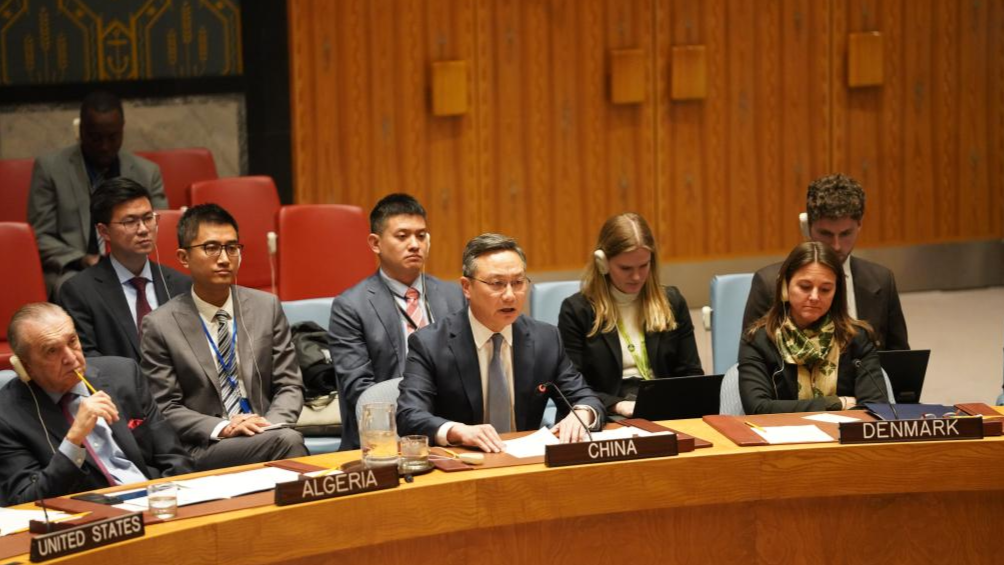
China has called for an immediate ceasefire in eastern Democratic Republic of the Congo (DRC) and emphasized the need for enhanced African-led mediation efforts. This statement was made during a UN Security Council briefing on the Great Lakes region, where officials raised concerns about the gap between diplomatic commitments and the realities on the ground despite recent peace initiatives.
Sun Lei, China’s deputy permanent representative to the United Nations, highlighted the necessity of regional cooperation in addressing the longstanding conflicts. “A lasting solution to the challenges facing the Great Lakes region requires solidarity and cooperation among regional countries, as well as a greater role for regional initiatives,” he stated.
Sun supported the African Union’s recent mediation efforts for the eastern DRC, which include a mediation roadmap and field visits, and urged for increased backing from international partners. He cited the importance of the international community aiding the African Union in facilitating de-escalation and political dialogue while respecting its central role in the peace process.
During the briefing, UN Special Envoy for the Great Lakes Region Xia Huang reported “notable progress” in recent peace efforts, such as the Washington and Doha processes. However, he noted that both the security and humanitarian conditions in eastern DRC continue to decline. “A genuine ceasefire remains elusive,” Xia said, adding that ongoing violence and the use of armed drones in civilians-dense areas are exacerbating the suffering of the populace.
Xia also mentioned heightened tensions between the DRC and Rwanda, along with mistrust between Burundi and Rwanda, which are undermining efforts for regional peace. In light of the escalating humanitarian crisis, Sun urged for greater international assistance to meet increasing needs, especially as the conflict complicates efforts to contain the ongoing Ebola outbreak.
“The international community should coordinate humanitarian relief and epidemic prevention efforts, ensure humanitarian access, and protect the safety of humanitarian and medical personnel,” Sun advised.
Since the onset of the Ebola crisis, China has provided various emergency financial aid and medical supplies to the DRC, Uganda, and the African Union, along with dispatching medical expert teams to assist in the region. Sun called for a boost in international financial and technical assistance to help alleviate the epidemic’s effects and restore normalcy.
He further addressed the root causes of instability, attributing them to historical grievances, ethnic tensions, development deficits, and the illegal exploitation of mineral resources. Emphasizing the need for regional economic cooperation, Sun encouraged international support for regional countries to transform their natural resource advantage into development drivers.
In a demonstration of support, China and the United Nations previously collaborated on a training program focused on controlling small arms and light weapons in the Great Lakes region, aiming to reduce illegal weapon proliferation. Sun affirmed China’s dedication to fostering peace and development in the area, pledging continued cooperation with all nations to achieve lasting stability and prosperity.
