




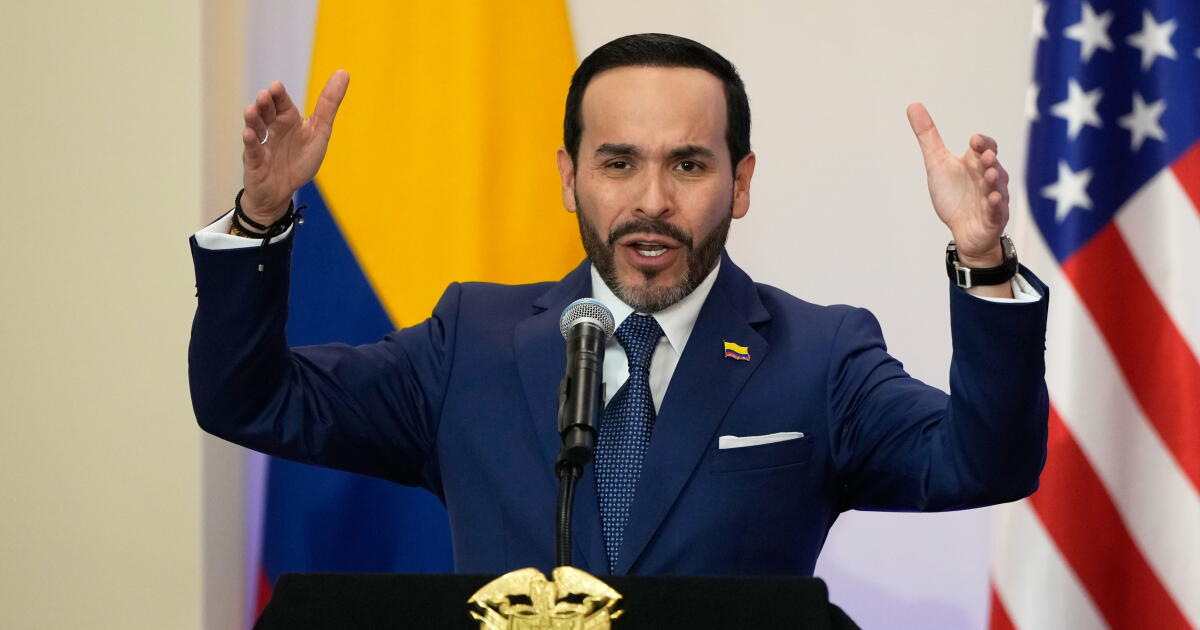
BOGOTÁ, Colombia — Colombian President Abelardo de la Espriella announced on Tuesday that his administration would provide legal assistance to a group of Colombian military veterans extradited from Haiti to Florida in connection with the 2021 assassination of Haitian President Jovenel Moïse. These veterans had been arrested in Haiti after a prolonged period of legal ambiguity surrounding their case.
In a message posted on X, De la Espriella stated that his government would offer economic support to the families of the 17 suspects, who are scheduled to face trial in Florida. Furthermore, he directed Colombia’s ministries of justice and defense to assist with their legal representation.
“The innocent cannot pay for crimes committed by sinners,” De la Espriella wrote, expressing a desire for clarity regarding the events that transpired. “I want to know exactly what happened and for the responsibility of each individual to be cleared up.”
At least 22 veterans, employed by a Florida security contractor, are believed to have participated in the raid on Moïse’s residence, which ultimately led to his assassination in July 2021. During the incident, three Colombians were killed, while the remaining 17 were apprehended in Haiti. Another Colombian veteran, Mario Antonio Palacios, initially escaped but was later extradited to Florida, where he received a life sentence for conspiracy to murder and kidnapping.
In May, a total of four defendants, including a Venezuelan American and a Haitian-American citizen, were convicted of financing and organizing the assassination. Moïse’s murder has been linked to ongoing political instability and escalating gang violence in Haiti.
The 17 Colombians are among 30 individuals facing federal charges in the U.S. related to the assassination plot, which authorities claim was orchestrated from South Florida.
During court hearings in Haiti, some Colombian suspects alleged that they were misled by recruiters, who promised them jobs providing security for politicians. They have also reported mistreatment in Haitian prisons, claiming they were coerced into signing documents in a language they did not comprehend.
Milena Carmona, the wife of suspect Jheyner Carmona, expressed relief at the Colombian government’s support, saying, “I am absolutely happy that someone finally listens to us.” She added that they possess evidence suggesting the veterans were used as scapegoats for the assassination.
De la Espriella, who took office in August, has been vocal in his support for Colombia’s armed forces. His recent statements signify a departure from the stance of former President Gustavo Petro, who apologized to the Haitian government for the involvement of Colombian veterans in the assassination. “I ask for forgiveness, because some white Colombians came here to kill the president of Haiti,” Petro stated during an earlier visit to Haiti.
As the case progresses, the situation surrounding the Colombian veterans remains under close observation, with their legal proceedings expected to unfold in the coming months.
