




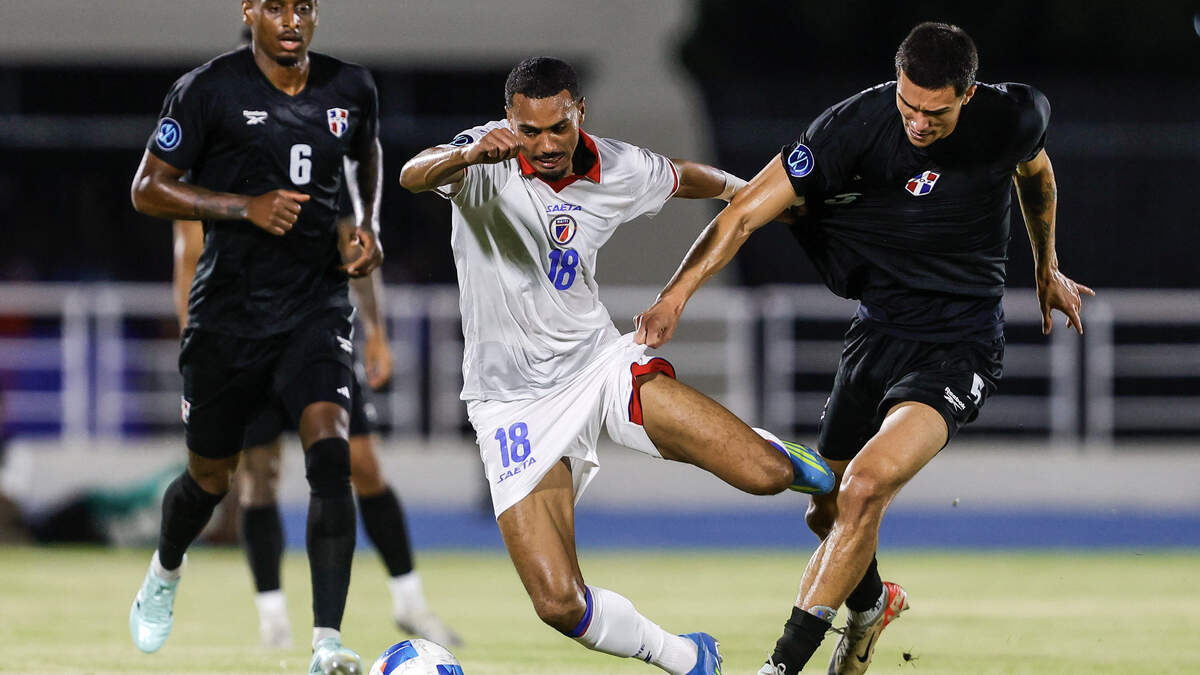
A Concacaf Nations League match in Santo Domingo between the Dominican Republic and Haiti has sparked renewed tensions between the two nations, which share the island of Hispaniola. After Haiti defeated the Dominican Republic 4-1 on October 1, 2026, Haitian striker Wilson Isidor made controversial remarks, shouting “Hispaniola, c’est Haiti” and “This is Haiti,” while pointing to the Haitian flag on his jersey.
The comments stirred historical sensitivities, as the Dominican Republic has a complex relationship with Haiti, rooted in a history of occupation and efforts to assert national identity. The Dominican Republic celebrates its independence from Haiti on February 27, 1844, marking the beginning of its separate national identity.
Following Isidor’s remarks, Dominican authorities called for an apology, and nationalists decried his comments as disrespectful and a breach of Dominican sovereignty. Haiti’s foreign ministry issued a statement distancing itself from the player’s comments.
The decision to hold the match in Santo Domingo was made by the Confederation of North, Central America and Caribbean Association Football (Concacaf), as Haiti has been unable to host international games at home due to security concerns in Port-au-Prince. Haiti’s national team, known as the Grenadiers, has been playing matches abroad, including in Jamaica.
Haitian Football Federation spokesman Thecieux Jeanty emphasized that the choice to compete in the Dominican Republic was not made by the Haitian federation. The match drew about 23,000 fans, with approximately 5,000 being Dominican supporters, while the vast majority were Haitian, many traveling from distant locations to attend.
Jeanty acknowledged the importance of the match, stating it was critical for Haiti’s hopes of advancing in the tournament. Despite their loss to Costa Rica days later, Haiti advanced to the quarterfinals, where they are set to face the United States Men’s National Soccer Team next month.
In response to the controversy, Haiti’s Football Federation defended Isidor’s right to express his identity while urging that rivalry in sports should not escalate into political conflict. They characterized his celebration as a sporting gesture rather than an affront to the Dominican Republic.
Contrarily, reactions in the Dominican Republic have been hostile, with nationalists describing Isidor’s statements as an attack on their sovereignty. The Dominican Republic Soccer Federation filed an official complaint with Concacaf and FIFA, seeking disciplinary action against the player. Dominican Sports Minister Kevin Cruz indicated that Haiti would be prohibited from using Dominican sports facilities in the future.
Amid the uproar, Cruz also addressed incidents at the stadium where fans reportedly attempted to force their way in, leading to the use of tear gas by security forces. Some Haitian attendees argued that the Dominican organizers were unprepared for the influx of spectators.
The historic context heightened the incident’s severity, as the match occurred just before the 89th anniversary of the Parsley Massacre, a brutal event that saw thousands of Haitians and Black Dominicans killed under the orders of Dominican dictator Rafael Trujillo.
Haiti’s government distanced itself from Isidor’s comments, stating that his views do not reflect official positions. While some advocates suggest that this controversy highlights the ongoing challenges of Dominican-Haitian relations, others see it as a potential catalyst for dialogue and mutual respect through sport.
As both nations navigate the fallout, the match has sparked discussions about the responsibilities of players and the impact of national pride on sporting events.
