




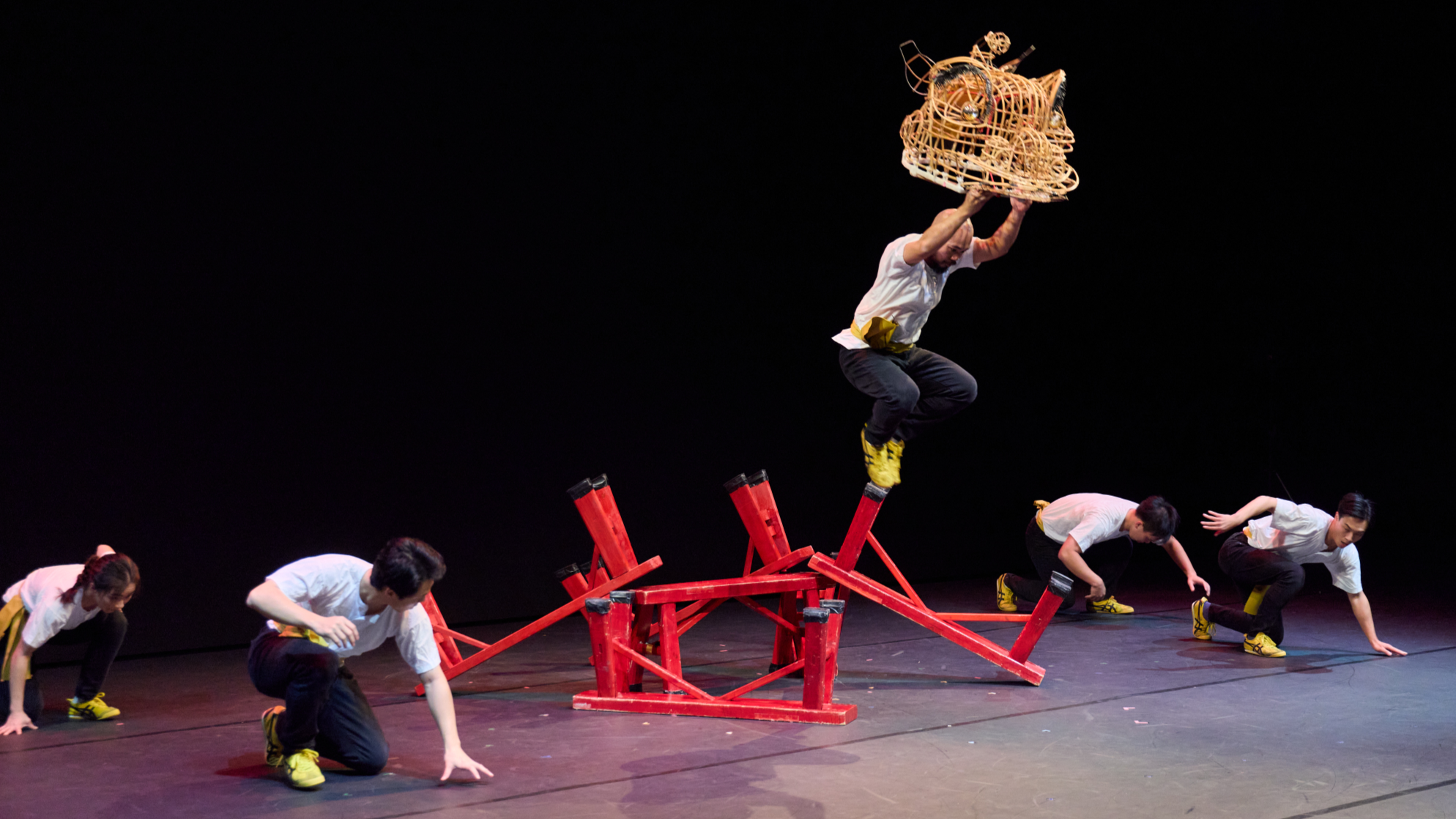
The Association of Asia Pacific Performing Arts Centres (AAPPAC) Annual Conference commenced at Freespace in the West Kowloon Cultural District on Wednesday, featuring a modern reinterpretation of traditional Chinese folk dances to commemorate the region’s cultural heritage.
This year marks the 30th anniversary of AAPPAC, which is the largest network of arts centers and organizations throughout the Asia-Pacific area. The conference will run for four days, concluding on Friday and has attracted over 350 cultural leaders from nearly 70 cities.
The opening performance, No Dragon, No Lion, by Hong Kong’s TS Crew, innovatively combines elements of lion dancing with traditional and contemporary movement styles, including kung fu, parkour, breakdance, and Cantonese Opera. The act replaces traditional drumming with live beatboxing and Vivaldi’s “Spring” concerto, offering what Yvonne Tham, chairperson of the AAPPAC executive committee, describes as the “messiness” of cultural diversity.
Tham emphasized the importance of diverse perspectives at the conference, stating that hearing each other’s voices is vital for fostering collaboration and sharing resources across different cultures and cities.
After a 20-year hiatus, AAPPAC has returned to Hong Kong to coincide with a pivotal moment for the cultural district. Betty Fung Ching Suk-yee, CEO of the West Kowloon Cultural District Authority and deputy chair of AAPPAC, highlighted the significance of this event in her opening remarks. She noted the alignment of the district’s mission with Hong Kong’s aspirations to be a hub for international cultural exchanges.
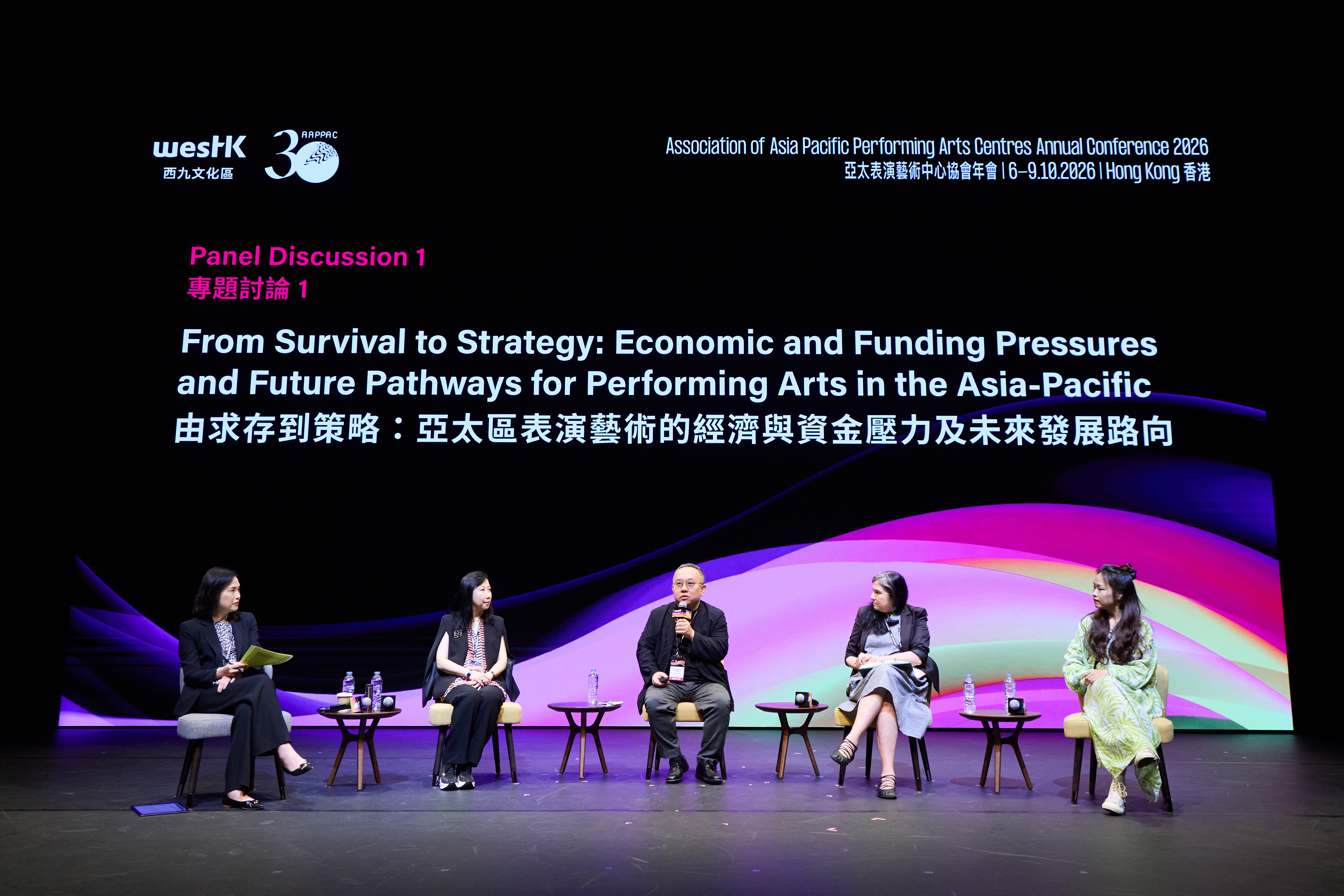
Fung also reported that WestK has established 50 memorandums of understanding with top international performing arts centers. As the WestK Performing Arts Centre nears completion, it is poised to become a platform for worldwide collaboration in the arts.
In the neighboring city of Shenzhen, cultural infrastructure is similarly expanding. The new Shenzhen Opera House, designed by Ateliers Jean Nouvel, is set to open in 2029. According to Ding Zhongyuan, deputy director general of the Shenzhen Municipal Bureau of Culture, there is a focus on creating programs that cater to public interest and foster engagement from the Greater Bay Area community.
Discussion at the conference also touched on challenges facing the arts sector, including funding cuts and the potential impact of artificial intelligence. New-media artist Keith Lam expressed hope that AAPPAC can help connect varied professionals, such as engineers and artists, to collaborate without predefined agendas.
Brenna Hobson, director of programming at the Sydney Opera House, shared a more optimistic view of AI’s role, suggesting it may allow artists to focus more on creative thinking rather than routine tasks. She expressed excitement about engaging with new works presented at AAPPAC, considering possibilities for future collaborations.
