




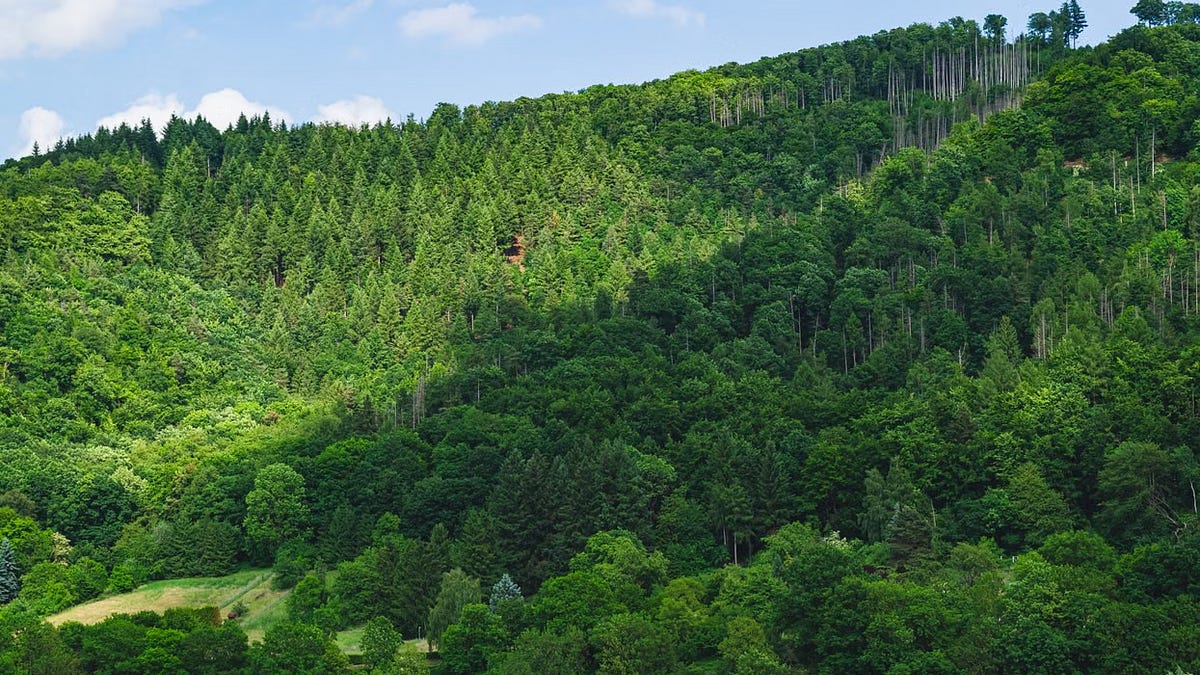
Southeast Asia, which houses nearly 15% of the world’s tropical forests and four of its 25 most significant biodiversity regions, continues to be a major hub of deforestation. This trend is alarming given the forests’ crucial roles in sustaining wildlife, shaping strategies during conflicts, and supporting community well-being.
Between 1990 and 2020, the region lost more forested area than the total landmass of Germany, with over half of this loss occurring in Indonesia. A report from Greenpeace highlighted Indonesia as a leading contributor, with an estimated 30.8 million hectares of forest cleared from 2001 to 2023. Agricultural expansion, particularly the growth of oil palm plantations, along with logging activities, are significant pressures driving deforestation.
The value of these forests extends far beyond timber and land use. They are vital for the health and resilience of Southeast Asia, providing environmental services that contribute to community stability. Historical military strategies, such as those employed during the Vietnam War, underscored the strategic importance of forests. They offered cover and routes for movement, significantly affecting troop movement and engagement tactics.
In addition to upland forests, the region’s extensive tropical peatlands, found mainly in Indonesia and Malaysia, play a key role in global carbon storage, holding approximately 30% of the world’s soil carbon despite covering only about 3% of the Earth’s land surface. Healthy peatlands absorb and retain large amounts of water, supporting local ecosystems, regulating water flows, and reducing flood risks. However, when drained or degraded, they can release significant amounts of stored carbon and become more susceptible to fires, generating haze that can affect air quality across borders.
Coastal mangrove forests are equally crucial for protecting coastal communities. Their root systems act as natural barriers against storms, reducing erosion and serving as nurseries for marine life. Mangrove degradation not only threatens local fisheries but also diminishes the coastal protection these ecosystems provide.
Forests in mountainous areas further help in regulating water flow and reducing soil erosion, which in turn affects agriculture and communities downstream. As forests are cleared, the increased sedimentation in waterways can degrade water quality and harm aquatic habitats.
The unique biodiversity of Southeast Asia, including species found nowhere else such as orangutans and proboscis monkeys, is at severe risk due to habitat destruction. Indigenous and local communities rely on forests for food, income, and cultural practices. Loss of these natural resources could severely alter their ways of life.
In Indonesia, for example, Dayak communities gather wild fruits and medicinal plants, while Hmong, Khmu, and Tai Deng communities in Laos depend on bamboo forests. The depletion of such resources endangers not only ecological balance but also the cultural heritage tied to these forests.
Currently, Indonesia faces intense challenges from forest and land fires exacerbated by prolonged dry seasons linked to El Niño. These fires threaten to worsen air quality and public health issues across Southeast Asia, impacting neighboring countries like Malaysia, Singapore, and the Philippines. Efforts to counteract these fires are critical, as their effects can easily transcend national boundaries.
Preserving Southeast Asia’s forests is essential for maintaining their ecological functions and the services they provide to humanity. Efforts must be made to halt destructive practices that prioritize short-term gains over sustainability, as restoring these irreplaceable ecosystems is vital for the future of both the environment and local communities.
