




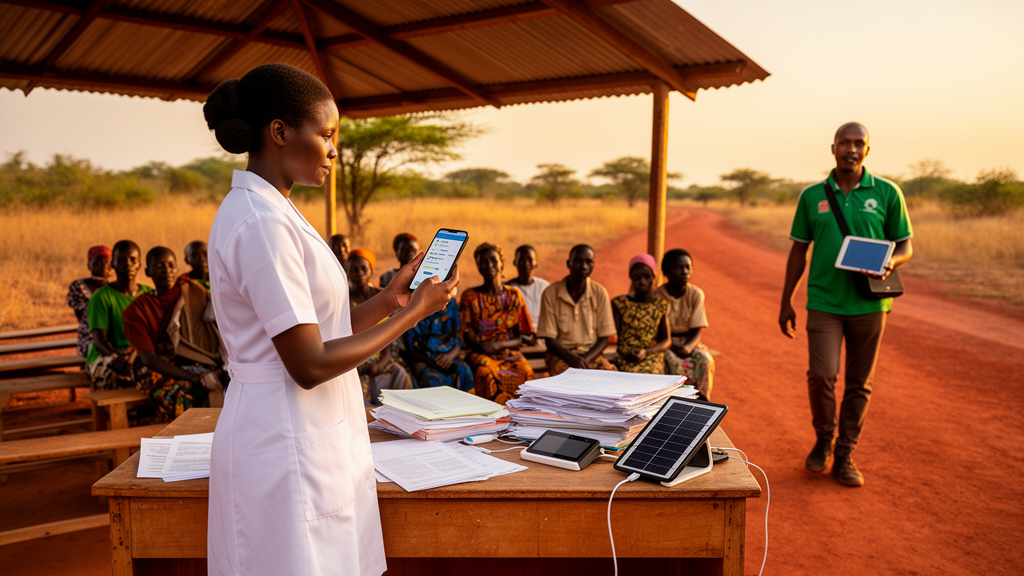
A systematic review published in BMC Digital Health highlights that the effectiveness of digital health technologies in rural Sub-Saharan Africa is heavily influenced by the preparedness of existing health systems rather than the technology itself. The study examined 35 research projects conducted across 18 countries between 2015 and 2025, focusing on the implementation of various digital tools in rural primary health care and identifying the benefits and challenges related to sustainable adoption.
Led by researchers Sharon R. T. Chilunjika and Patrick Ngulube, the review utilized the PRISMA 2020 reporting guidelines and scrutinized databases such as PubMed, Scopus, and Google Scholar for relevant publications. Of the initial 967 records screened, 35 studies met the eligibility criteria after a thorough quality assessment. The authors acknowledge that their protocol was not prospectively registered and that focusing solely on English-language, peer-reviewed publications may have introduced potential biases.
Mobile health, or m-health, was identified as the most commonly implemented technology, appearing in 16 of the reviewed studies. The district health information system DHIS2 was mentioned in five studies, while electronic health records (EHRs) and artificial intelligence applications each featured in four. Telemedicine, despite being an early digital health modality, was the least represented, with only three studies reporting its use in Cameroon and South Africa. These patterns suggest that health system readiness, rather than technological novelty, is crucial for effective implementation.
When successfully implemented, these digital health interventions showed significant benefits. For example, mobile-based tools enhanced communication between patients and providers, improved treatment adherence, and increased attendance for maternal and child health services. Studies reported notable improvements in HIV treatment outcomes, with SMS reminder systems boosting childhood immunization rates by approximately 25 to 35 percent in rural Ghana. Telemedicine also facilitated access to specialist care in remote areas, improving diagnostic capabilities and disease management.
However, the review drew attention to three main issues impacting implementation. First, the readiness of health systems varied widely; simpler technologies like m-health thrived, while EHRs and AI were limited to better-resourced environments. The authors caution that this creates an unequal landscape, potentially leaving the most vulnerable populations without access to advanced health innovations.
Second, the review noted a persistent gap between successful project pilots and sustainable, large-scale implementation. Many initiatives were small-scale efforts without institutional support, emphasizing the need for long-term funding and integration into national health systems. The recent suspension of programs in Burkina Faso due to budget cuts exemplifies this challenge.
Finally, the review found that various barriers to implementation are interconnected. Issues such as unreliable internet and electricity, financial constraints, limited digital literacy, and weak governance frameworks significantly hindered the integration of digital health solutions. Without addressing these infrastructure gaps, the potential of digital health technologies may remain underutilized.
The study also pointed out that benefits were often not equitably distributed. Greater positive outcomes were observed among populations with reliable mobile access and digital literacy, leaving poorer households and marginalized groups at a disadvantage. The authors describe this as a second-level digital divide, underscoring the necessity for targeted strategies that consider who benefits from these technologies.
While the review identified important capabilities of digital health, it also highlighted gaps in the evidence base, particularly concerning long-term sustainability and cost-effectiveness. Moving forward, the authors suggest coordinated investments in digital infrastructure and workforce training to ensure that digital health technologies can truly enhance health care in rural Sub-Saharan Africa.
