




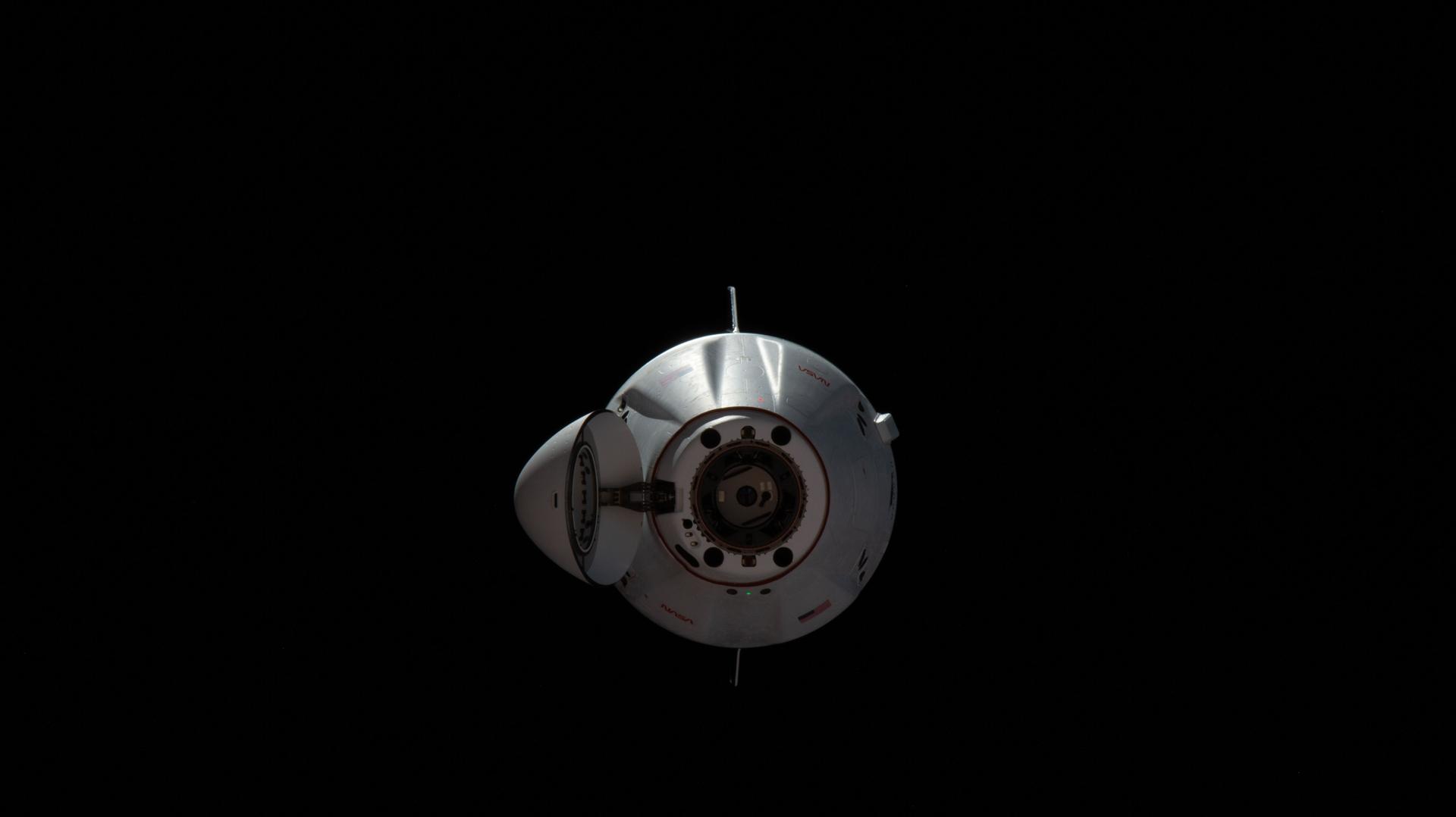
At 2:03 p.m. PST on November 21, the uncrewed SpaceX Dragon spacecraft successfully splashed down in the Pacific Ocean, close to Los Angeles. This event marked the conclusion of NASA’s 35th SpaceX commercial resupply services mission to the International Space Station (ISS).
The Dragon spacecraft undocked from the ISS at 11:05 a.m. CST on November 20, carrying back samples crucial for advancing both space exploration and life on Earth. Among the returned items was a 3D-bioprinted blood vessel construct, designed to study vascular aging and cardiovascular disease effects in microgravity. Additionally, frozen tumor organoids returned from the station may aid researchers in enhancing cancer treatments and advancing personalized medicine.
Scientists are also set to analyze microbial samples collected during the mission to understand how antibiotic-resistant bacteria adapt and evolve in space environments. Furthermore, a special lighting system that had been aboard the ISS for over three years returned with the Dragon. Researchers had tested this system’s potential to improve astronauts’ sleep and well-being during extended missions.
The Dragon spacecraft initially arrived at the ISS on October 15, following its launch on October 13 atop a Falcon 9 rocket from Space Launch Complex 40 at Cape Canaveral Space Force Station in Florida.
NASA continues to share updates on activities aboard the International Space Station through various platforms, including the space station blog and social media.
