




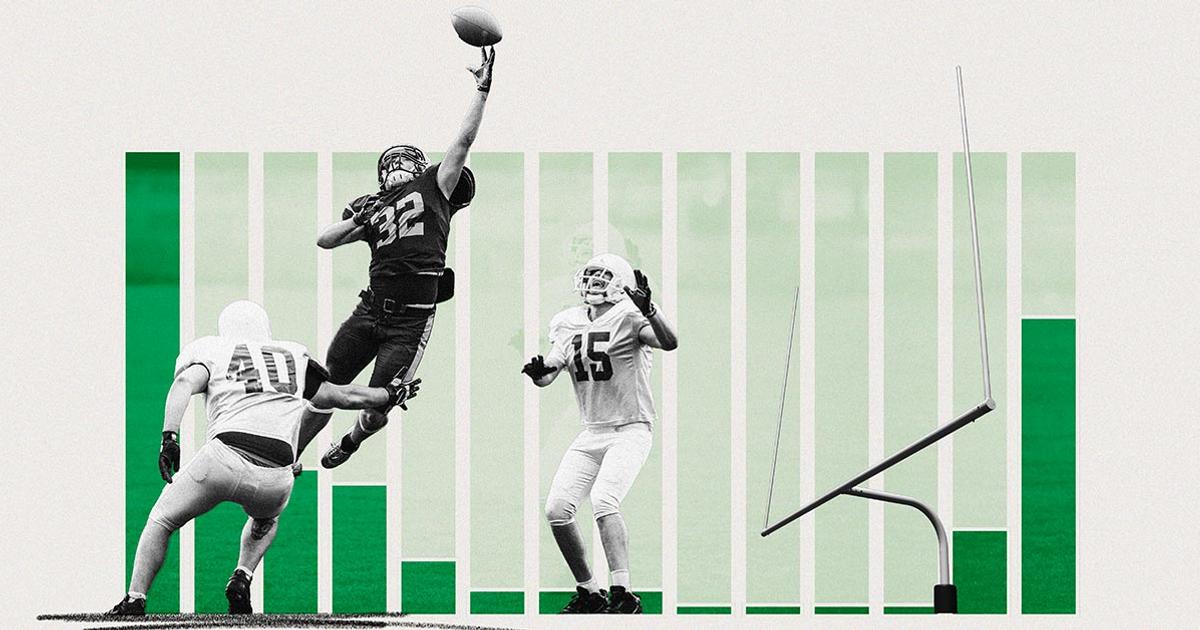
Football remains the most popular sport in the United States, with 31% of Americans identifying it as their favorite to watch—the lowest percentage since 2001. Soccer has experienced a notable rise, with 9% of Americans naming it as their top choice, the highest recorded figure to date, nearly equaling basketball at 11% and baseball at 10%.
Football Retains Its Dominance
Gallup has tracked Americans’ favorite sports since 1937, initially finding baseball at the top of the list. Football surpassed baseball in 1972 and has since consistently been the leading sport across 23 separate surveys. The percentage of Americans favoring football has ranged from a low of 28% to a peak of 43% during prime seasons in recent years, although current figures are below the historical average during non-seasonal polling.
The latest survey, conducted between August 3 and August 24, shows that 20% of Americans report not having a favorite sport—a percentage that also represents a peak in Gallup’s historical trends.
In the context of sports popularity, the percentage of soccer fans has risen alongside a decline in those favoring baseball. The recent 9% figure is a significant uptick, considering soccer registered below 2% in past decades. This increase coincides with the excitement surrounding the recent hosting of the World Cup by the U.S., Canada, and Mexico.
While basketball has also seen incremental growth, from averaging 9% between 1937 and 1981 to an average of 13% in more recent decades, soccer’s surge suggests a shifting landscape in American sports preferences.
Demographic trends reveal distinctions in sports preferences across age groups. Football holds appeal for nearly all demographics, but younger adults (ages 18 to 34) are less inclined to choose it as their favorite, with only 20% doing so. Comparatively, 30% of individuals aged 35 to 54 and 38% of those 55 and older indicated a preference for football. Notably, 23% of younger adults reported having no favorite sport.
Racial and income disparities also influence sport preferences. White adults are more likely to favor football, while Black and Hispanic Americans are more prone to identify basketball and soccer, respectively. Income levels further affect preferences, with wealthier individuals showing a higher tendency to favor football and lower-income demographics leaning towards soccer.
Why It Matters
The evolving sports landscape in the U.S. raises questions about the sustainability of football’s popularity and whether soccer can maintain its increasing foothold following the World Cup excitement. Understanding these trends is crucial for sports organizations, advertisers, and media companies looking to engage audiences in a competitive environment.
