




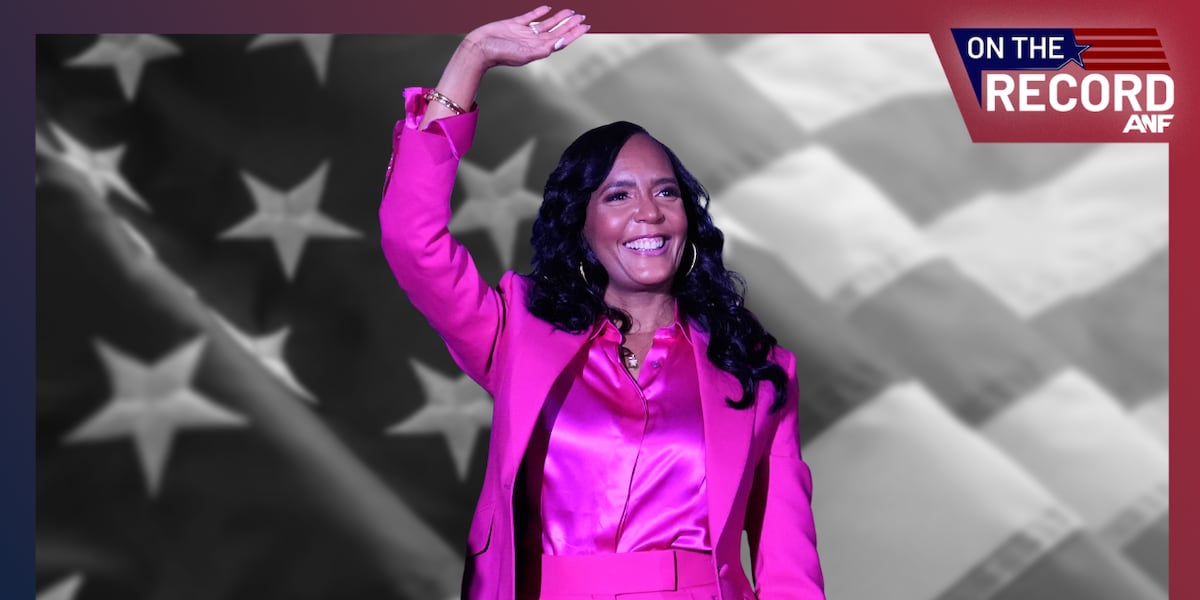
ATLANTA, Ga. — Georgia’s political landscape experienced a major transformation on Election Day, with former Atlanta Mayor Keisha Lance Bottoms defeating Republican Rick Jackson to become the state’s next governor. Bottoms’ victory marks a historic milestone as she becomes the first Black female governor in the nation.
Bottoms’ win was part of a wider Democratic sweep across Georgia, as the party secured all statewide constitutional offices. Notably, Black women played a crucial role in this success, winning key positions including lieutenant governor, secretary of state, state school superintendent, and agriculture commissioner.
On the federal level, Democratic U.S. Senator Jon Ossoff successfully defended his seat against Republican Congressman Mike Collins in one of the most competitive races of the election cycle, ensuring that Georgia’s Senate seat remains in Democratic hands.
While the executive branch has turned solidly blue, Georgia’s state legislature will feature a divided government. Democrats have achieved a historic upset by flipping the Georgia House of Representatives, ending decades of Republican control in that chamber. However, Republicans retained their majority in the Georgia Senate, creating a split power dynamic.
This division in government will require negotiations between the newly elected Democratic governor and House majority and the established Republican Senate, particularly on budget matters, education funding, healthcare policies, and tax legislation.
Outgoing Governor Brian Kemp has taken steps to quell any potential political tensions following the election. He congratulated Bottoms on her groundbreaking victory and dismissed calls from some party members to hold a special legislative session on redistricting before the new administration begins.
As Georgia continues to be a focal point of national political interest, the upcoming sessions will likely be pivotal in shaping the state’s policies moving forward.
